
Singapore Energy Summit
| Organiser | Energy Market Authority |
| Date | 28 Oct 2013 |
| Venue | Sands Expo and Convention Centre, MBS Singapore |
URL www.ema.gov.sg
The Singapore Energy Summit is a high-level dialogue that brings together ministers, policymakers and business leaders to discuss global energy trends and solutions needed for the energy sector. Emphasis is given to interactive discussions and audience participation, with a real-time interactive Q&A platform where delegates can submit questions directly to panellists from their smart phones.

Click here to view full speech
Asian countries have access to rich fossil fuel resources and possess huge potential for renewable energy sources. However, the distributions of fossil fuel resources remain uneven, while renewables are underutilised due to the lack of technology and investment. Ensuring we unlock the potential of these resources is key to meeting Asia's growing energy demand. As such, improving the availability and access to investments for infrastructure improvements, technological advancements and regional connectivity are vital. These efforts can be augmented by policies aimed at reducing energy consumption, promoting energy efficiency and incentives to develop renewable energy sources. This session will examine Asia's energy outlook and how collaboratively we can work towards a sustainable energy future for the region.
Speakers:

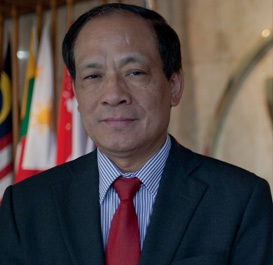

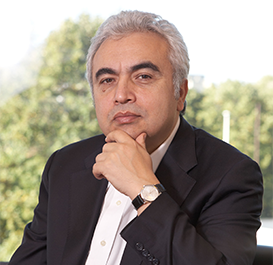


Natural gas has the potential to underpin economic growth, manage environmental concerns and enhance energy security. Recent developments in the sector could potentially unlock vast unconventional gas reserves, transforming both the dynamics of world supply and hold the key to meeting the world's energy demand. But there are regulatory obstacles and environmental challenges in extracting unconventional gas that need solutions. Pricing must eventually be linked to demand and supply realities to make the economics work. The development of a gas hub in Asia seems to be on the horizon – How soon will that happen and how will energy prices in Asia be affected? This session examines the key drivers and assesses necessary developments in market architecture to ensure gas fulfils its potential as a fuel of the future for Asia.
Speakers:




Energy is needed to power economic growth. Therefore, even with increased oil and gas production energy security remains a prime concern. The race for supplies has altered energy policies worldwide and impacted resource geopolitics. Increasingly, we see the scramble for cross border supplies as nations secure energy sources internationally. Producers are shifting focus from traditional markets and pivoting towards Asia for their energy exports. This puts Asia at the centre of dynamic shifts in the global energy map. Against this backdrop, this session will examine how the drive for energy security is impacting resource geopolitics.



New and previously unexpected discoveries of oil and gas resources have served to further emphasise the importance of fossil fuels in our energy mix. As these new supplies further mediate prices, fossil fuels will remain viable options to meet demand. Price competitiveness of coal continues to make it a critical energy source for developing economies. The prospect of lower priced fossil fuels challenges the viability of alternative energy sources. The global financial crisis has underlined the need for financial prudence leading to a greater emphasis on the need for affordable energy and subsequently a re-evaluation of alternatives. The "age of austerity" will impact unsustainable subsidies and prompt realistic targets for gradual deployment of renewables to play a larger part in the global fuel mix. While some countries have put it back on the agenda, nuclear remains contentious. This session will examine the impact of the continued dominance of fossil fuels on policy, the future energy mix and alternative sources of energy such as renewables and nuclear.
Speakers:



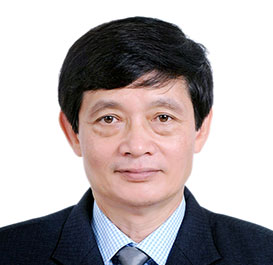


For a region that is heavily dependent on imported energy resources, it is critical for Asia to harness low-carbon green growth. The pursuit of economic growth remains one of the most important objectives for Asian economies. With this growth comes high rates of energy consumption, which has prompted the need for a balanced approach towards sustainable development policies and economic growth in Asian economies. Future development depends on identifying policies that integrate social and environmental issues to achieve the most efficient shift to greener growth. Maximising the potential gains from energy efficiency will also aid in this transition. This session examines the available solutions which will achieve low carbon development, without compromising on economic growth.
Speakers:


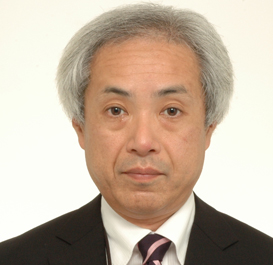


Listen to SIEwCast
Episode 2: Financing the Energy Systems of Tomorrow
Watch Interview
Financing the next phase of Southeast Asia's energy transition
Read Articles
SIEWConnects@DBS: Connecting Asia, Powering Growth
SIEW 2026 Sponsors