Day 3 28 October 2026

 Day 1 Highlights
 Day 2 Highlights
 Day 3 Highlights
 Day 3 Wrap-Up: Industry Perspectives and Technologies for Tomorrow’s Energy Systems
SIEW TechTable: Trust and Control in AI for Energy Systems
SIEW TechTable: From Smart Grid Operations to Intelligent Energy Systems
SIEW TechTable: Building Smarter, More Flexible Grids with AI
SIEW TechTable: The Future of AI-Powered Grid Management
SIEW TechTable: Singapore’s Approach to Advancing Energy Technologies
Spotlight U.S. Forum: Can Electricity Grids Keep Pace with ASEAN's Growing Data Centre Demand?
Spotlight U.S. Forum: Singapore, U.S. Advance Energy Cooperation to Support Digital Growth
Asian Downstream Summit: Building Resilience in Asia's Downstream Sector
SIEW Energy Insights: Keys to Building a Sustainable ASEAN Power Market
SIEW Energy Insights: Advancing the Frameworks for Regional Power Connectivity
SIEW Energy Insights: Electrification Push Addresses Energy Security and Climate Goals
SIEW Energy Insights: Regulation, Financing and Capabilities for Nuclear Readiness
SIEW Energy Insights: Building LNG Supply Resilience amid Market Volatility
SIEW Energy Insights: Cross-Border Power Trade Advances as Region Pushes for Grid Integration
SIEW 2026: More Strategic Energy Dialogues Ahead on Day 3
Day 3 Wrap-Up: Industry Perspectives and Technologies for Tomorrow’s Energy Systems
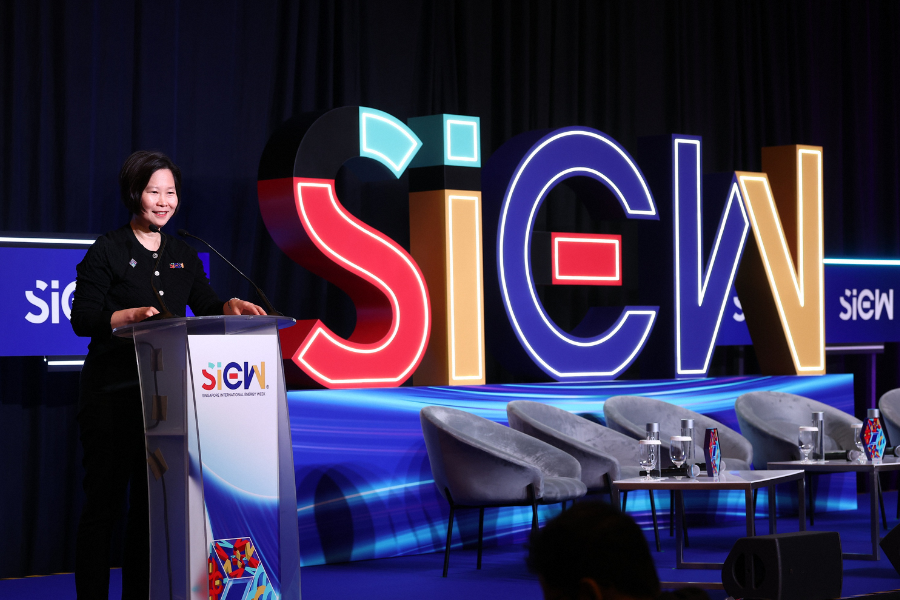
Day 3 of the Singapore International Energy Week (SIEW) 2026 featured discussions on regional energy connectivity, the power needs of the digital economy and emerging energy technologies at SIEW Energy Insights, the Spotlight U.S. Forum and SIEW TechTable.
Here’s a recap of Day 3’s highlights:
- SIEW Energy Insights: Cross-Border Power Trade Advances as Region Pushes for Grid Integration
- Spotlight U.S. Forum: Singapore, U.S. Advance Energy Cooperation to Support Digital Growth
- SIEW TechTable: The Future of AI-Powered Grid Management
Tomorrow, the SIEW Thinktank Roundtables will examine regional power markets, gas security and the deployment of low-carbon technologies. The Spotlight Sweden Forum will also explore energy partnerships, nuclear capabilities and grid resilience.
How is your SIEW 2026 experience thus far? Share your thoughts with us by taking a quick survey!
Follow @SIEW_sg on Telegram and X (formerly Twitter) for the latest insights and updates.
SIEW TechTable: Trust and Control in AI for Energy Systems
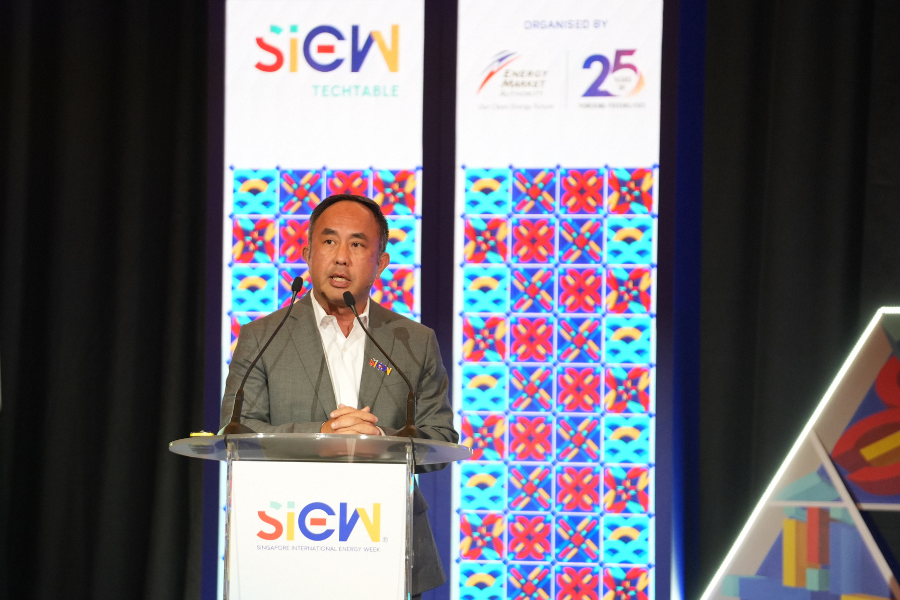
For energy and utilities companies, adopting artificial intelligence (AI) requires more than advanced models. It also means ensuring that sensitive data remains secure, AI systems are accountable, and computing resources are used efficiently.
At the SIEW TechTable session ‘Sovereign AI: Powering the Future of Energy and Utilities’, Johnny Nguyen, Energy and Utilities Chief Technology Officer, Cohere Inc, discussed how sovereign AI could support these priorities. The session was moderated by Gurbuz Gonul, Director of Country Engagement and Partnerships, International Renewable Energy Agency (IRENA).
- Sovereign AI gives organisations greater control over data and deployment. Mr Nguyen highlighted four considerations for organisations adopting AI: where systems operate, which models are used, how data is handled, and whether activities, policies and costs can be tracked. He emphasised the importance of deploying AI within secure environments while retaining flexibility to change models.
- Trust and oversight are essential to greater AI autonomy. Mr Nguyen explained that AI systems need robust safeguards, including monitoring, audit trails and evaluation frameworks to verify their reliability. Human oversight remains important as organisations build confidence in increasingly autonomous AI applications.
- AI efficiency could help manage electricity demand while supporting grid operations. Using smaller, task-specific models and optimising information retrieval could reduce computing requirements without compromising performance. Mr Nguyen also highlighted AI's potential to improve electricity system planning and scheduling, particularly as grids integrate more variable renewable energy sources.
Stay tuned as the conversation evolves throughout the day. Follow @SIEW_sg on Telegram and X (formerly Twitter) for key insights and the latest updates.
SIEW TechTable: From Smart Grid Operations to Intelligent Energy Systems
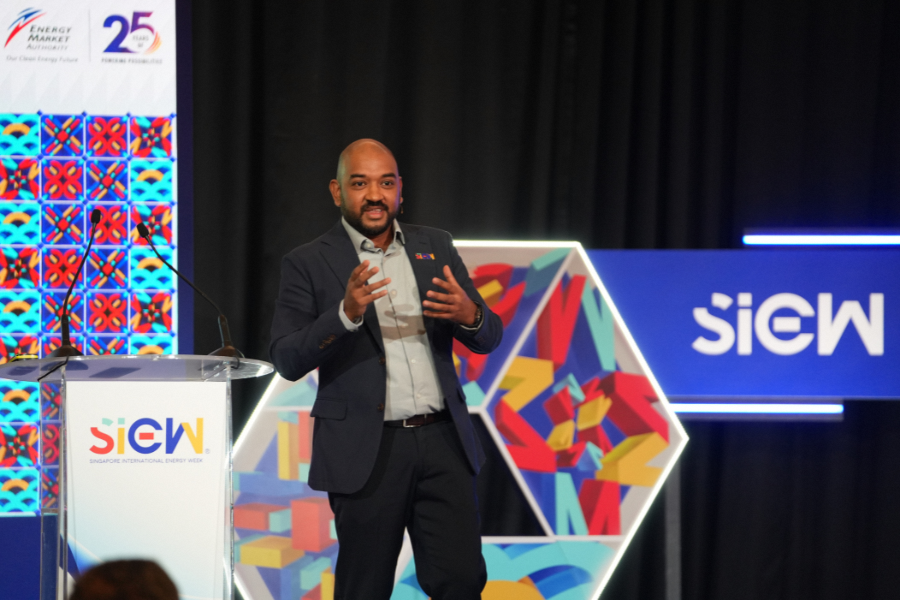
Future-proofing grids requires more than predicting future energy needs. It calls for adaptable systems that can respond to evolving demand, technologies and operating conditions.
At SIEW TechTable, Dr Kathiresan Ramprakash, Programme Director - New Horizons, Energy Research Institute @ NTU (ERI@N), shared how artificial intelligence (AI), distributed energy resources and digital technologies could transform grid operations. The session was moderated by Tim Rockell, Managing Director, Energy Strat Asia.
- Unlocking flexibility within existing infrastructure: Dr Ramprakash highlighted ERI@N's demonstration of 20–30 percent additional flexibility within a cluster of buildings. By coordinating distributed resources, including batteries and solar installations, grids could accommodate greater demand without relying solely on physical expansion.
- Making virtual power plants more intelligent: ERI@N's regulatory sandbox, supported by the Energy Market Authority (EMA), explores how batteries across Singapore can operate collectively. AI-driven contextual awareness and dynamic operating limits could help manage differences in battery performance and changing network conditions.
- Testing innovation before deployment: Dr Ramprakash outlined how interconnected digital twins could provide a controlled environment to simulate, validate and optimise decisions before implementation, reducing operational risks.
Stay tuned as the conversation evolves throughout the day. Follow @SIEW_sg on Telegram and X (formerly Twitter) for key insights and the latest updates.
SIEW TechTable: Building Smarter, More Flexible Grids with AI
By Derek Chua
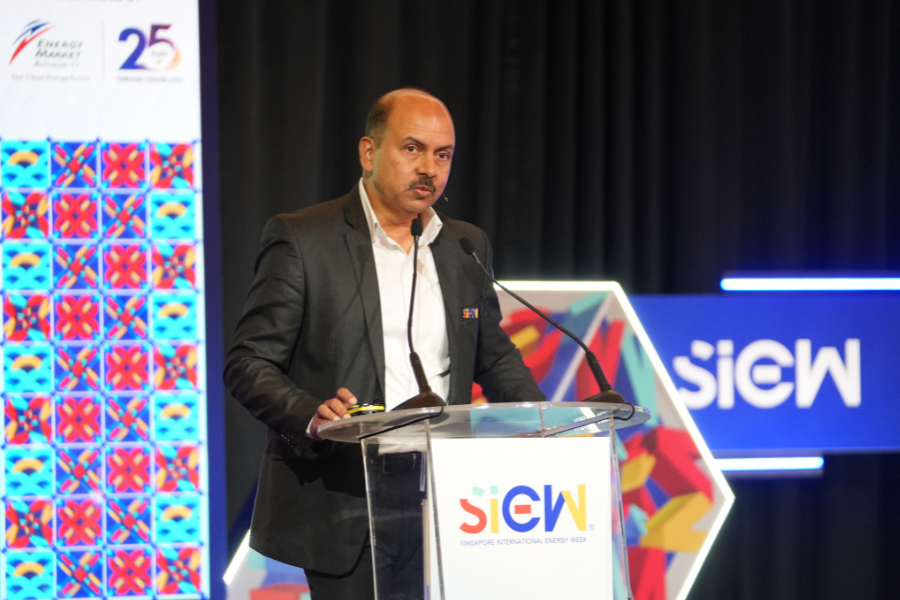
As renewable energy, electric vehicles and data centres introduce greater variability into electricity supply and demand, power grids will need more flexible technologies and intelligent management systems.
At SIEW TechTable, Akilur Rahman, Market Innovation Lead – South Asia and Chief Technology Officer – India, Hitachi Energy, explored how advanced power electronics, digitalisation and artificial intelligence (AI) can strengthen grid flexibility and reliability. The session was moderated by Tim Rockell, Managing Director, Energy Strat Asia.
- Advanced technologies can improve grid flexibility: High-voltage direct current (HVDC) transmission can support long-distance power transmission and offshore wind integration, while Flexible AC Transmission Systems (FACTS), including Static Synchronous Compensators (STATCOMs), can improve voltage regulation and grid stability.
- AI can help operators anticipate and manage grid disruptions: Mr Rahman highlighted applications in predictive asset maintenance, vegetation management using satellite imagery, and energy forecasting. These tools can help operators identify potential faults, optimise maintenance and manage increasingly variable electricity supply and demand.
- AI should complement, not replace, critical control systems: Grid protection and control must continue to rely on deterministic algorithms, according to Mr Rahman. He outlined a phased progression from AI-assisted recommendations to agentic systems requiring human approval, and eventually autonomous operations under human supervision.
- Collaboration and experimentation are essential to AI adoption: Responding to Mr Rockell's questions on the pace of technological change, Mr Rahman encouraged utilities to work with equipment manufacturers and academic institutions on joint pilots and experimental environments. This would allow operators to build expertise and assess new technologies before deploying them across live networks.
Stay tuned as the conversation evolves throughout the day. Follow @SIEW_sg on Telegram and X (formerly Twitter) for key insights and the latest updates.
SIEW TechTable: The Future of AI-Powered Grid Management
By Jin Wang
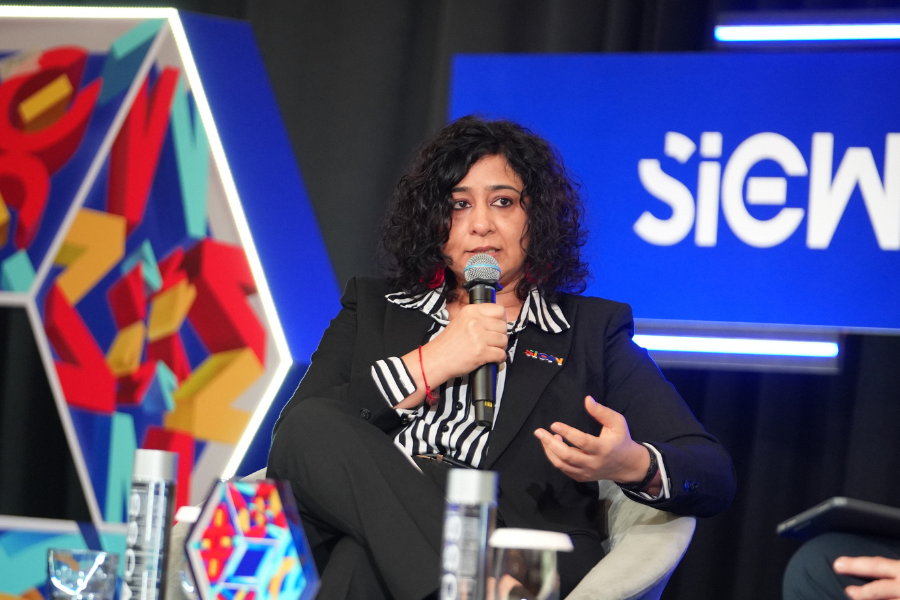
As electricity demand grows and power networks become more complex, artificial intelligence (AI) offers opportunities to improve grid operations and accelerate digitalisation. However, its deployment in critical infrastructure must be supported by reliable data, proven engineering and human oversight.
At SIEW TechTable, Kusum Verma, Director of Infrastructure Segments for APAC, Schneider Electric, shared practical AI applications in grid management. The session, ‘The Future of Grid Management, Powered by AI’, was moderated by Tim Rockell, Managing Director, Energy Strat Asia.
Explore the future of AI-powered grid management at SIEW TechTable
SIEW TechTable: Singapore’s Approach to Advancing Energy Technologies
Singapore is adopting a three-pronged approach to advancing new energy technologies: explore broadly, prove rigorously and scale selectively. Delivering the Welcome Remarks at SIEW TechTable, Eugene Toh, Assistant Chief Executive, Energy Market Authority (EMA), outlined how this strategy will guide Singapore's efforts to diversify its energy options while strengthening energy security and supporting decarbonisation.
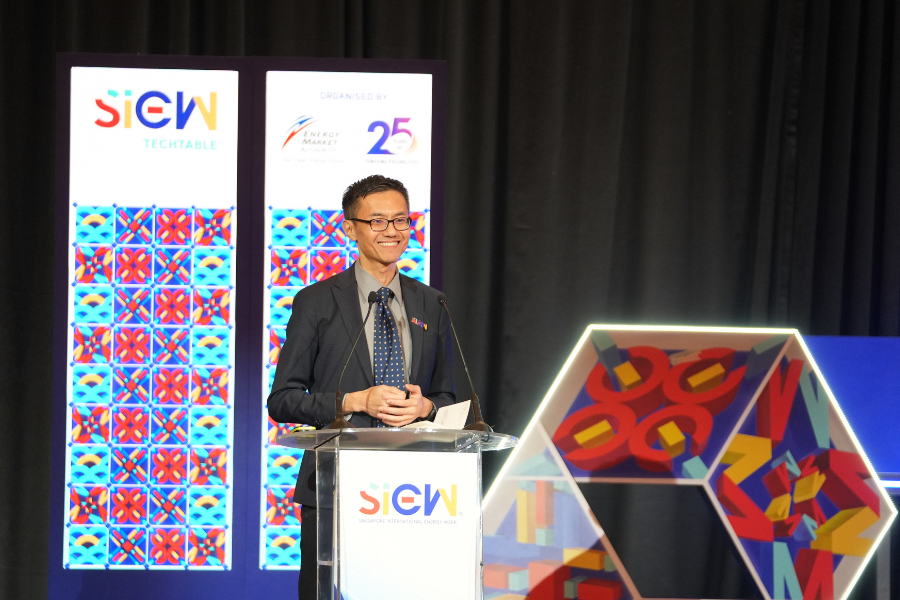
Mr Toh highlighted how Singapore is exploring the feasibility of nuclear energy while building local expertise through its newly announced nuclear manpower development programme. Geothermal energy is another area being studied, with EMA moving from preliminary feasibility assessments towards more rigorous testing.
For more mature technologies, Singapore is looking to scale deployment, including its targets of one gigawatt-hour of battery energy storage by 2030 and four gigawatt-peak of solar capacity by 2035. EMA is also exploring solar deployment in non-conventional spaces, including carports and building-integrated photovoltaics.
Mr Toh emphasised that Singapore's technology strategy must remain adaptable as electricity demand grows, particularly from data centres and the semiconductor industry. Drawing on Singapore's experience in scaling solar energy, he noted that technological progress must be accompanied by evolving regulatory capabilities.
Maintaining this flexibility will be essential to building an energy system that remains resilient, competitive and capable of meeting Singapore's decarbonisation ambitions.
Stay tuned as the conversation evolves throughout the day. Follow @SIEW_sg on Telegram and X (formerly Twitter) for key insights and the latest updates.
Spotlight U.S. Forum: Can Electricity Grids Keep Pace with ASEAN's Growing Data Centre Demand?
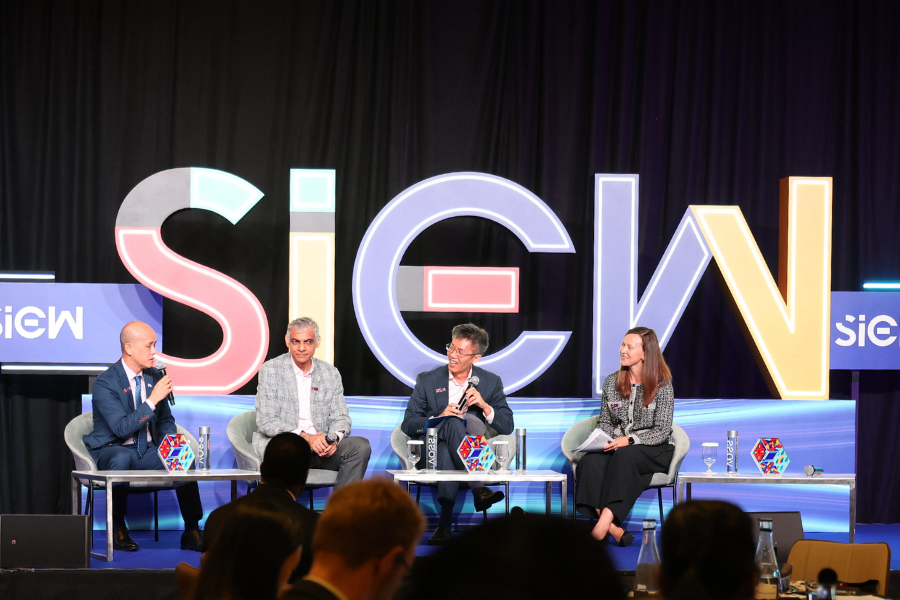
Electricity grids take years to plan and build, but businesses increasingly need larger power connections at shorter notice. This puts pressure on utilities to plan ahead while keeping electricity supply reliable.
At Spotlight U.S. Forum Session 1, Keeping the Lights On and Powering the Digital Economy: Can ASEAN’s Energy Transition Keep Up?, panellists explored how infrastructure investment and artificial intelligence (AI) could help address these challenges. They also examined the role of cross-border electricity cooperation.
The discussion featured Arun Biswas, Strategic Engagements Leader Asia Pacific, IBM; Desmond Li, Director, Stakeholders & Strategy, SP Group; and Kenneth Kong, Senior Managing Director - APAC, Infrastructure Advisory, Black & Veatch. Jenny Schuch-Page, Partner, The Asia Group, moderated.
Find out how grids can keep pace with growing data centre growth
Spotlight U.S. Forum: Singapore, U.S. Advance Energy Cooperation to Support Digital Growth
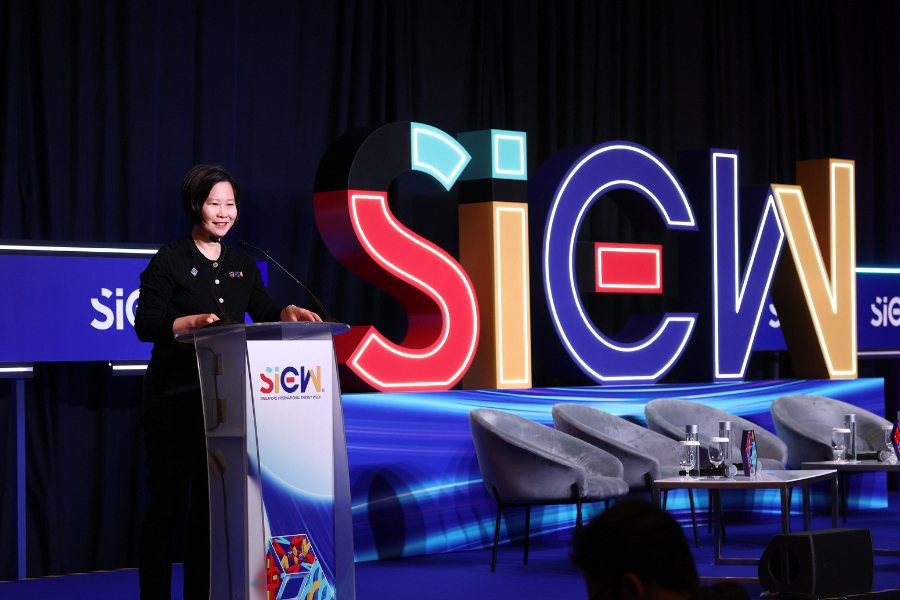
Singapore and the U.S. are strengthening cooperation to meet growing electricity demand while bolstering energy security. Rising demand from artificial intelligence (AI) and data centres is adding urgency to efforts to expand infrastructure and strengthen regional electricity links.
These priorities were highlighted at the Spotlight U.S. Forum by H.E. Gan Siow Huang, Minister of State, Ministry of Foreign Affairs and Ministry of Energy, Trade and Industry, Singapore. H.E. Anjani Sinha, US Ambassador to Singapore, also delivered welcome remarks.
Asian Downstream Summit: Building Resilience in Asia's Downstream Sector
Asia's downstream sector must prepare for energy disruptions by expanding its fuel and technology options.
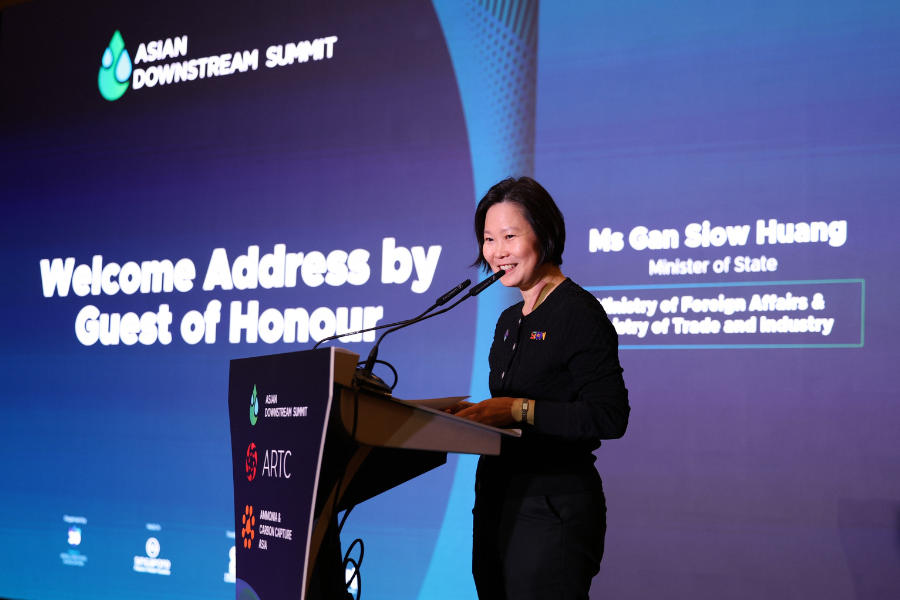
At the Asian Downstream Summit (ADS), H.E. Gan Siow Huang, Minister of State, Ministry of Foreign Affairs and Ministry of Energy, Trade and Industry, Singapore, outlined how the country is responding to this challenge. She highlighted three priorities:
- Diversifying for security and decarbonisation: H.E. Ms Gan noted that recent disruptions to global energy flows have tightened supplies and raised costs. Southeast Asia is also becoming more reliant on energy imports. Diversifying low-carbon fuels and technologies could help strengthen energy security while supporting decarbonisation.
- Investing early in drop-in fuels: Biomethane can reduce emissions while making use of existing gas infrastructure. Keppel Energy, Sembcorp Utilities and Tuas Power have been appointed as aggregators to develop biomethane supply chains to Singapore. Shell also recently delivered Singapore's first ISCC-EU-certified cargo of bio-liquefied natural gas (bio-LNG). The delivery used existing liquefied natural gas (LNG) infrastructure.
- Supporting emerging technologies: Up to S$100 million has been set aside to support the new Decarbonisation Research for Industry, Ventures, and Enterprise (DRIVE) programme. The funding is part of the S$800 million Decarbonisation Grand Challenge.
To support the testing and demonstration of low-carbon technologies, construction of the Low Carbon Technology Translational Testbed (LCT3) has begun on Jurong Island. Its first industry users are IHI Corporation, Amogy and Metha8. Their projects span sustainable aviation fuel, hydrogen production from ammonia and methanol-to-power technologies.
Stay tuned as the conversation evolves throughout the day. Follow @SIEW_sg on Telegram and X (formerly Twitter) for key insights and the latest updates.
SIEW Energy Insights: Keys to Building a Sustainable ASEAN Power Market
By Jin Wang
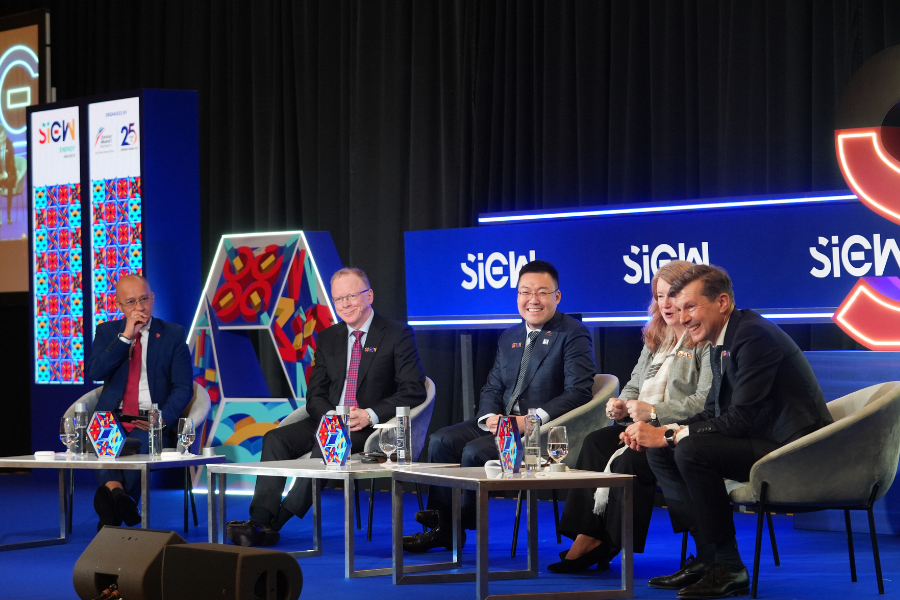
Building a sustainable ASEAN power market will require more than physical interconnections. Clear regulatory frameworks, bankable projects and sustained cross-border cooperation will be essential to turning regional electricity connectivity ambitions into commercially viable projects.
A SIEW Energy Insights panel moderated by Jason Mann, Senior Managing Director, FTI Consulting, examined how international experience could inform the development of the ASEAN Power Grid (APG), while addressing the region's distinct financing, regulatory and infrastructure challenges.
SIEW Energy Insights: Advancing the Frameworks for Regional Power Connectivity
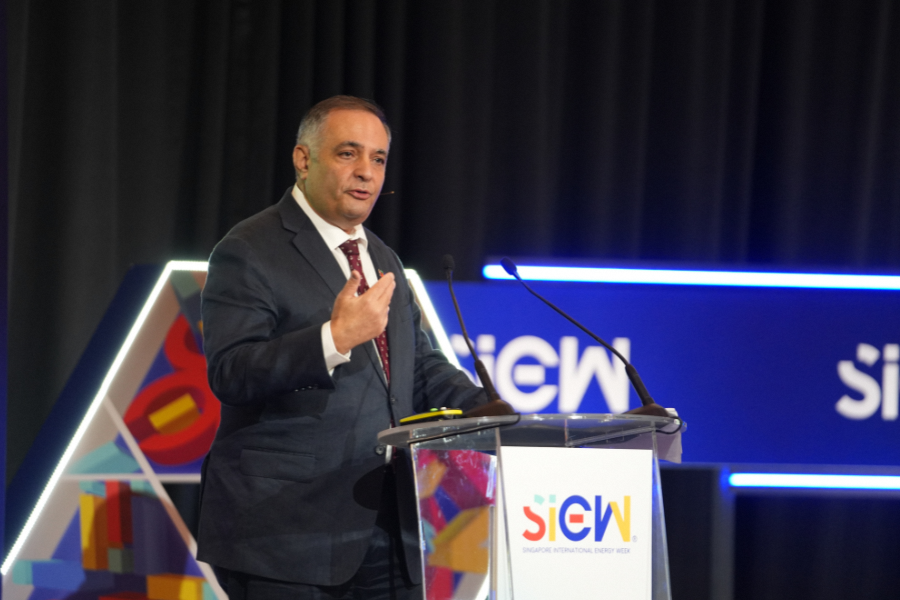
Clear legal frameworks, coordinated governance and predictable revenue models could help unlock cross-border subsea power interconnections in the Association of Southeast Asian Nations (ASEAN). These were among the preliminary findings from Phase Two of the Singapore-US Feasibility Study on Regional Energy Connectivity.
At SIEW Energy Insights, Frank A. Putzu, Senior Advisor, Pacific Northwest National Laboratory, presented findings from the study, conducted by Pacific Northwest National Laboratory and the National Laboratory of the Rockies in collaboration with Singapore's Energy Market Authority (EMA) and the Ministry of Energy, Trade and Industry.
SIEW Energy Insights: Electrification Push Addresses Energy Security and Climate Goals
By Alexandrea Ang and Derek Chua
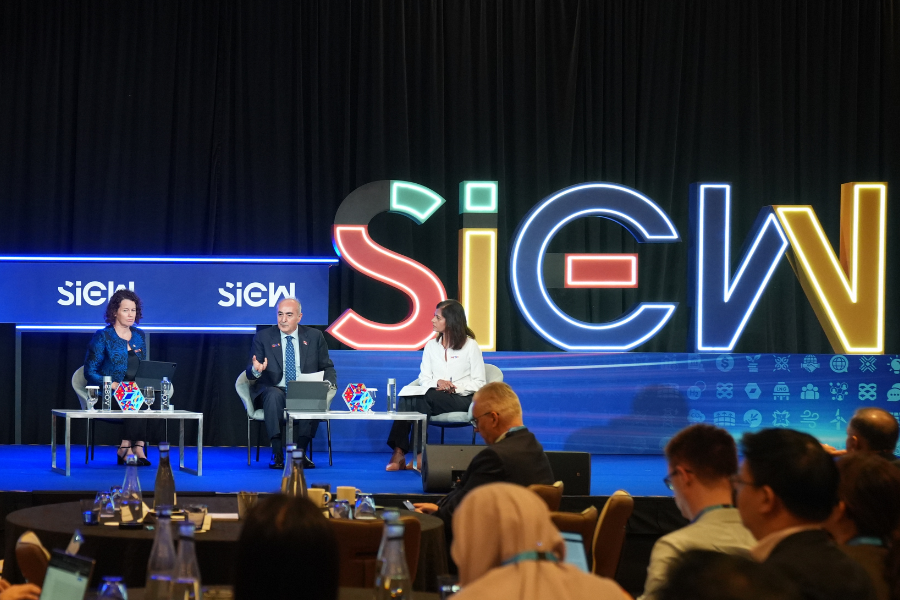
At SIEW Energy Insights, H.E. Amb Sadık Arslan, Ambassador of the Republic of Türkiye to Singapore and Emily Follett, Acting High Commissioner, Australian Department of Foreign Affairs and Trade, discussed how faster electrification, stronger grids and international cooperation could advance climate goals while strengthening energy security.
Learn more from the SIEW Energy Insights session on electrification
SIEW Energy Insights: Regulation, Financing and Capabilities for Nuclear Readiness
As Southeast Asian countries explore nuclear energy, establishing the right regulatory frameworks, workforce capabilities and financing models will be critical to enabling future deployment.
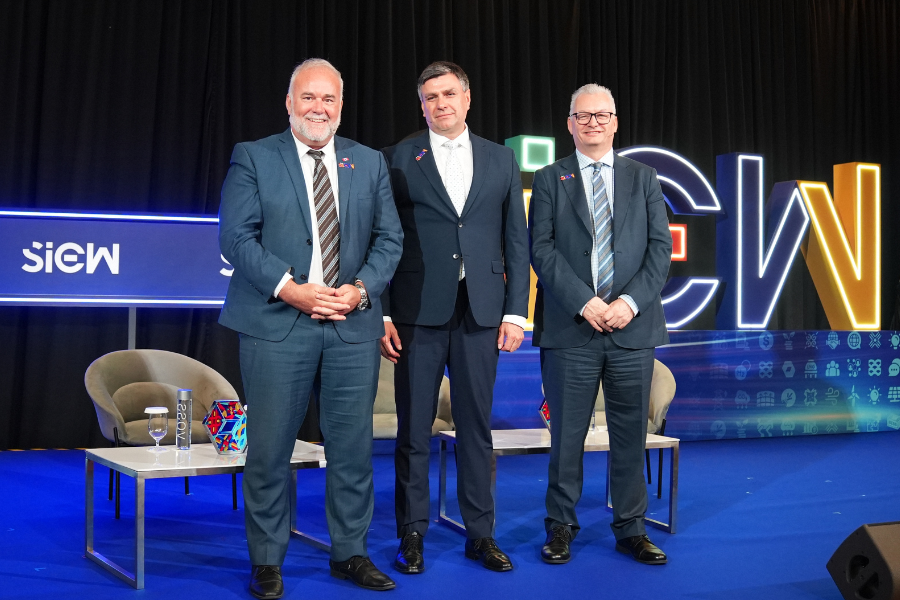
At SIEW Energy Insights, Gary Rose, Executive Vice President, Nuclear, Canada, AtkinsRéalis and President, CANDU International, and Todd Smith, Vice-President of Marketing and International Business Development, Candu International, shared lessons from established nuclear programmes. The discussion was moderated by Matt Firla-Cuchra, Partner and Global Lead, Nuclear Energy, KPMG in the UK.
- Building capabilities before deployment: Mr Rose shared that nuclear programmes require long-term planning, including experienced regulators, skilled workforces, reliable supply chains and supportive policies. These foundations are essential for managing nuclear facilities throughout their operating lifetimes.
- Matching technology to energy needs: Reactor selection should be guided by specific energy requirements. Mr Rose said that large-scale reactors may suit densely populated areas with substantial electricity demand, while small modular reactors could serve remote locations or specialised industrial applications.
- Strengthening investor confidence: Mr Smith emphasised the importance of government involvement in financing nuclear projects, particularly given their significant upfront costs.
The discussion underscored that nuclear readiness extends beyond technology selection. Developing the necessary institutional capabilities, partnerships and financing structures will be fundamental to making informed, long-term decisions.
Stay tuned as the conversation evolves throughout the day. Follow @SIEW_sg on Telegram and X (formerly Twitter) for key insights and the latest updates.
SIEW Energy Insights: Building LNG Supply Resilience amid Market Volatility
Recent supply disruptions have tested the resilience of the global liquefied natural gas (LNG) market. The redirection of cargoes to Asia has demonstrated the market's responsiveness, even as supply risks persist.
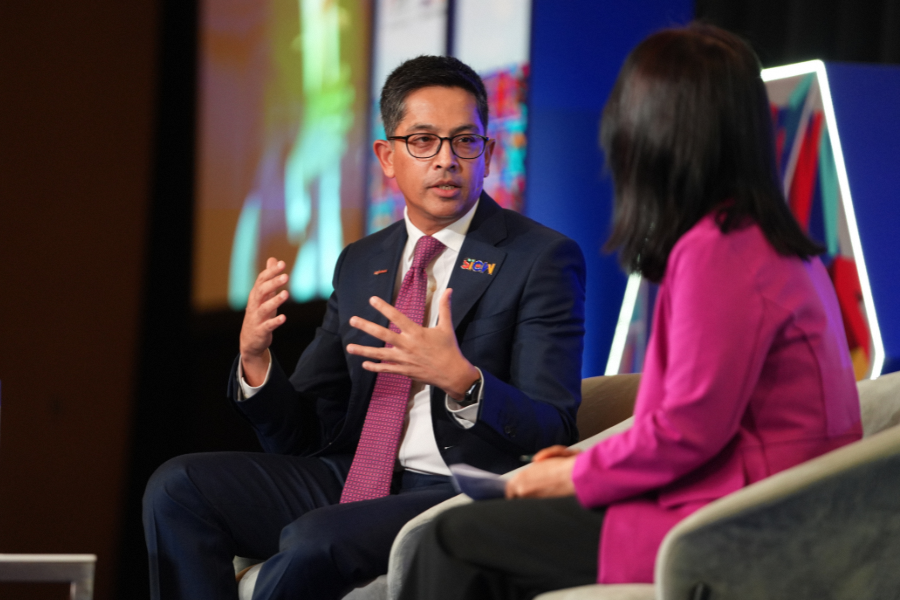
These developments framed the SIEW Energy Insights session, Global LNG and Gas Outlook: Strengthening Energy Security in Asia. The discussion featured Sid Bambawale, Global Head of Energy Trading and Head of Asia Gas & Power, ExxonMobil. Liu Xiaowei, Asia Director and Senior Advisor, World Energy Council, moderated.
Explore the latest LNG developments shared during SIEW Energy Insights
SIEW Energy Insights: Cross-Border Power Trade Advances as Region Pushes for Grid Integration
Cross-border electricity trade is advancing, but deeper grid integration requires more than infrastructure. Aligned regulations, stronger institutions and workforce capabilities will be key to sustaining progress.
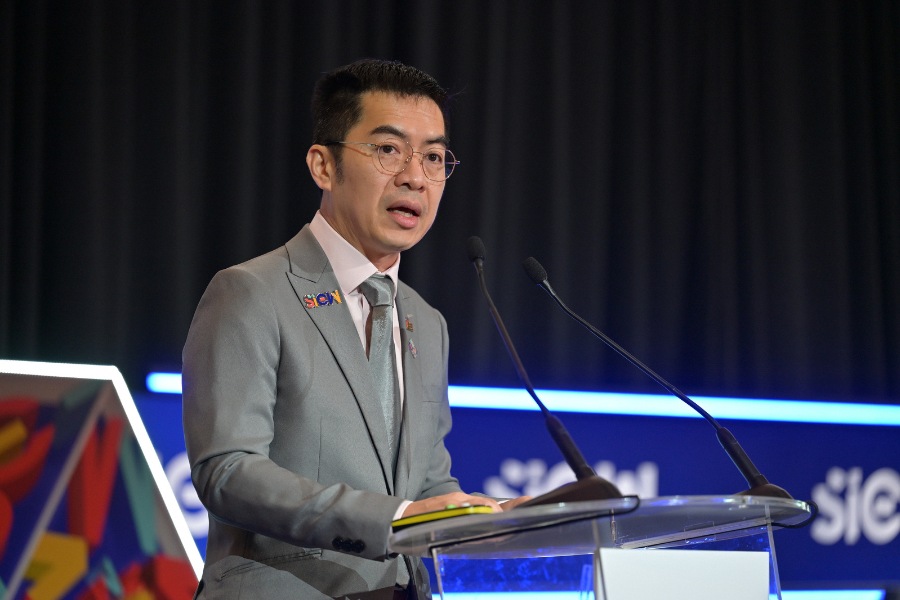
At the opening of SIEW Energy Insights, Puah Kok Keong, Chief Executive, Energy Market Authority (EMA), Singapore, highlighted the country's electricity import plans and regional cooperation. Lin Yang, Deputy Executive Secretary for Programme, United Nations Economic and Social Commission for Asia and the Pacific (ESCAP), outlined a broader approach to energy connectivity. Her vision brought together infrastructure with governance, financing and workforce development.
SIEW 2026: More Strategic Energy Dialogues Ahead on Day 3
Artificial intelligence (AI) and data centres are driving up energy demands. Can grids keep up? Day 3 of the Singapore International Energy Week (SIEW) 2026 turns the spotlight on industry perspectives, regional connectivity and the technologies shaping tomorrow’s power systems.
The morning begins with SIEW Energy Insights, featuring Welcome Remarks from Puah Kok Keong, Chief Executive, Energy Market Authority (EMA) of Singapore, and a Keynote Address by Lin Yang, Deputy Executive Secretary for Programme, United Nations Economic and Social Commission for Asia and the Pacific (ESCAP).
Sessions will explore the outlook for LNG and gas, nuclear readiness and the market frameworks needed for cross-border electricity trade. The programme also includes an update on the Singapore-U.S. Feasibility Study on Regional Energy Connectivity.
At the Spotlight U.S. Forum: Powering Data Centers & Strengthening Grids – The Next Decade, policymakers and industry leaders will discuss how ASEAN can meet growing electricity demand from AI and data centres, alongside the infrastructure and financing required. H.E. Gan Siow Huang, Minister of State, Ministry of Foreign Affairs & Ministry of Energy, Trade and Industry, Singapore, will deliver the Welcome Remarks.
In the afternoon, SIEW TechTable will showcase technologies for grids, AI and data centres, solar and battery storage, and small modular reactors (SMRs) and advanced nuclear.
Stay tuned as the conversation evolves throughout the day. Follow @SIEW_sg on Telegram and X (formerly Twitter) for key insights and the latest updates.
Events at A Glance
SIEW 2026 Sponsors