RT C: RSIS
| Organiser | S. Rajaratnam School of International Studies (RSIS) |
| Date | 29 Oct 2015, 09:00 - 12:00 hrs |
Many countries in Southeast Asia have expressed interest in developing nuclear energy as part of their energy mix. Vietnam is set to operate its first nuclear power plant after 2020, while others such as Indonesia and Malaysia are seriously considering the nuclear energy option. While progress in developing civilian nuclear energy is uneven across the region, the presence of several regional institutions and arrangements that deal with nuclear energy provide essential pathways in embedding the norms of nuclear safety and safeguards, as well as advance regional cooperation in nuclear energy governance. The most important strand of nuclear governance is the regulatory framework. With the transboundary implications of radioactive waste leaks and nuclear accidents, it is imperative for ASEAN member-states to work together to ensure effective governance of nuclear facilities, materials, and waste and to adopt a regional disaster preparedness mechanism.
The RSIS Roundtable will provide a platform for discussing the state of nuclear energy programmes in ASEAN and their implications for the wider Asia-Pacific region.
It will deliberate on the following questions:
- What are the key challenges and obstacles to nuclear energy programmes in Southeast Asia?
- What are the current national and regional initiatives in ASEAN on upholding nuclear safety, security and safeguards?
- How can ASEAN members enhance cooperation through existing platforms to strengthen regional governance on nuclear safety, security and safeguards?
Programme Details:
Download presentation slides here.
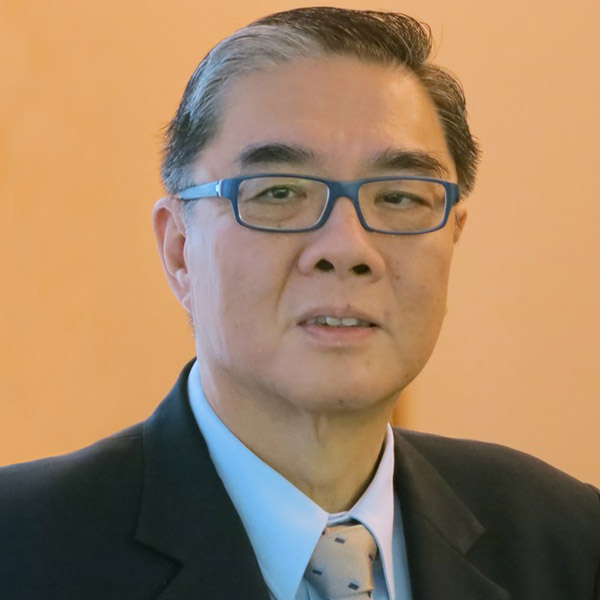
The Session will explore national and regional initiatives to uphold nuclear 3s in Southeast Asia. Panellists will discuss the major challenges that relevant states in the region face as they prepare for the possible use of nuclear power and the policy responses that they need to adopt.
Speakers:


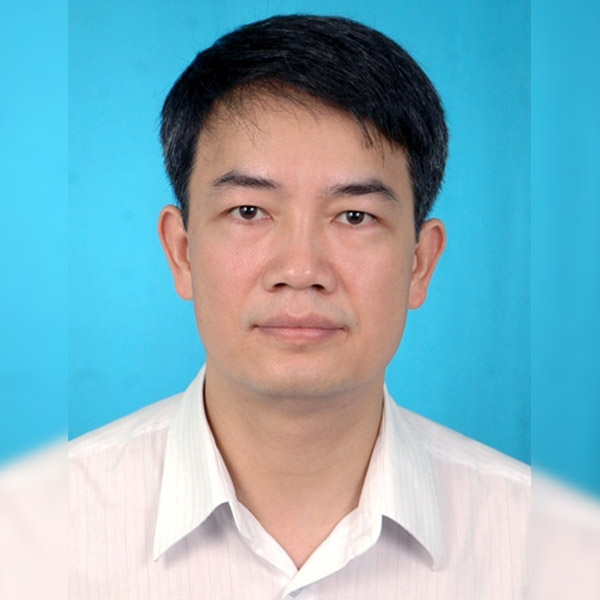

This session will discuss the multi-stakeholder perspectives on the readiness of Southeast Asia to pursue nuclear power. The Session will feature alternative voices from the private sector, civil society and the academe. They will share their insights on why Southeast Asia should or should not use nuclear power. The Session will also explore relevant lessons for Southeast Asia from other regions and nuclear-powered states on nuclear safety and security.
Speakers:


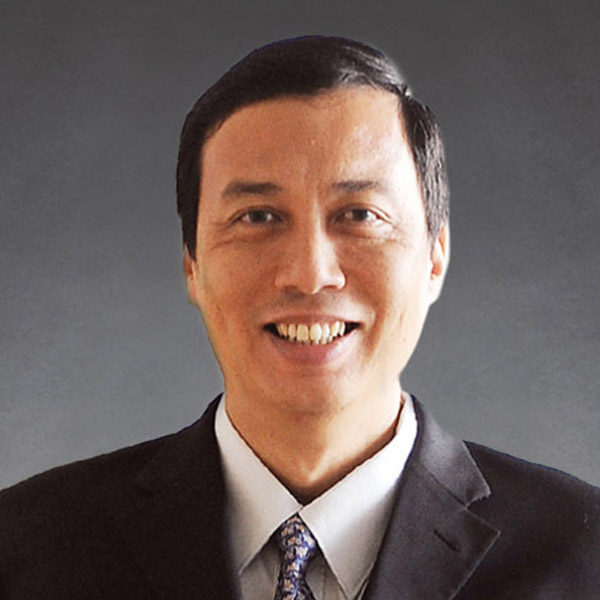

Moderator:
Speakers:
Download presentation slides here.
Listen to SIEwCast
Episode 2: Financing the Energy Systems of Tomorrow
Watch Interview
Financing the next phase of Southeast Asia's energy transition
Read Articles
SIEWConnects@DBS: Connecting Asia, Powering Growth
SIEW 2026 Sponsors