SIEW Energy Insights
| Organiser | Energy Market Authority |
| Date | 30 Oct 2019, 14:30 - 16:35 hrs |
| Venue | Sands Expo & Convention Centre, Marina Bay Sands Singapore |
Presented by

SIEW Energy Insights features the latest reports launched by renowned international organisations. Benefit from the most up to date research on key energy issues.

DNV GL: Energy Transition Outlook 2019 - Power Supply & Use, Forecast to 2050 14:35 - 15:20 hrs This industry implication report, part of DNV GL’s Energy Transition Outlook series, presents implications of our energy forecast to 2050 for key stakeholders involved in electricity generation, including renewables; electricity transmission and distribution; and energy use. Amidst electricity use increasing rapidly and production becoming dominated by renewables, the report details important industry implications. These include: Substantial opportunities for those parties involved in solar and wind generation Massive expansion and reinforcement of transmission and distribution networks Further need for implementation of energy efficiency technology Acceleration of the electric vehicle revolution The energy transition is fast, but not fast enough to meet the goals of the Paris Agreement pdf_smallClick here to download the presentation.



Presenters


For the past year, the Atlantic Council has been exploring the impact that aggressive decarbonisation policies and the transformation of the fuels market will have on global oil demand and geopolitics. The report will launch a study of the possible trajectories for oil demand in the energy transition and the effect they will have on markets, oil producers, energy trade, and global politics.
Presenters

Hydrogen and energy have a long shared history – powering the first internal combustion engines over 200 years ago to becoming an integral part of the modern refining industry. It is light, storable, energy-dense, and produces no direct emissions of pollutants or greenhouse gases. But for hydrogen to make a significant contribution to clean energy transitions, it needs to be adopted in sectors where it is almost completely absent, such as transport, buildings and power generation.
The IEA’s Director of Energy Markets and Security will present the IEA’s analysis on The Future of Hydrogen, which provides an extensive and independent survey of hydrogen that lays out where things stand now; the ways in which hydrogen can help to achieve a clean, secure and affordable energy future; and how we can go about realising its potential.

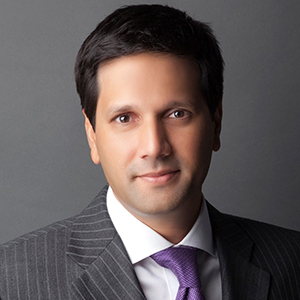
Energy transitions can disrupt existing business models, potentially resulting in stranded assets. Take the case of electricity distribution companies. These companies typically make large network investments to ensure the reliability of electricity supply for the customers. In a world where distributed energy resources become the norm, customers may opt to use the network less frequently. This would then result in a situation where distribution companies are unable to recover their costs.
Early research at KAPSARC shows that the creation of an innovative insurance market for reliability can help to manage these concerns. In the context of electricity markets, the core idea is for the distribution companies to offer a menu of guaranteed ‘services’ to their customers as opposed to selling kilo-watt hours of electricity. Customers would purchase hours of lighting, cooling, heating, maintenance and reliability services based on their individual preferences and their risk tolerances.
 Click here to download the presentation
Listen to SIEwCast
Episode 2: Financing the Energy Systems of Tomorrow
Watch Interview
Financing the next phase of Southeast Asia's energy transition
Read Articles
SIEWConnects@DBS: Connecting Asia, Powering Growth
SIEW 2026 Sponsors