Like many countries in South East Asia, the Philippines faces twin challenges of population growth and rising energy demand. Dependent on imports for nearly half its primary energy supply, the country is highly exposed to oil price volatility. Frequent tropical storms, meanwhile, adversely impact its energy infrastructure.
In response to these challenges, the Philippines has resolved to bolster its energy security and pursue low-carbon economic development while taking an active part in global efforts to address climate change.
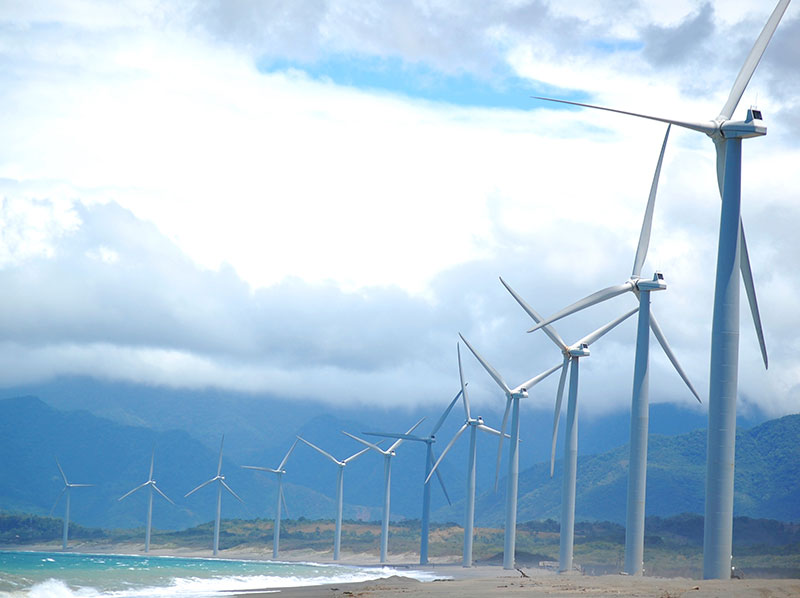
Renewable energy technologies have become increasingly prominent in national planning and policy-making and are gaining importance in the realisation of the country’s sustainable development objectives. In 2011, the Philippines set an ambitious renewable energy target of 15.3 gigawatts by 2030. With the entry into force of the Paris Agreement, renewable energy is poised to play an even bigger role in meeting climate objectives and in the decarbonisation of the energy sector.
IRENA has, in co-operation with the Philippine government, released its Renewables Readiness Assessment (RRA) of the country’s energy sector. The RRA identifies barriers and proposes key actions to strengthen the policy, regulatory, and institutional framework, in order to accelerate renewable energy deployment.
The RRA also assesses the Philippines’ grid infrastructure, renewable energy capacity, and its potential for electrification through renewable-based mini- and micro-grid solutions.
To find out more about the full assessment, the report can be downloaded here.
By: IRENA