Natural gas continues to underpin global energy systems, as electricity demand rises and climate ambitions grow. Amid these ongoing conversations around energy security and decarbonisation in Asia Pacific, government and industry stakeholders across the value chain are rethinking the role of gas in increasingly complex and interconnected energy systems.
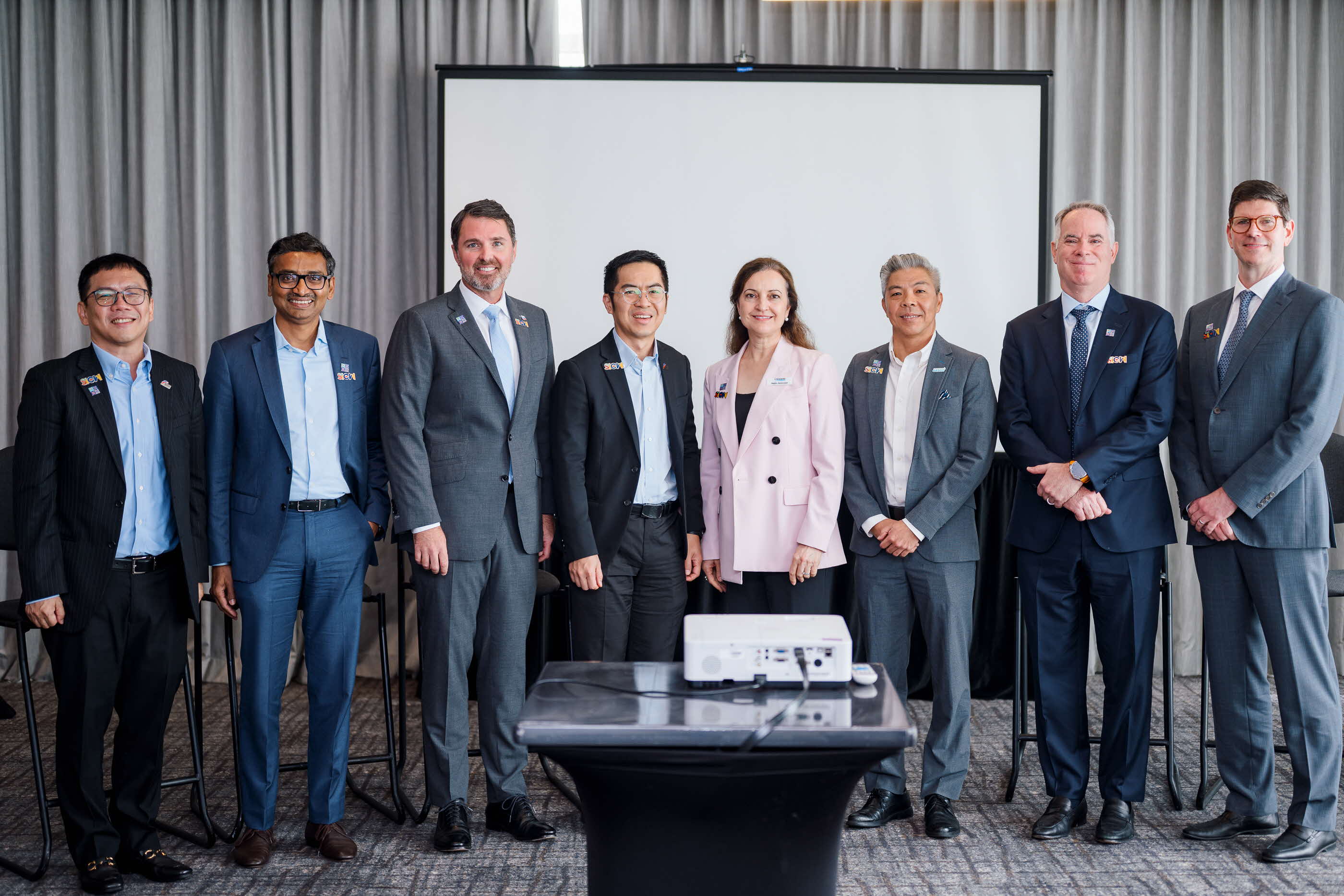
These discussions took centre stage at SIEWConnects@Houston, the third global engagement session leading up to the Singapore International Energy Week (SIEW) 2026 in October. Held in Houston on 3 June, industry leaders gathered to examine global market trends, technology developments and investment strategies shaping the future of gas.
As market dynamics evolve, Houston was a fitting venue considering that in 2025, the United States became the first country to export more than 100 million metric tonnes of LNG in a single year. With significant new LNG export capacity expected to come online over the next decade, U.S. gas market developments will increasingly shape the global energy economy.
The event also reflects Singapore's commitment to the SIEW 2026 theme, "Connecting Energy Systems, Powering Tomorrow". Natural gas remains pivotal to Singapore's energy mix while the country continues to develop other low-carbon energy solutions. Connecting these pathways into a reliable, resilient and affordable energy system will be critical to meeting Singapore's future needs.
Gas remains pivotal to Singapore’s energy future
In his Welcome Remarks, Mr Puah Kok Keong, Chief Executive, Energy Market Authority (EMA), outlined the important role gas continues to play in Singapore's energy system. Today, natural gas accounts for around 95 percent of the country's electricity generation. As a resource-constrained nation that relies heavily on imported natural gas, diversification is key to safeguarding Singapore's energy security.
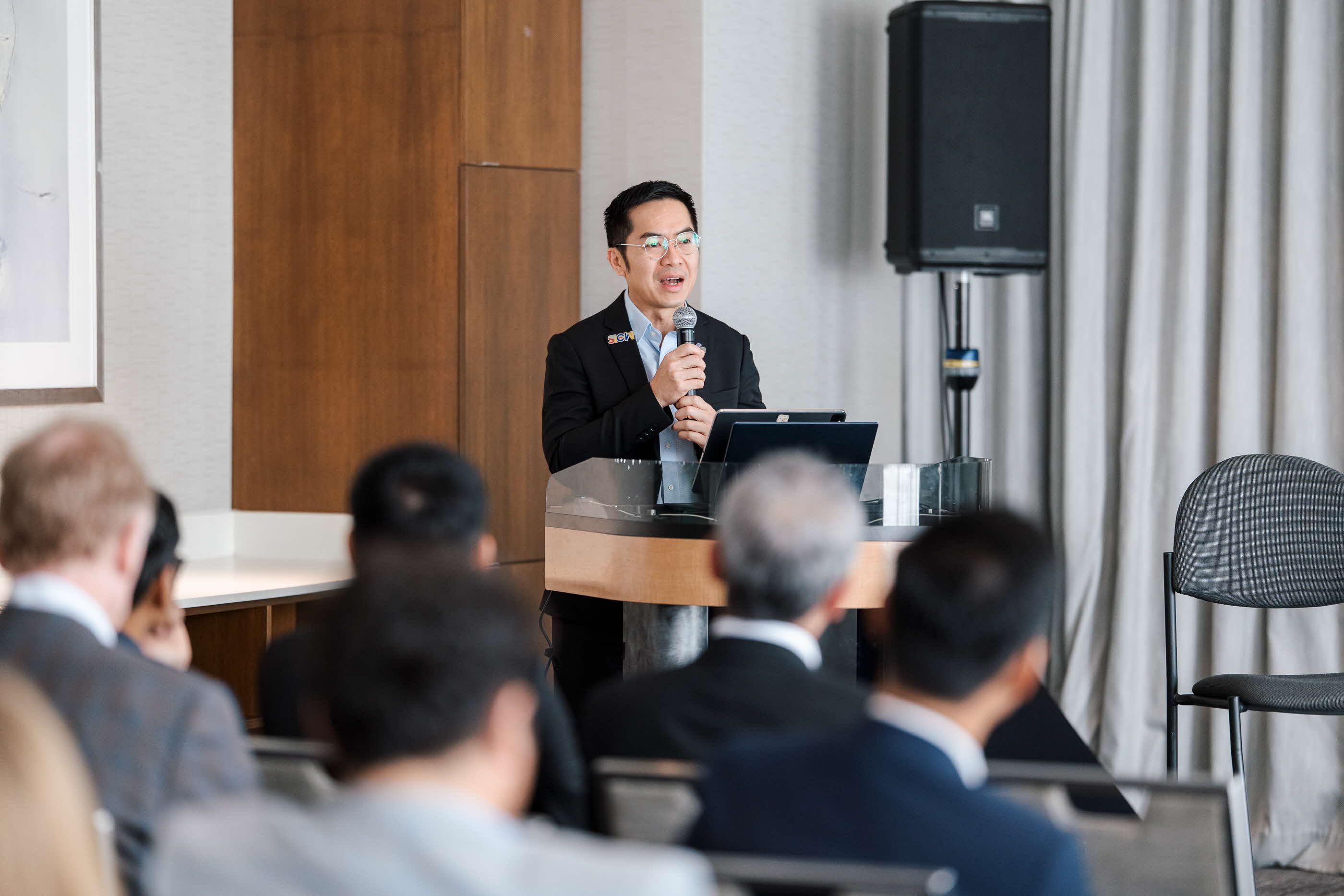
Mr Puah highlighted several measures Singapore has taken to strengthen its gas supply resilience. These include investments in a second LNG terminal that will increase Singapore's total LNG import capacity to around 15 million tonnes per annum, as well as the establishment of Singapore GasCo to centralise gas procurement and diversify supply sources.
At the same time, Singapore is exploring alternative pathways including low-carbon electricity imports, hydrogen and geothermal energy. Mr Puah noted that until these pathways become technologically and economically viable at scale, natural gas will continue to play a key role in Singapore's energy transition.
New demand drivers reshaping gas market dynamics
In his Outlook Presentation, Mr Wolfgang Moehler, Director, Americas Gas, S&P Global Energy, discussed how the U.S. gas market is evolving as new sources of demand emerge. Increasingly, U.S. natural gas exports to Mexico are expected to become the largest source of demand, surpassing the power sector by the early 2030s. At the same time, surging electricity demand from artificial intelligence (AI) data centres is creating a new source of demand, reinforcing the importance of natural gas in supporting future energy needs.

Mr Moehler noted that the U.S. LNG sector is entering another major wave of expansion. Following a record year of Final Investment Decisions (FIDs) in 2025, LNG export capacity is expected to grow significantly, with the U.S. projected to account for around 35 percent of global LNG supply by the early 2030s.
As global gas markets become increasingly interconnected, developments in one region are likely to have a growing impact on energy security and supply dynamics elsewhere. This is particularly relevant for Asia, which is expected to account for around half of global gas demand growth in 2026.
Building resilience in an interconnected energy landscape
During the panel discussion moderated by Mr Anish De, Global Head of Energy, Natural Resources, and Chemicals, KPMG, panellists shared diverse viewpoints on the opportunities and challenges shaping the future role of gas in global energy systems.
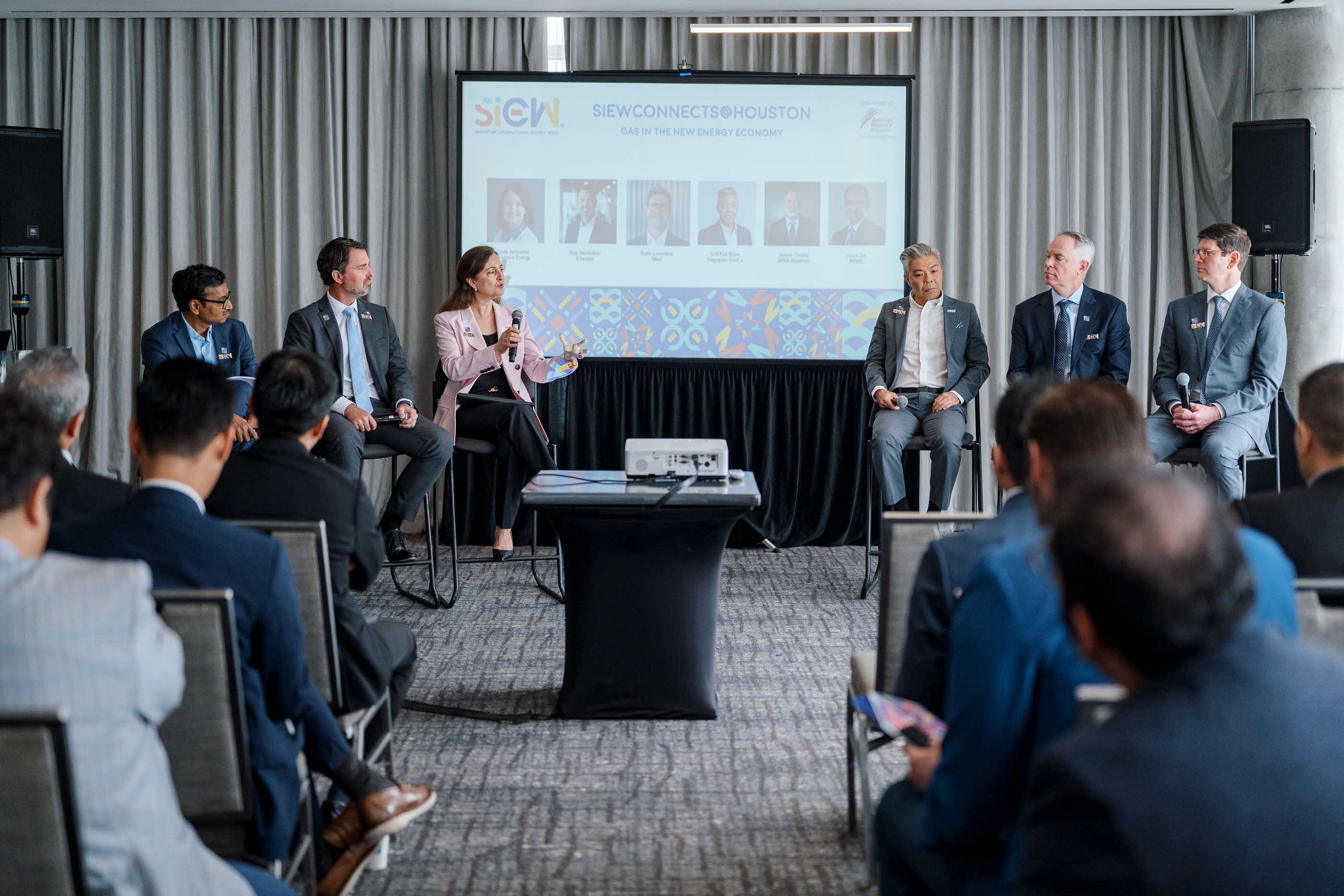
A recurring theme throughout the conversations was how gas developments can respond to changing needs in a fast-evolving energy landscape. Mr James Tinsley, Chief Commercial Officer, JERA Americas, shared that while technological advances have enabled the U.S. gas market to grow significantly and kept gas prices competitive, the next phase of growth will require the industry to navigate new challenges around infrastructure, volatility and long-term resilience.
Ms Najla Jamoussi, Director, Market Fundamentals – Global LNG, Cheniere Energy, observed that governments and businesses are taking a more pragmatic approach to the energy transition. While climate ambitions remain important, she noted that affordability, reliability and energy security are increasingly shaping investment and policy decisions. This has reinforced the focus on delivering energy solutions that are both practical and sustainable.
This sense of market pragmatism has prompted organisations to reassess how they approach energy resilience. Mr Goh Tiak Boon, Chief Commercial Officer, Singapore GasCo, described how organisations are now placing greater emphasis on energy security amid uncertain market conditions, driving a shift from “just-in-time” to “just-in-case” supply strategies. As natural gas continues to play a key role in energy systems, ensuring secure and reliable gas supplies will become an increasingly important priority.
Speakers also emphasised that resilience and energy security will also depend on the policy and investment environment needed to support future energy needs.
Mr Rob Nunmaker, Vice President, Commercial & Sales, Chevron, shared his view that the energy transition will be shaped not only by technology advances—stable policy frameworks are equally critical to support long-term investment decisions. He noted that meeting future energy demand will require a broad mix of energy sources, from natural gas to nuclear power.
Mr Ryan Lawrence, Vice President, LNG Americas, Shell, highlighted the importance of portfolio diversification across suppliers, geographies and pricing structures in managing risk and strengthening energy security. He also highlighted that demand dynamics vary significantly between emerging and developed economies, underscoring the need for flexible approaches to energy planning.
Expanding the role of gas within evolving energy systems
The discussion at SIEWConnects@Houston reflected a growing recognition that resilience, flexibility and diversification will become increasingly important as countries pursue a broader mix of energy pathways including natural gas. Throughout the event, speakers shared insightful perspectives on the role of gas alongside emerging low-carbon technologies and new infrastructure investments to support reliable, affordable and secure energy systems.
SIEW 2026 will take place from 26 to 30 October in Singapore. Join global energy leaders for discussions on the partnerships, policies and solutions needed to advance the energy systems of tomorrow. Register your interest now.