
The energy transition is entering a more complex phase. Across Asia Pacific, the question is no longer whether cleaner and more interconnected energy systems are needed. It is how quickly they can be financed, built, and integrated into markets that remain secure, affordable and reliable.
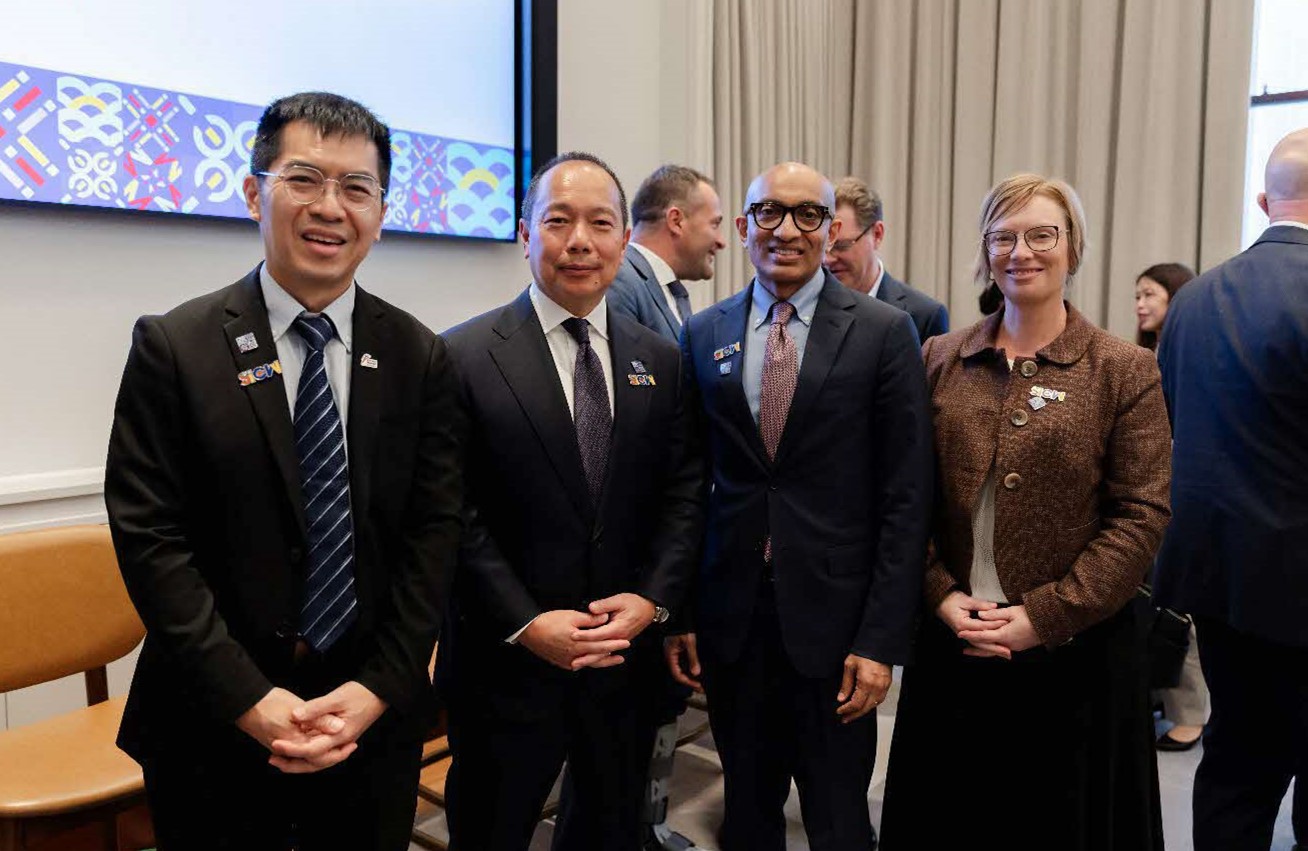
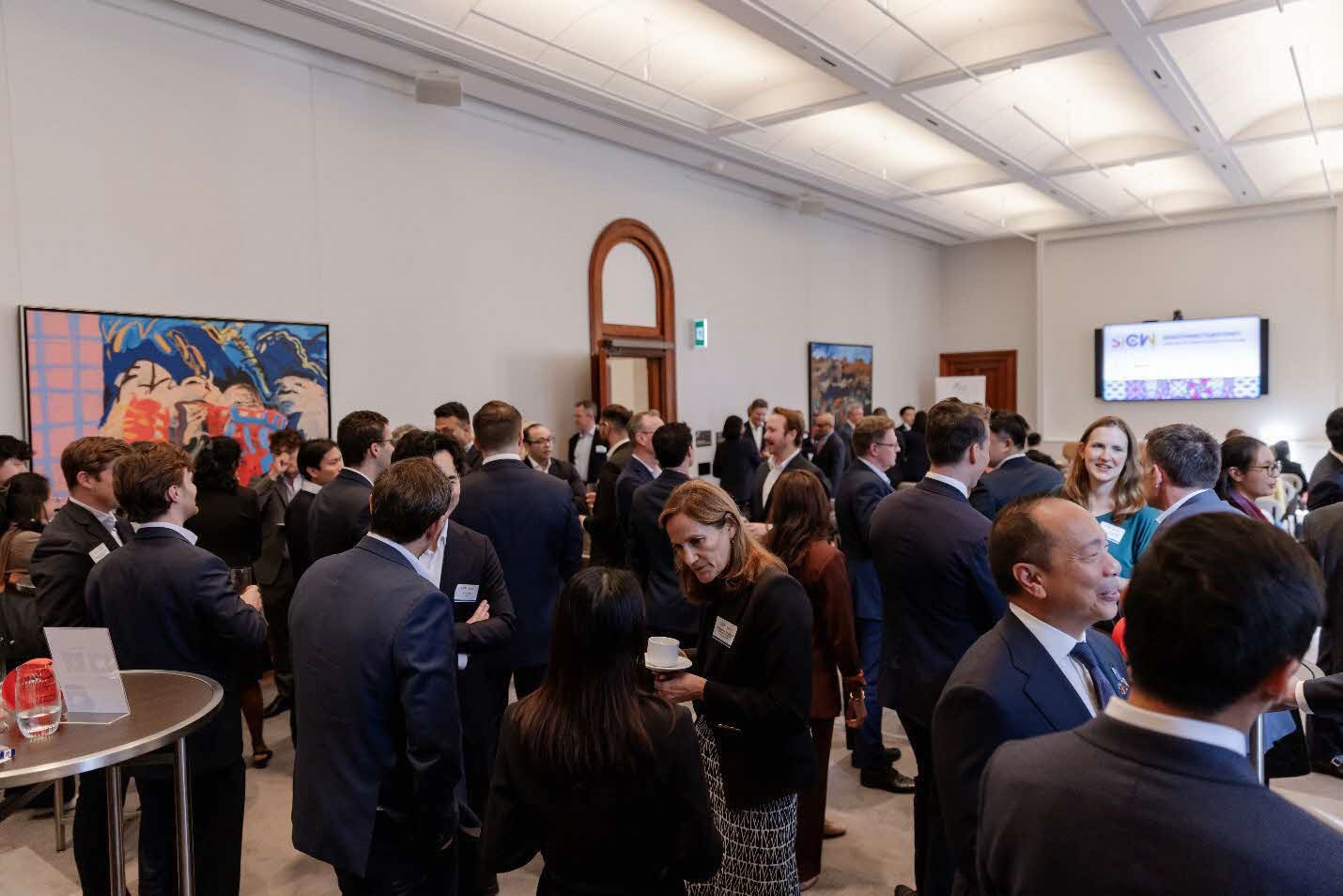
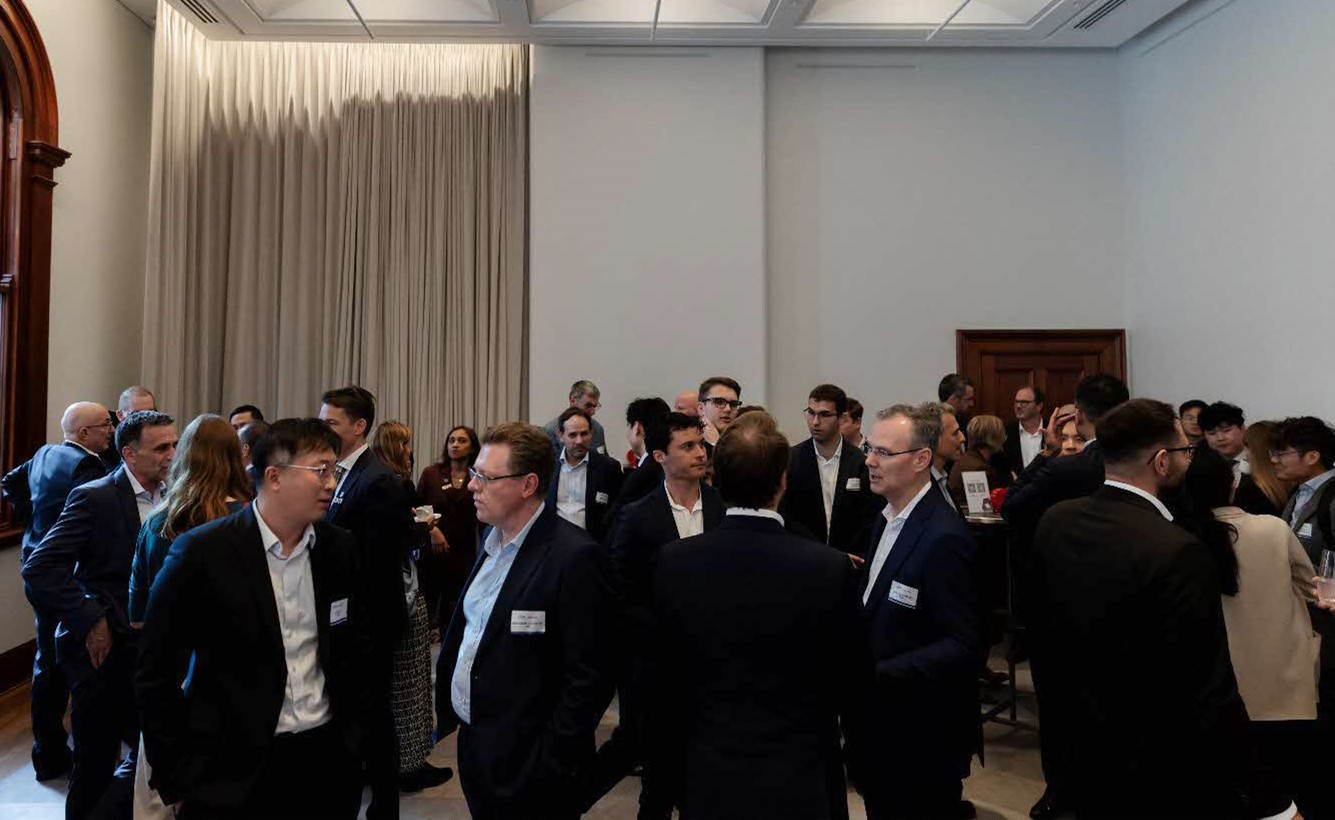
SIEWConnects@Sydney gathered over 100 senior executives from the energy and financial sectors at the Capella Sydney on 23 April. The question was direct. How can financing support the infrastructure needed for the region's energy future?
The discussions brought the Singapore International Energy Week (SIEW) 2026 theme, "Connecting Energy Systems, Powering Tomorrow", into sharper focus. Financing the region's energy future requires more than raising capital. Projects must also be bankable. This requires linking capital, policy, regulation and regional partnerships to projects that can strengthen energy resilience across the region.
Partnerships that can weather a volatile landscape
Opening the event, Mr Puah Kok Keong, Chief Executive, Energy Market Authority (EMA), underscored the growing importance of energy cooperation. Countries face twin pressures: decarbonising their economies while keeping energy systems secure. No country, he noted, can navigate these challenges alone.
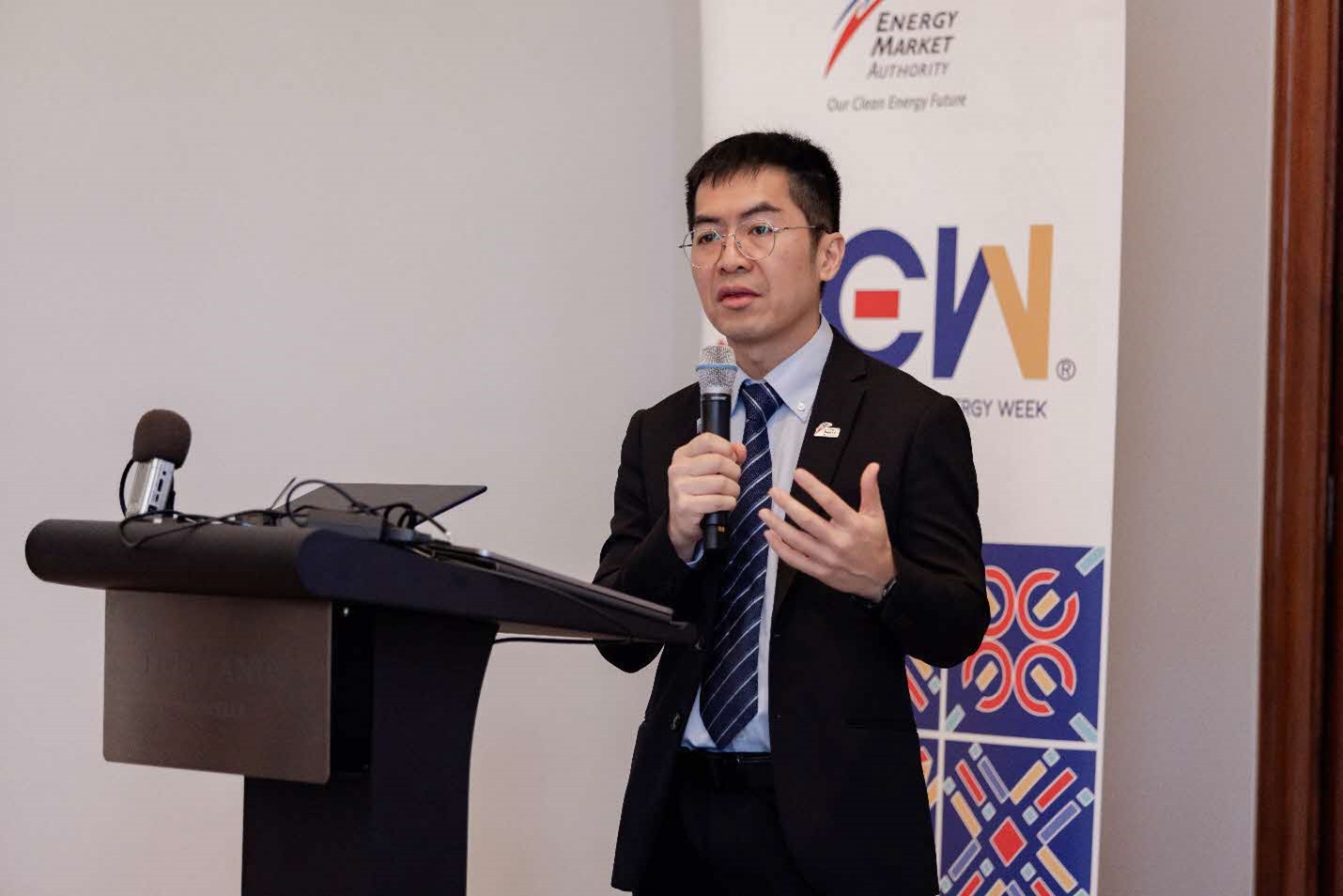
Against this backdrop, Singapore and Australia's longstanding energy partnership takes on greater weight. "While Australia brings strong energy and natural resources, Singapore plays a complementary role as a regional energy trading hub and a gateway for capital and investments into Southeast Asia. Together, this positions our countries well to support the region's energy transition," said Mr Puah.
He added that with natural gas still fuelling around 95 percent of Singapore's electricity needs, energy resilience must be strengthened on two fronts. This means securing more reliable gas supplies for today, while scaling low-carbon solutions such as solar deployment and regional power imports. Regional initiatives such as the ASEAN Power Grid will also be important to diversify future energy sources.
Sydney is therefore a fitting starting point for this year's SIEWConnects. As a regional energy and financial hub, it brings Australia's energy capabilities and capital markets into focus. Both will matter for Southeast Asia's energy transition.
Advancing the region's energy transition
H.E. Anil Kumar Nayar, Singapore's High Commissioner to Australia, reinforced the case for investing in the energy transition as a matter of energy security. Recent shocks, he noted, have shown that even in a digital age, physical energy flows and chokepoints still matter.
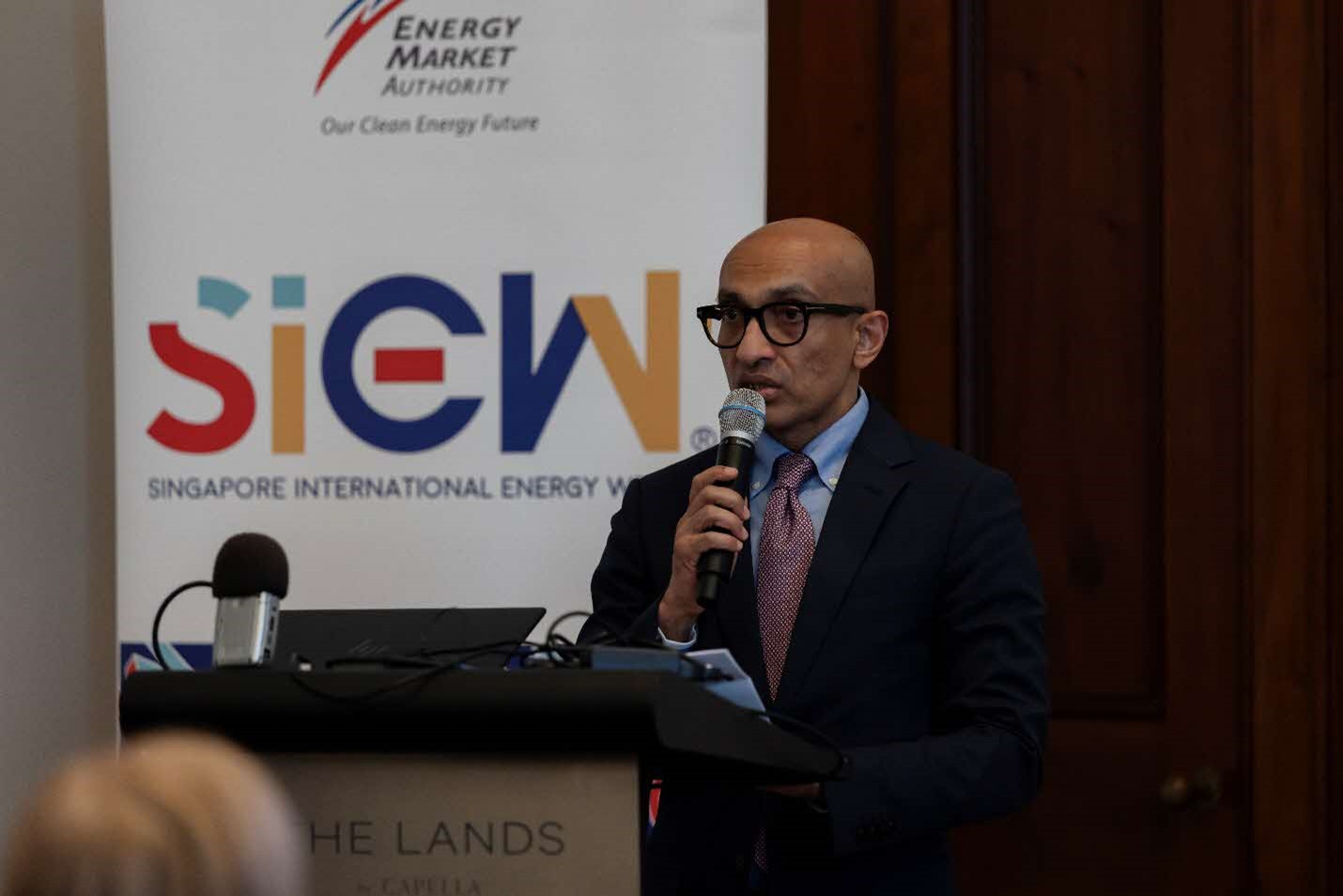
He pointed to Australia's A$175 million commitment to the Financing Asia's Transition Partnership (FAST-P). This blended finance initiative aims to channel capital into Asia's green and energy transition financing needs. Singapore has also pledged up to US$500 million to FAST-P.
ASEAN's electricity demand is expected to double by 2050. H.E. Nayar highlighted the ASEAN Power Grid and the Laos-Malaysia-Thailand-Singapore Power Integration Project (LTMS-PIP) as signs that regional cooperation is moving from concept to implementation.
These initiatives show how energy security and decarbonisation can advance in parallel. To scale, cross-border power flows must be backed by capital, infrastructure and investable frameworks.
Australia's commitment to Southeast Asia
Ms Clare Duffield, Assistant Secretary, Southeast Asia Economic and Communications Branch, Australian Department of Foreign Affairs and Trade, outlined Australia's role in supporting Southeast Asia's energy transition.
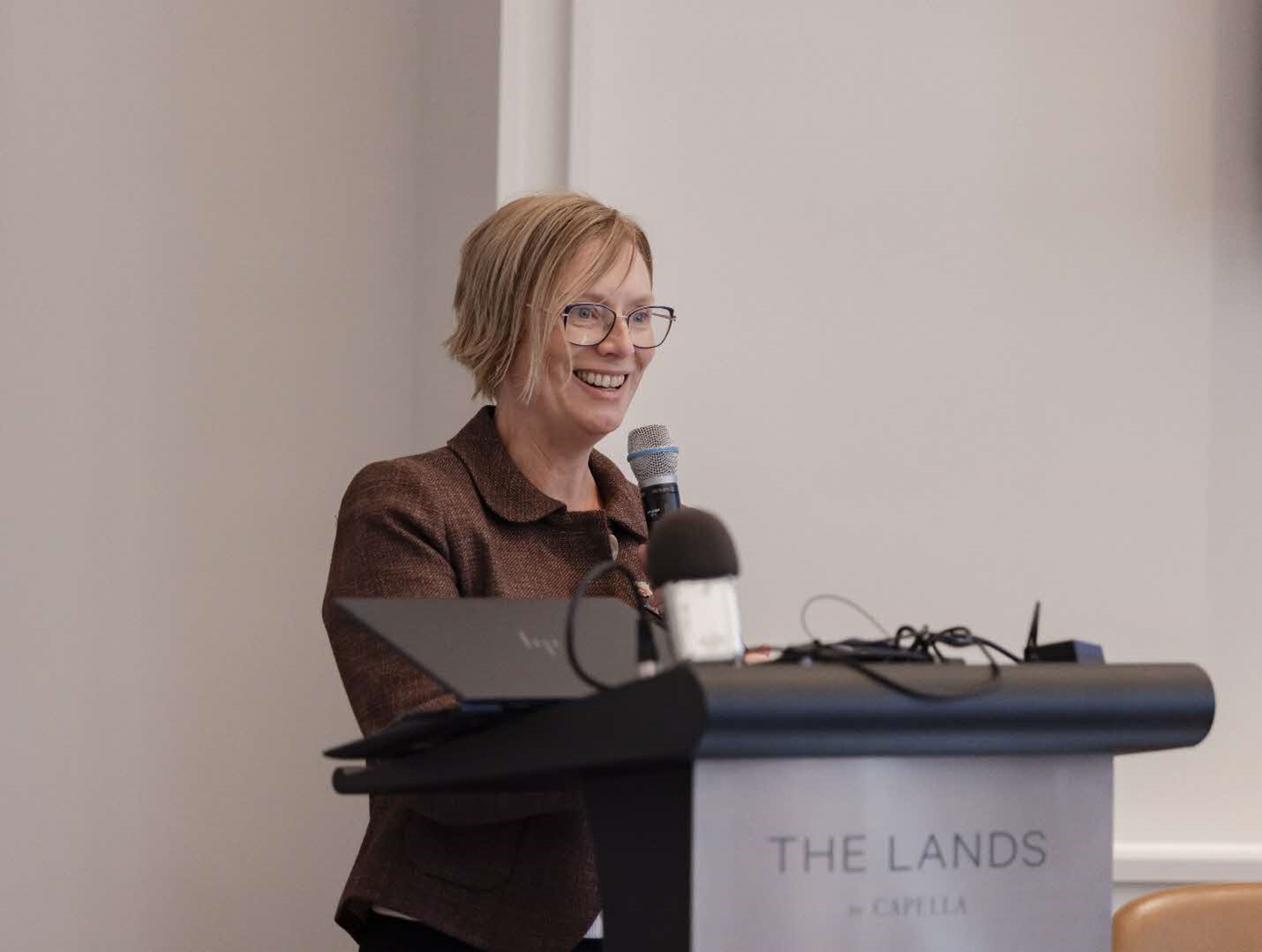
That support goes beyond finance. Ms Duffield pointed to work on policy frameworks, energy system planning and regulatory development. She also highlighted technical assistance through Australia's national science agency Commonwealth Scientific and Industrial Research Organisation, as well as scholarships to build regional capability.
Australia is also working with the region to develop clean energy supply chains and infrastructure. Blended finance and de-risking tools are part of that effort.
Her remarks pointed to a practical role for governments. Before private capital can invest with confidence, markets need rules, planning capacity and skilled people.
Mobilising capital to power the energy transition
During the panel session, "Financing the Energy Systems of the Future", moderator Mr Zac White, Head, Corporate and Project Finance, OCBC Australia, framed the discussion around the realities facing Australia's energy transition. These include slowing wind development, negative pricing, delayed coal closures and the need for firming, storage and networks.
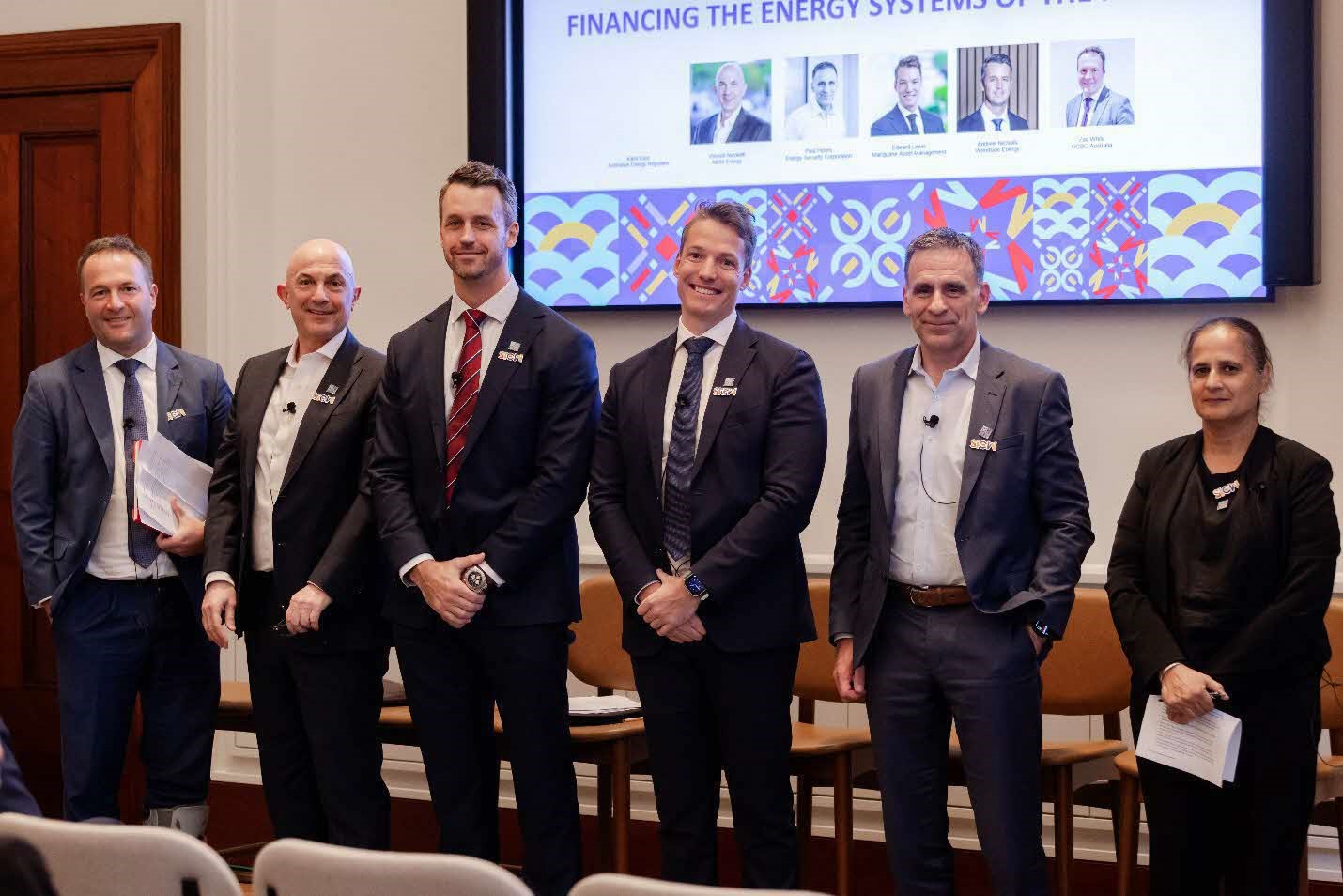
The panel pushed the discussion beyond capital availability. The harder question is whether projects can be made bankable amid grid congestion, market volatility, uncertain revenue signals and rising execution risks.
Mr Paul Peters, Chief Executive Officer, Energy Security Corporation, pointed to the role of public capital in filling gaps that private capital may not yet be ready to take on. This includes long-duration storage, reliability assets and projects where timing or risk remains a barrier.
For private investors, the question then turns to resilience. Mr Vincent Nicoletti, Chief Financial Officer, Alinta Energy, emphasised that strong contracts, downside protection and regulatory clarity matter as much as price. Mr Edward Lewis, Managing Director, Macquarie Asset Management, added that grid access and route-to-market certainty are now central to whether projects can attract long-term investment.
The same logic applies to emerging infrastructure. Mr Andrew Nicholls, General Manager, Carbon Capture & Storage (CCS), Woodside Energy, discussed the role of liquefied natural gas (LNG) as a lower-emissions substitute for coal in power generation. He highlighted the need for CCS to develop as shared regional hubs so projects can reach the scale needed to become commercially viable.
Regulation forms another part of the investment equation. Ms Kami Kaur, Executive General Manager, Network Regulation, Australian Energy Regulator, brought the discussion back to regulation. Stable, predictable and transparent frameworks, she noted, protect consumers while enabling long-term investment in energy networks.
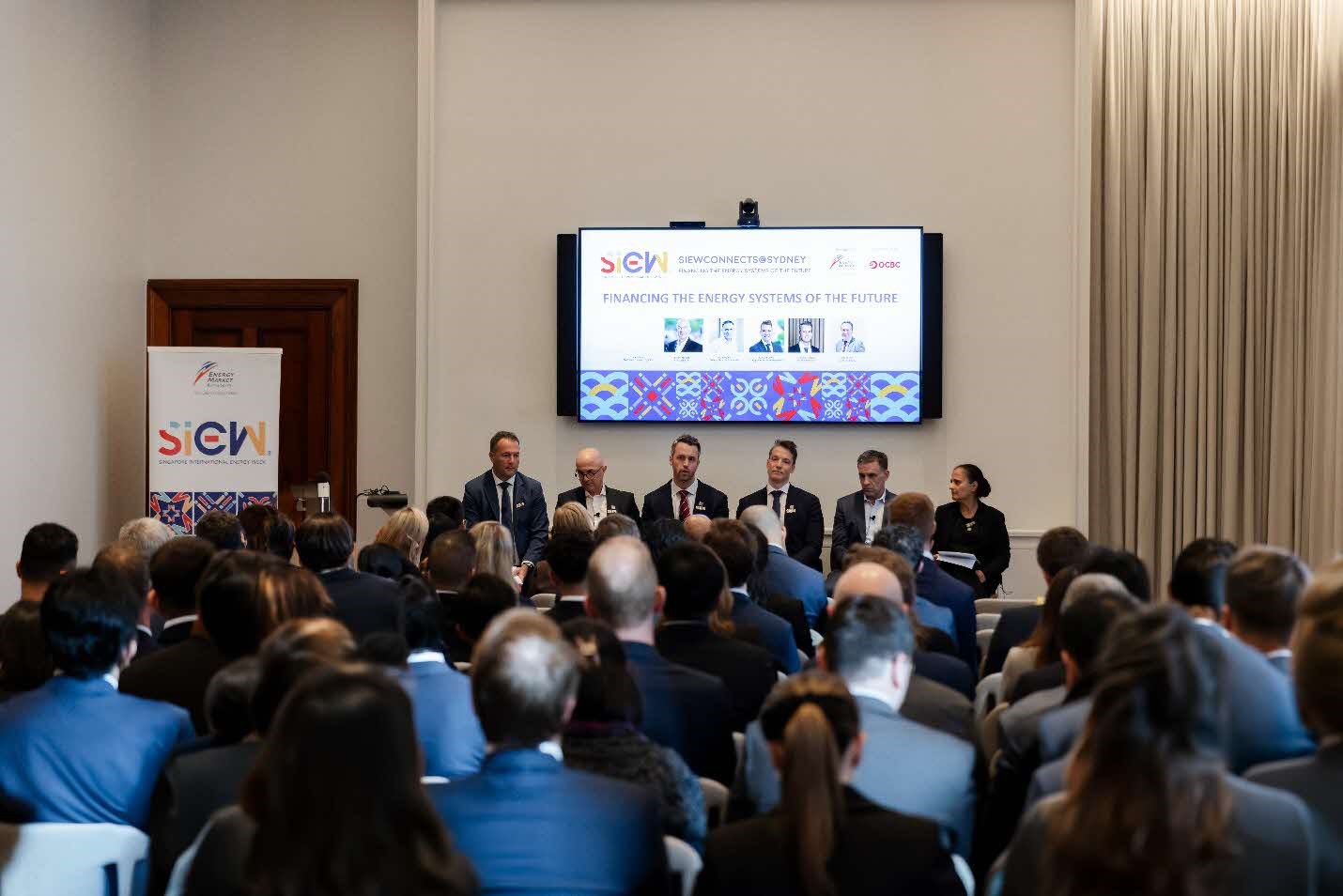
The lesson carried across the panel. Capital can move at scale only when projects have clear revenue models, credible offtake and grid access, backed by market design, policy certainty and regulatory confidence.
Turning conversations into actions
Closing the event, Mr Jason Lee, Managing Director and Country Head, OCBC Australia, highlighted OCBC's A$5 billion commitment to Australia's energy markets. He also stressed the value of dialogues that bring governments, investors, regulators and energy leaders into the same conversation.
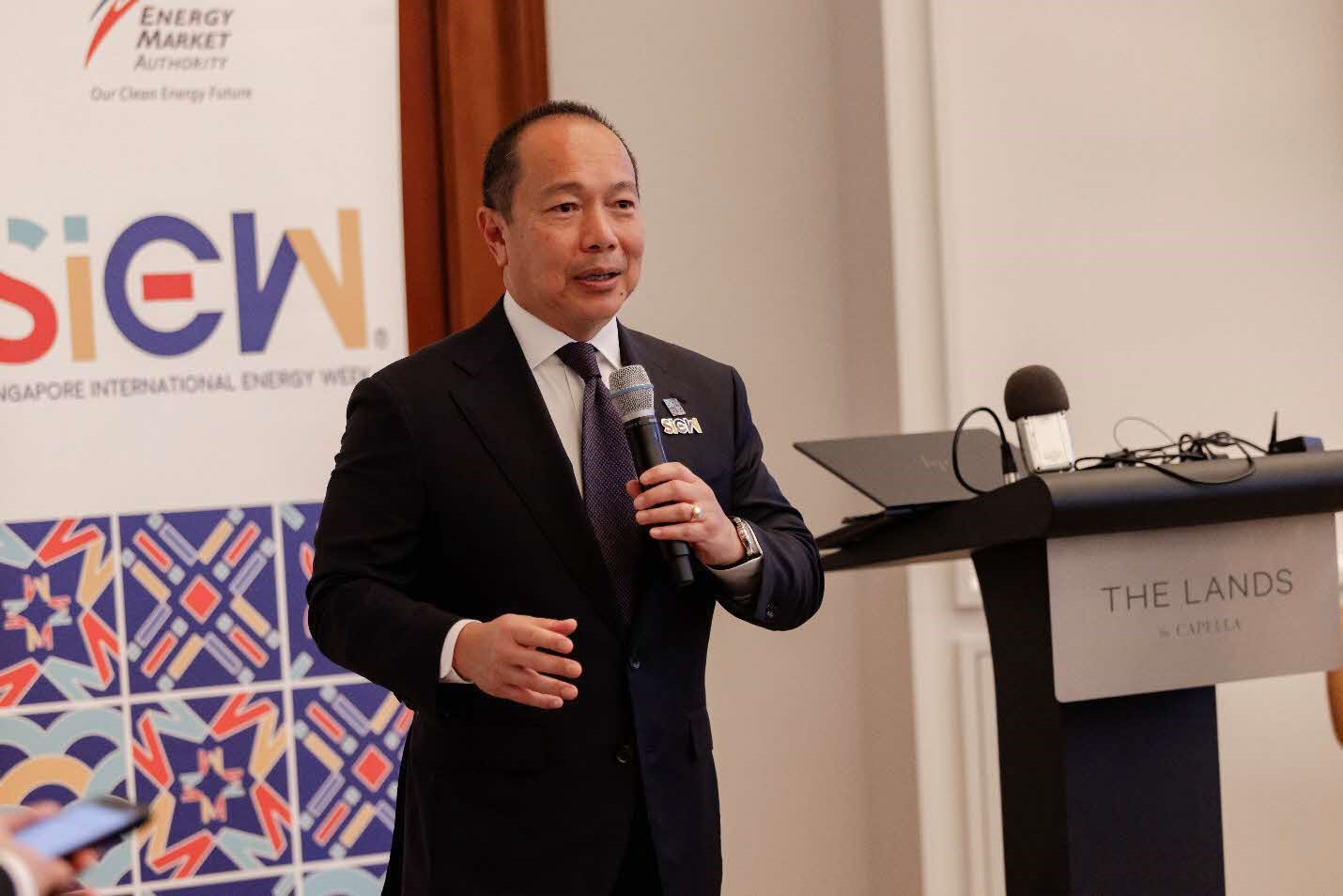
That mix of voices pointed to the work ahead. Financing the energy transition is no longer just about mobilising capital. It also calls for policy certainty, regulatory confidence and cross-border partnerships that can turn energy projects into resilient infrastructure.
As the world looks ahead to SIEW 2026 this October in Singapore, SIEWConnects@Sydney showed that connecting energy systems will require more than shared ambition. The work ahead lies in building the capital, rules and partnerships that move projects from planning to delivery.
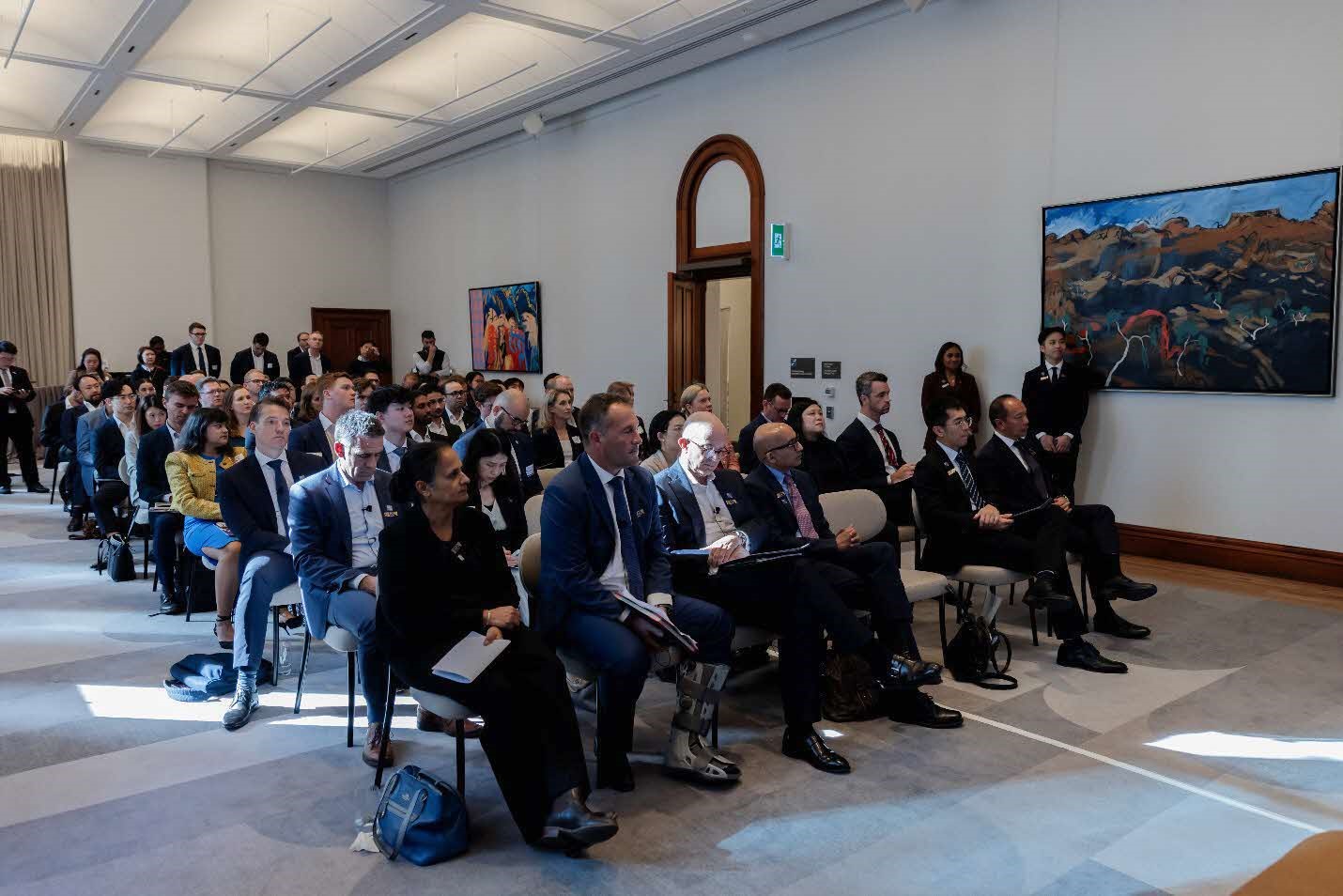
SIEW 2026 will take place from 26 to 30 October 2026 in Singapore. Join global energy leaders to advance the partnerships, policies and investments that will power tomorrow. Register your interest now.