
Bridging old and new energy for a more resilient Asia
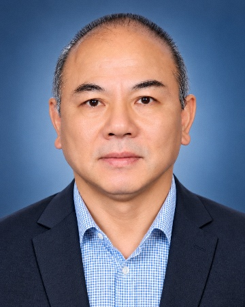
Mr Wu Qiunan, Chief Economist of PetroChina International, shares how disruptions in the Strait of Hormuz are reshaping Asia's approach to energy security. He explores how China's electrification could reshape energy trade and investment across the region. Drawing on his experience on both sides of the energy market, he highlights the importance of resilient cross-border partnerships. He also discusses how integrating conventional and emerging energy solutions can help deliver a secure, affordable and lower-carbon future.
1. The Strait of Hormuz disruptions have prompted Asia to rethink how it sources oil and LNG. Which of these shifts do you expect to last?
The most enduring shift will be in Asia's approach to energy security. Rather than focusing primarily on secure and relatively affordable supplies, the emphasis is shifting towards a more diversified, contractually flexible and storage-backed energy system. This approach also places greater emphasis on the energy transition. Despite its diversification efforts, Asia remains dependent on the Middle East for large-scale oil and gas supplies.
2. China's energy mix is evolving. How might this shape energy trade and investment across Asia?
Oil and gas are often extracted in one location and consumed in another. In contrast, wind and solar energy can be generated locally, closer to where they are consumed. Investment in these renewable energy sources can therefore deliver lasting benefits to local economies while supporting sustainable development and energy security.
As China's energy mix evolves, Asia's energy trade is likely to become less oil-centric and more electricity-centric. Investment priorities will increasingly shift from securing oil and gas supplies towards building up the assets, technologies and resources that support electrification.
China's electrification, together with similar efforts by other countries in the region, could rewire Asia's energy architecture. The shift towards renewables, energy storage, electric vehicles, and high-voltage grid interconnections reduces the region's reliance on additional seaborne oil and gas. At the same time, it places electrification at the centre of energy trade across Asia. As a result, cross-border cooperation in trade and investment could extend beyond fossil fuels to power trading, renewable energy, energy storage systems, and critical mineral supply chains.
3. Electrification is reshaping energy demand across Asia. What does a balanced energy mix look like as this shift gathers pace?
A balanced energy mix is led by renewables, supported by energy storage and dependent on interconnected grids. Its defining characteristic is not the share of any single fuel, but the redundancy and flexibility built into the system.
For Asia's import-dependent economies, the most enduring shift is in how their energy portfolios are structured. Rather than relying primarily on supplies purchased from global markets, these economies are moving towards energy that can be generated, stored and shared domestically and regionally.
The urgency brought about by the current energy supply disruptions may fade over time. However, the infrastructure, contracts and institutional frameworks being developed today will lock in this rebalancing for decades to come.
4. You have worked on both the producer and buyer sides. What keeps cross-border energy partnerships resilient when markets come under strain?
Having worked on both the producer and buyer sides, with companies in the world's largest oil-exporting and oil-importing countries, I have gained perspectives from both ends of the energy market. My experience of the historic collapse in energy demand during the pandemic and today's historic supply disruptions has further shaped my understanding of these relationships.
Through these experiences, I have come to see producer and consumer countries as interdependent partners, rather than simply buyers and sellers. When faced with common external shocks, this interdependence produces more resilient solutions.
My company's culture of "Upholding principles and boundaries, Shared growth through harmony and collaboration" reflects the essence of this partnership.
5. SIEW 2026's theme is "Connecting Energy Systems, Powering Tomorrow". From your vantage point at PetroChina, what does it take to connect renewables and other low-carbon solutions with existing energy systems?
From our perspective, SIEW 2026 is not about replacing traditional energy sources with new ones. The focus is on building an interconnected, multi-energy system. Asia's energy transition must integrate liquefied natural gas (LNG), pipelines, renewables, storage, hydrogen, ammonia and carbon markets.
With operations in over 120 countries, PetroChina is drawing on its oil and gas expertise to scale up clean energy. Through true interconnection, we aim to deliver a secure, affordable and lower-carbon energy future.
About Wu Qiunan, Chief Economist, and Director, Global Market Analysis & Strategy Research Center, PetroChina International
Mr Wu Qiunan serves as the Chief Economist of PetroChina International. He also directs its Global Market Analysis & Strategy Research Center. His career in the energy sector spans more than 30 years. Over 15 of those years have been dedicated to international work.
Mr Wu began his career as a teacher at the Beijing University of Petroleum. In 2001, he joined Saudi Aramco's Beijing office as Deputy General Manager, overseeing crude oil marketing and market research. From early 2010, he helped establish and manage PetroChina International Middle East Co.
He relocated to Singapore in late 2018 to join the management team of PetroChina International (Singapore). There, he established a global market analysis and research team, which he continues to lead.