Singapore - International Energy Agency Forum
| Organiser | Energy Market Authority |
| Date | 30 Oct 2019, 11:00 - 13:00 hrs |
| Venue | Sands Expo & Convention Centre, Marina Bay Sands Singapore |
The IEA will launch its Southeast Asia Energy Outlook 2019 at Singapore International Energy Week this year. The Outlook, the fifth edition of this biannual publication, is one key component of the IEA’s extensive work plan supporting the ASEAN region in 2019, reflecting ASEAN energy ministers’ recent formal call for stronger institutional ties between ASEAN and the IEA.
The Outlook will examine current energy dynamics and challenges in Southeast Asia, then set out detailed forecasts for energy sector development in the region to 2040. The central scenario provides a measured assessment of where today’s policy frameworks and ambitions in Southeast Asia, together with the continued evolution of known technologies, might take the energy sector in the coming decades. Our assessment of the adequacy of this pathway is facilitated by comparison with the Sustainable Development Scenario, in which accelerated clean energy transitions put the world on track to meet goals related to climate change, universal access and clean air.
These forecasts will, for the first time, be complemented by a number of deep dives into specific energy challenges and issues identified by the IEA’s engagement with senior policymakers and other stakeholders, namely the link between regional power system and renewables integration, cooling efficiency, and power sector investment and financial sustainability.
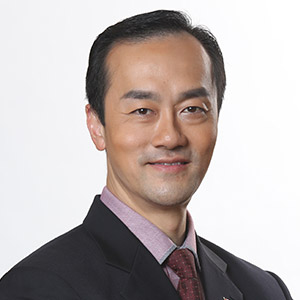
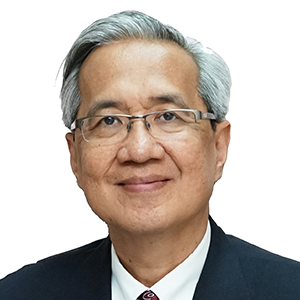
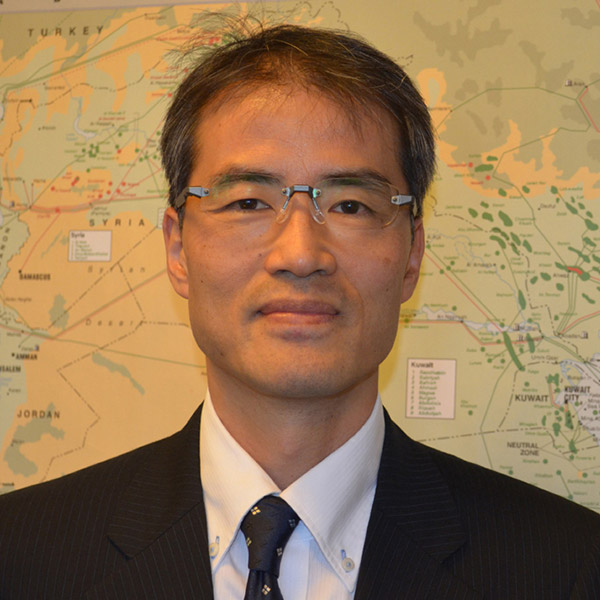
Speakers
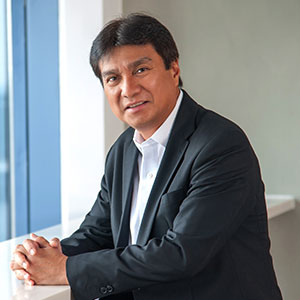



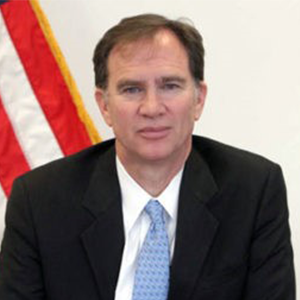
Demand for energy services in Southeast Asia is growing fast and the agenda facing the region's governments is not a simple one. Drawing on the 2019 Southeast Asia Energy Outlook, the panel will examine the choices facing decision-makers, the pathways that can be followed, and the consequences of these choices for energy security and sustainability. The panel will discuss the potential to accelerate clean energy transitions, the policies and instruments that can achieve this, and the opportunities that this presents for governments, investors and citizens.
- What are the key risks that the region faces under a business-as-usual energy pathway, in terms of energy security and sustainability?
- What policy settings, at the national and regional levels, are required to achieve clean energy transitions in Southeast Asia?
- What is the role of the private sector, and investors in particular, in this regard?
- How can policy discourse be increasingly focused on the multiple benefits of the clean energy transition, rather than its challenges?
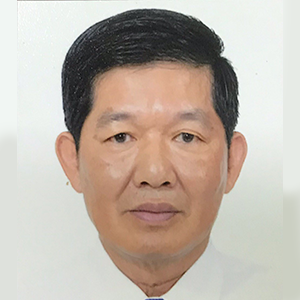
Speakers



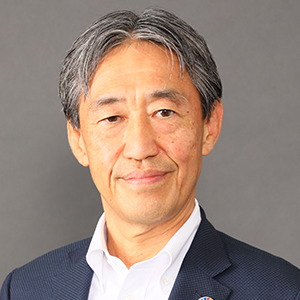


Presented by ENGIE and Senoko Energy
The rapidly falling costs of variable renewables such as solar PV and wind in recent years provide an opportunity for countries to scale up their deployment, and in doing so to diversify power mixes, decrease energy imports and reduce greenhouse gas emissions. However, policymakers in the region are faced with the challenge of integrating variable renewables in to power systems, with considerations on the stability of current power systems. This panel will examine the challenges and opportunities relating to policy, technical and financial aspects of broader power systems integration.
- What are the current barriers to renewables scale-up and integration in Southeast Asia? Why has the region lagged many parts of the rest of the world in this regard?
- How can policymakers tackle the integration challenge in national and emerging regional power markets?
- What role does regional power system integration play in integrating renewables, and how can this process be accelerated?
- What are the current sources of system flexibility that can be unlocked in order to enhance renewables penetration?
Listen to SIEwCast
Episode 2: Financing the Energy Systems of Tomorrow
Watch Interview
Financing the next phase of Southeast Asia's energy transition
Read Articles
SIEWConnects@DBS: Connecting Asia, Powering Growth
SIEW 2026 Sponsors