As economies across Asia attract investment in artificial intelligence (AI), data centres and advanced manufacturing, the next phase of growth will depend on reliable, affordable and lower-carbon energy and how quickly countries can build the cross-border infrastructure needed.
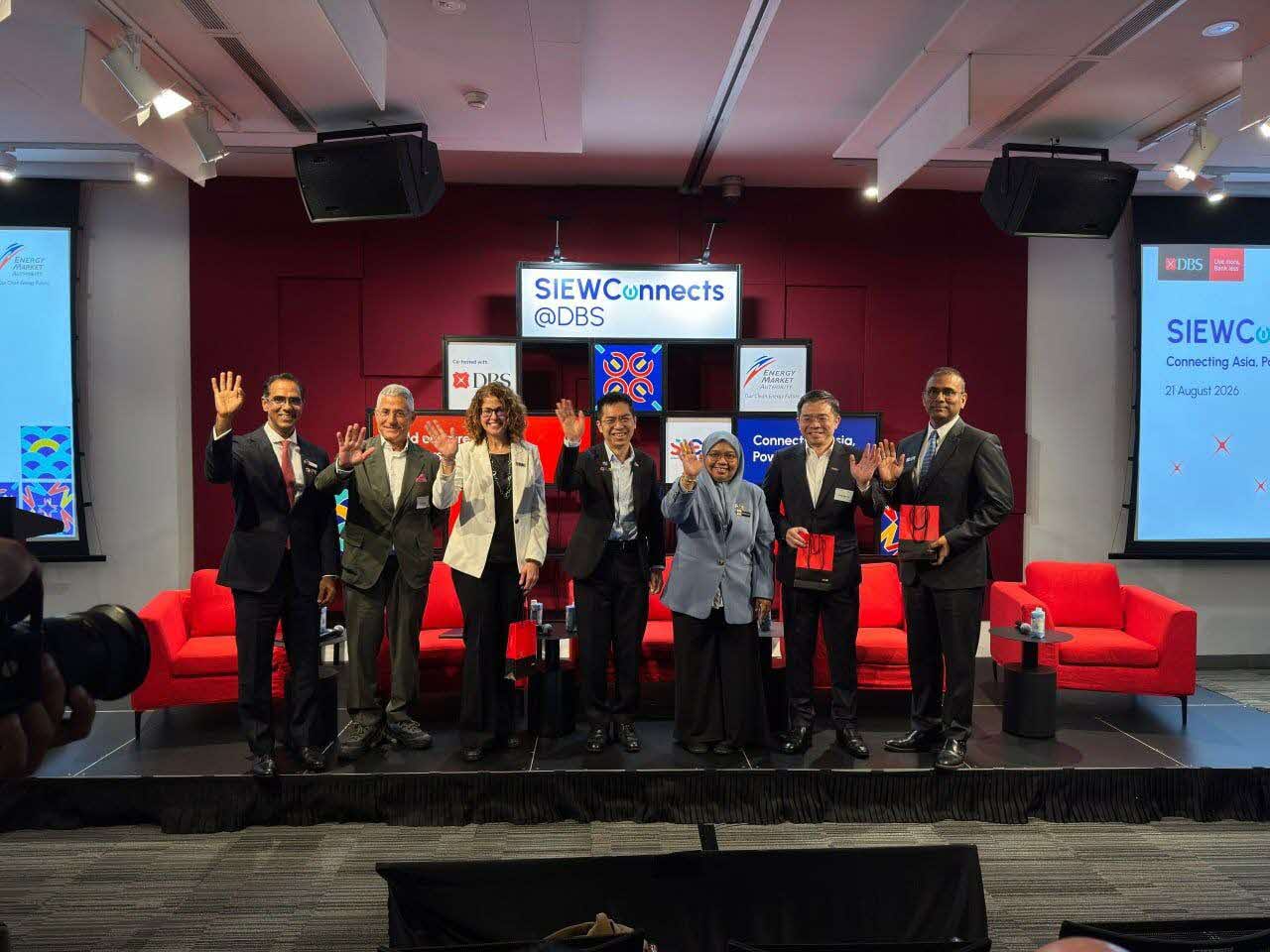
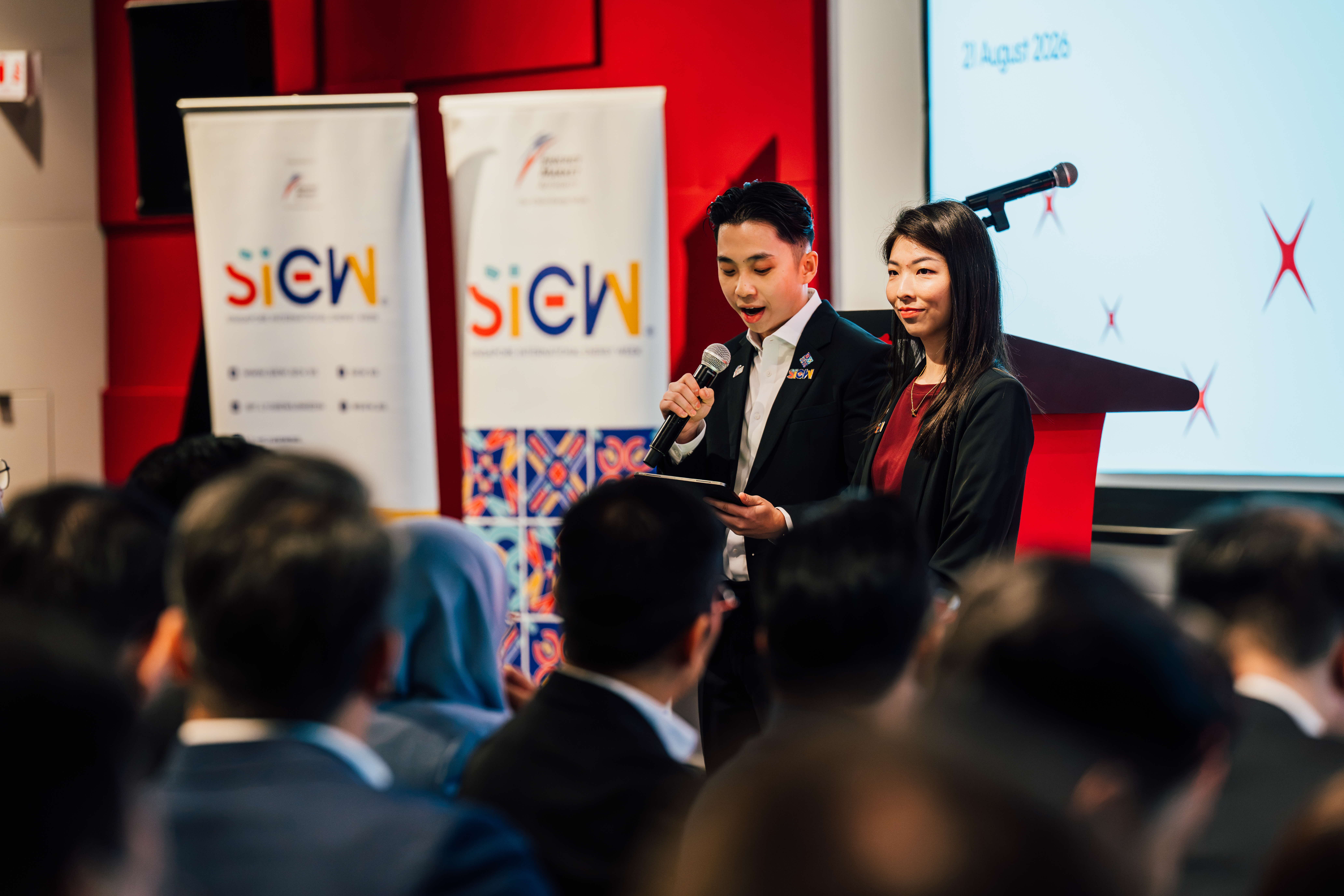
Against this backdrop, SIEWConnects@DBS brought together more than 200 industry leaders, policymakers, developers and financiers on 21 August explored how stronger cross-border partnerships and initiatives such as the ASEAN Power Grid (APG) can strengthen regional energy resilience.
Energy connectivity as a driver of regional resilience
Opening the event, Mr Puah Kok Keong, Chief Executive, Energy Market Authority (EMA), highlighted the importance of stronger grids and regional interconnections in meeting ASEAN’s growing energy demands and supporting a secure, affordable and sustainable energy future.
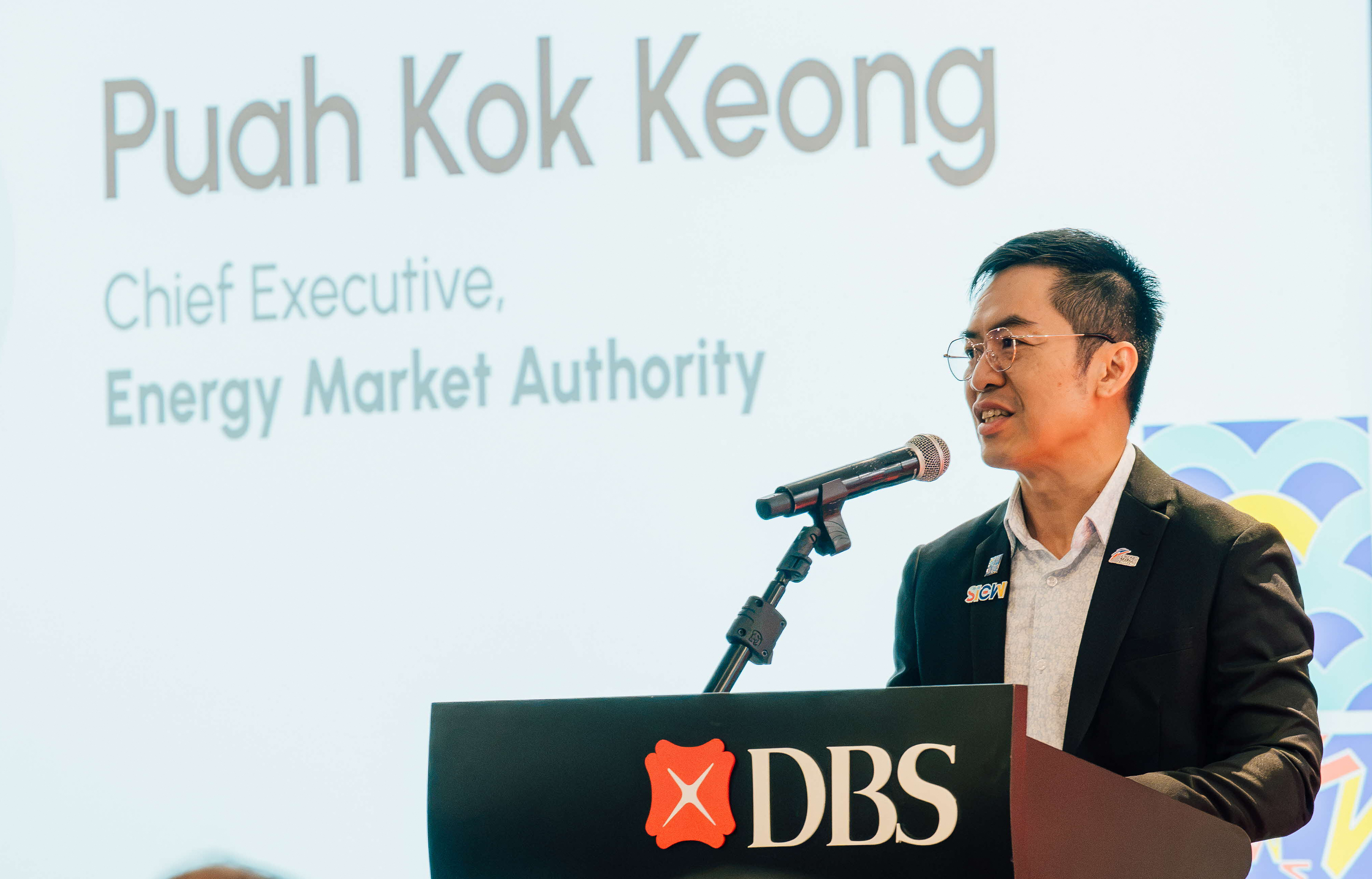
Mr Puah noted that regional electricity consumption has grown ninefold since 1990 and is projected to keep rising 3 to 4 percent annually through to 20401, faster than the global average. The IEA estimates over US$300 billion in grid investment will be needed between 2025 and 2040 to support this growth.
As renewable energy deployments grows across ASEAN, stronger cross-border interconnector investments can help the region make better use of its diverse energy resources, including solar, wind and hydropower. This can enable cleaner power to flow across borders, strengthen energy security and reduce reliance on imported fuels.
Mr Puah emphasised that financing alone will not be enough. Clear and predictable regulations are needed to provide greater certainty for cross-border projects. Closer coordination across the energy ecosystem will also be critical.
“No country or institution can successfully navigate the energy transition on its own. Governments, developers and financiers each hold part of the answer,” Mr Puah added.
Scaling up regional power trades
Mr Han Kwee Juan, Group Head of Institutional Banking, DBS, highlighted how the APG can help countries meet their domestic energy needs while supporting regional development and creating shared benefits across ASEAN, as part of opening remarks.
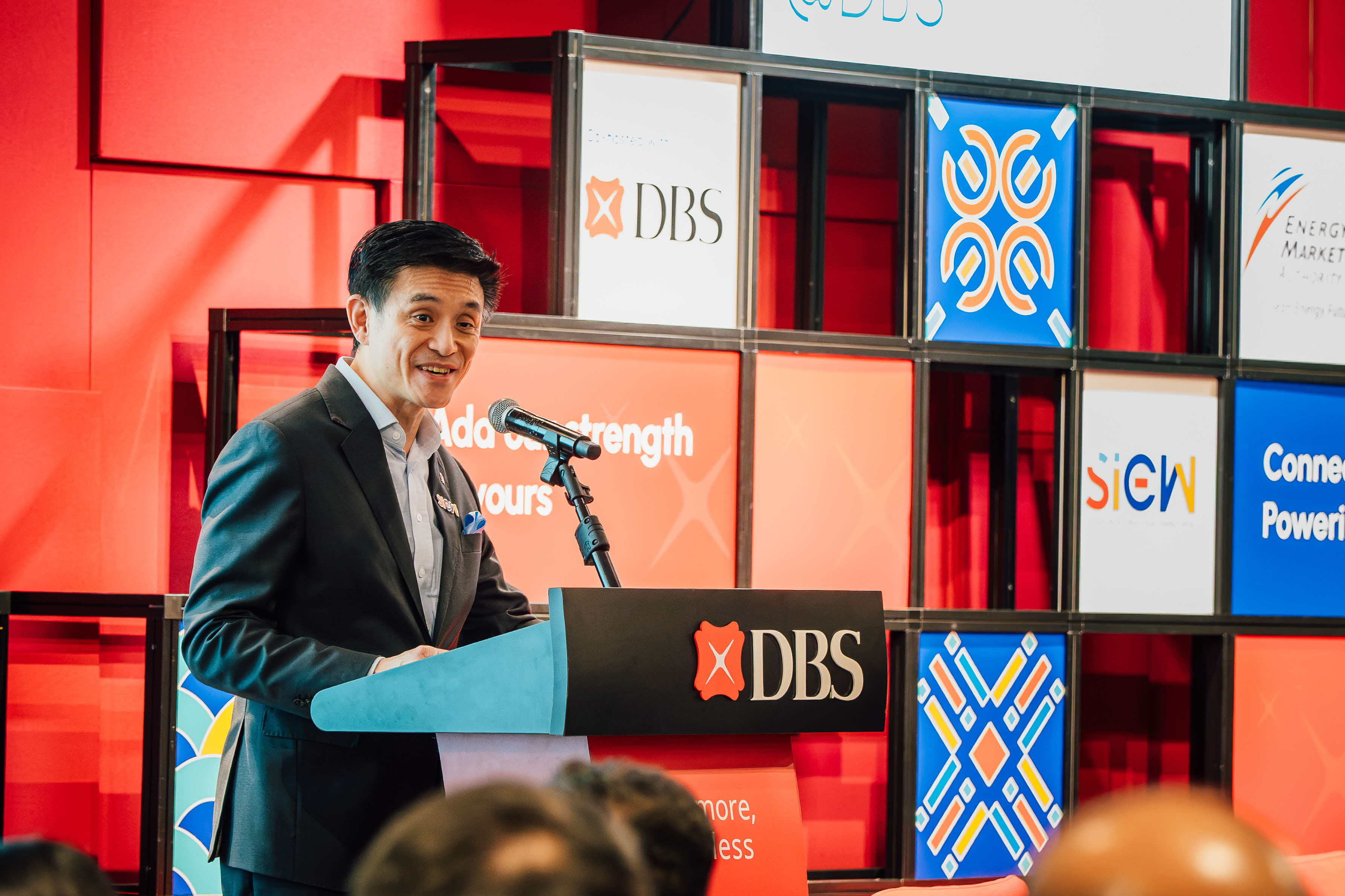
Realising these benefits will require cross-border power projects to move beyond bilateral pilots to commercial scale. Mr Han highlighted the need for feasible, bankable and scalable business models. Close collaboration among governments, regulators, developers, financiers and investors will also be important to ensure that project risks are optimally allocated. Establishing these conditions, he noted, will be important to securing the foundation for ASEAN’s next chapter of growth.
In her Special Remarks, Puan Mareena Mahpudz, Deputy Secretary-General (Energy), Ministry of Energy Transition and Water Transformation (PETRA) of Malaysia, cited the Lao PDR-Thailand-Malaysia-Singapore Power Integration Project (LTMS-PIP) as a key milestone in advancing cross-border power trade in ASEAN.
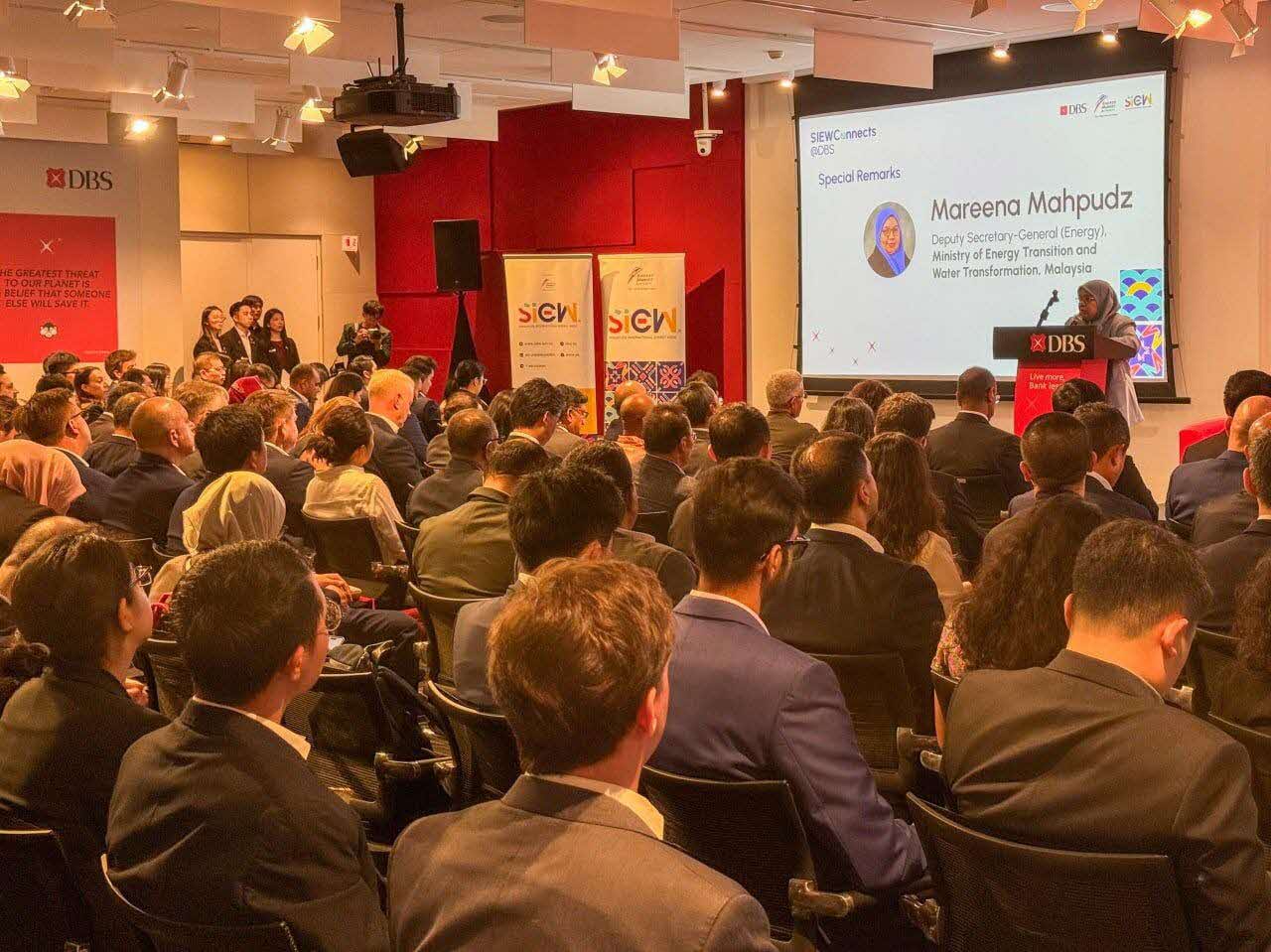
The LTMS-PIP currently transmits up to 200 megawatts of electricity trade across the four ASEAN countries. Puan Mareena Mahpudz shared that Malaysia is looking to advance the next generation of cross-border interconnections, including an ongoing feasibility study for a second interconnector with Singapore with a minimum capacity of 1,000 megawatts.
Moving cross-border projects towards execution
Industry leaders and senior stakeholders explored how stronger energy connectivity can support economic growth, resilience and regional integration.
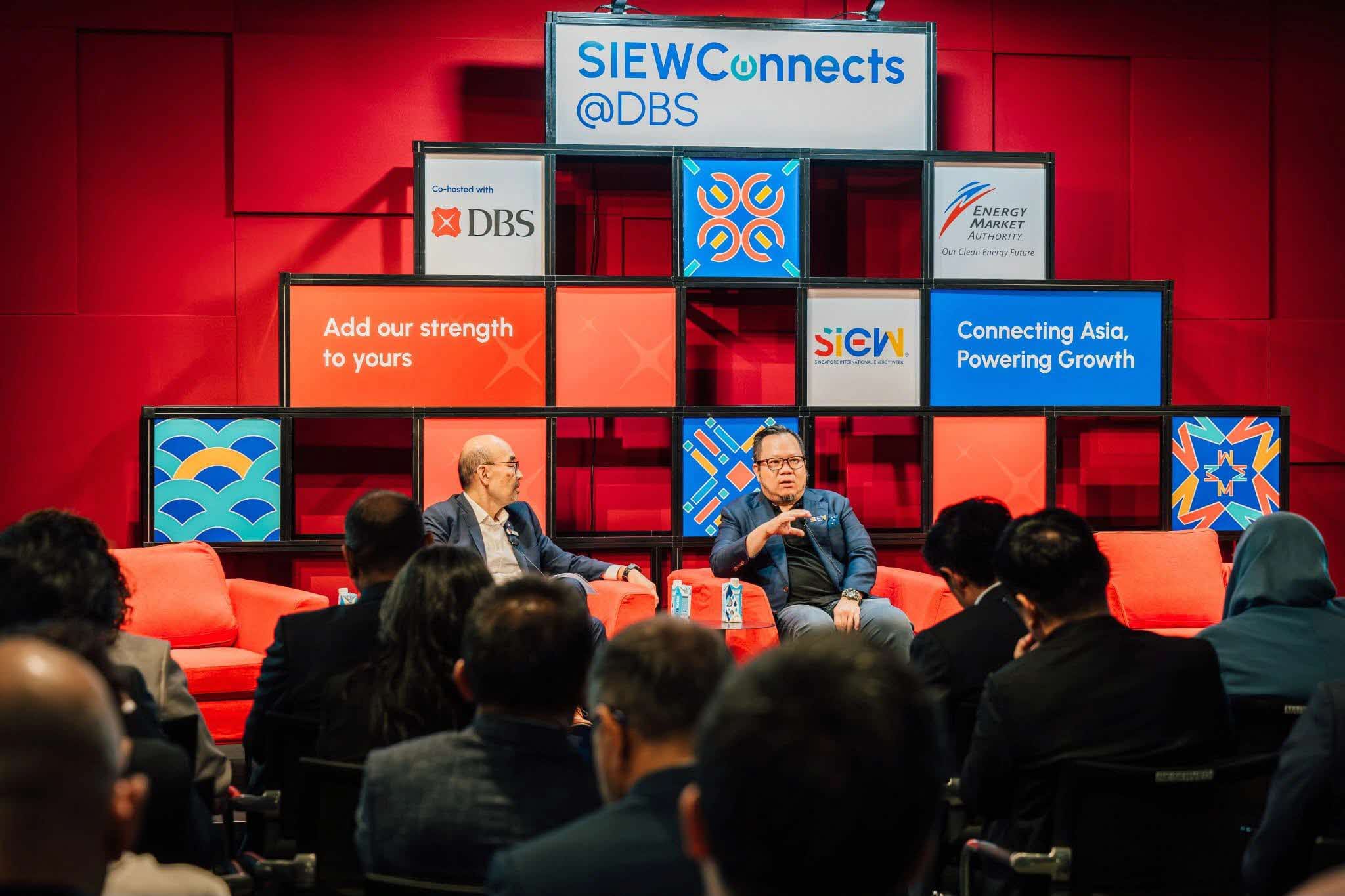
In a fireside conversation, Mr Stefanus Ade Hadiwidjaja, Managing Director, Investments of Danantara Investment Management, and Mr Lim Wee Seng, Group Head of Energy, Renewables & Infrastructure, Sustainability, Project Finance and Strategic Advisory of DBS Bank, delved into how deeper regional partnerships can accelerate connectivity, unlock investment and drive sustainable growth.
The fireside chat was followed by a panel session on the next steps to advance regional connectivity and support Asia’s competitiveness and growth. The session was moderated by Mr Ganesh Padmanabhan, Managing Director, Head of Project Finance at DBS Bank.
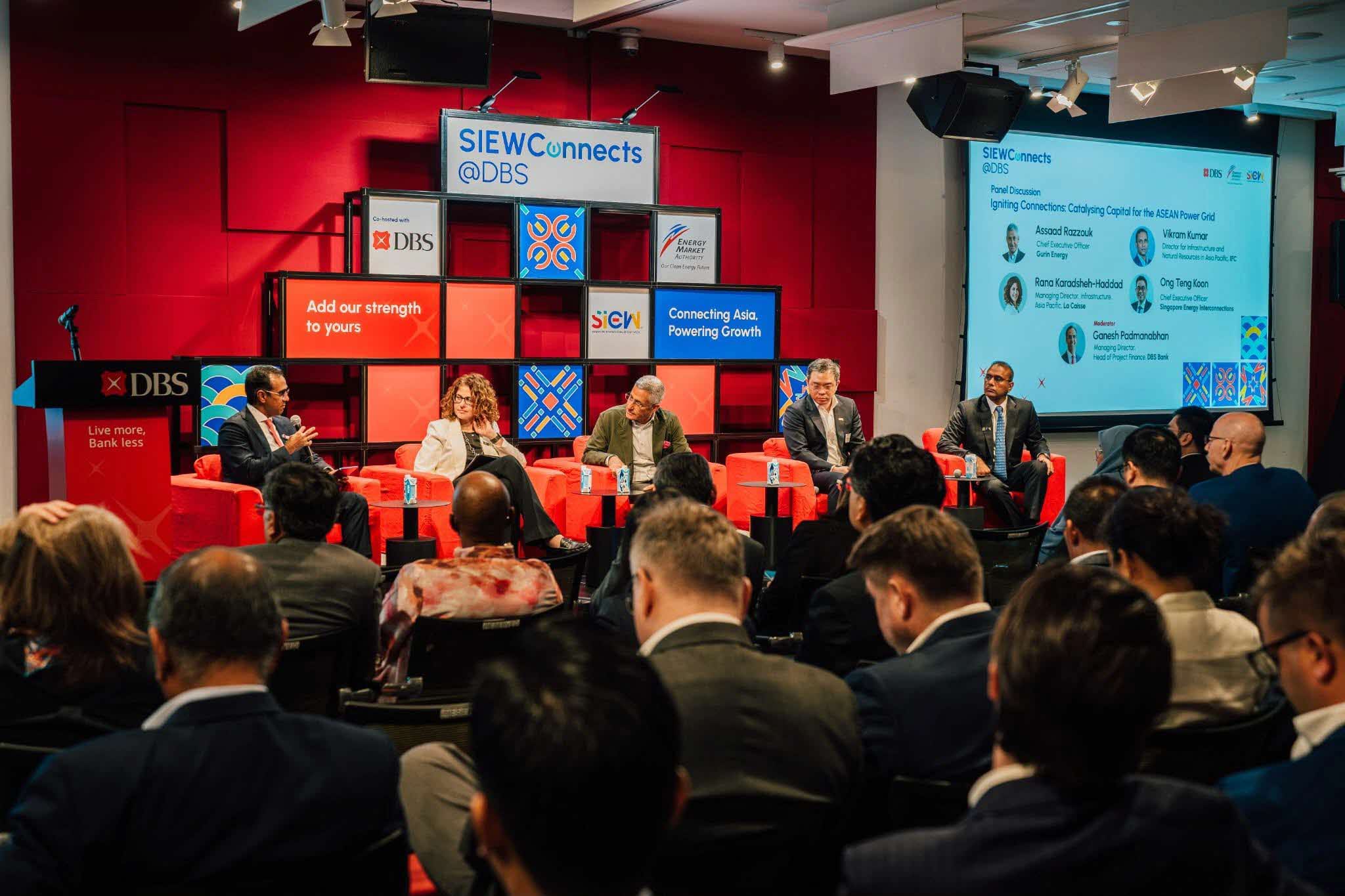
Mr Assaad Razzouk, Chief Executive Officer, Gurin Energy, highlighted that rising electricity demands in the region, particularly from data centres, has added urgency to the development of the APG.
Drawing on global examples, including the rapid build-out of renewable energy and battery storage in Texas, Mr Razzouk emphasised the importance of establishing regulatory frameworks before interconnectors are built. This includes clear rules for connecting new generation projects to national grids and managing curtailment. Early planning is also needed to address constraints such as the limited supply of subsea cables.
Sharing the perspective of developments taking shape in Singapore, Mr Ong Teng Koon, Chief Executive Officer of Singapore Energy Interconnections outlined three key considerations for cross-border projects: regulatory certainty, commercial viability and technical feasibility. He said regulatory certainty can provide greater confidence to financiers and investors, but project costs must also be commercially viable within Singapore’s electricity market and address the technical complexities of connecting different power systems.
Ms Rana Karadsheh-Haddad, Managing Director, Infrastructure, Asia Pacific of La Caisse added that institutional investors typically assess assets over 20 to 30 years and require predictable cash flows. They also tend to invest after projects have been built and stabilised, enabling initial investors to channel their capital into new projects.
Mr Vikram Kumar, Director for Infrastructure and Natural Resources in Asia Pacific of IFC identified clear power trade policies, creditworthy offtake arrangements, and predictable transmission and curtailment rules as important conditions for project bankability. He added that multilateral development banks can support projects at an earlier stage through development-risk capital and engaging with regulators.
SIEW 2026: Connecting Energy Systems, Powering Tomorrow
The discussions at SIEWConnects@DBS underscored that advancing the APG will require more than physical interconnections. Clear regulatory frameworks, viable commercial structures and access to financing will also be critical to strengthening regional cooperation and cross-border power trade.
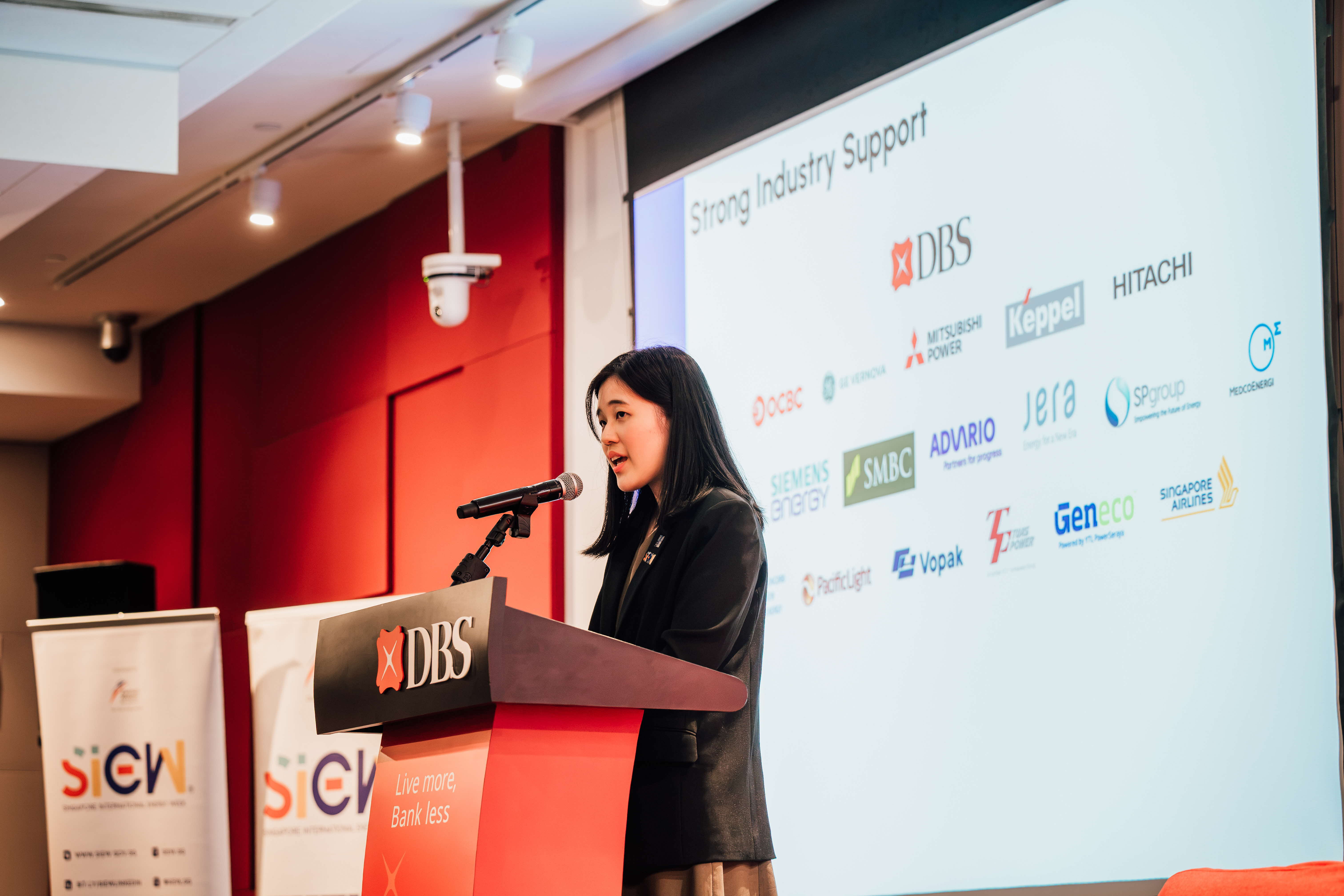
The event also offered attendees a glimpse of what is to come at SIEW 2026. Ms Felicia Teo, Senior Analyst, External Relations Department at EMA shared key programme highlights, including the two-day SIEW Summit and the inaugural IAEA@SIEW Forum
The conversations continue at SIEW 2026 from 26 to 30 October. Join global energy leaders, policymakers and industry experts to exchange perspectives, explore the latest energy developments and build connections across the global energy ecosystem. Register now to enjoy early bird rates!
1 IEA, Financing the ASEAN Power Grid, https://www.iea.org/reports/financing-the-asean-power-grid/executive-summary