Decarbonising Asia: Energy Transformation
| Organiser | Energy Market Authority |
| Date | 25 Oct 2024, 09:30 - 11:40 hrs |
| Venue | Level 4, Orchid Junior Ballrooms |
Along with rapid economic development, Asia has become the world's largest emitter of greenhouse gases, accounting for roughly 51% of global carbon emissions. This dependence on fossil fuels, particularly coal, poses environmental challenges for the region and the world. By transitioning towards cleaner energy sources and improving energy efficiency, Asia can decarbonise to safeguard its environment, public health, and long-term economic prosperity.
This roundtable session will convene key stakeholders from across Asia to explore collaborative strategies for accelerating the region's energy transition. The discussion will focus on:
- Sharing best practices and successful models for decarbonisation initiatives implemented in various Asian countries.
- Identifying key challenges and opportunities specific to the diverse energy needs and resource landscapes across the region.
- Fostering regional cooperation in areas like technology transfer, knowledge sharing, and joint research & development for clean energy solutions.
- Exploring innovative financing mechanisms and investment models to support the large-scale deployment of renewable energy and energy. efficiency measures.
- Addressing the social and economic dimensions of the energy transition, ensuring a just and equitable transition for all communities.
Programme

 Click here to download the presentation
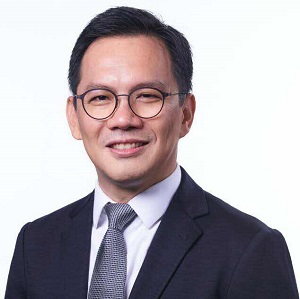
- Dr Zhong Sheng, Senior Research Fellow, Energy Studies Institute – NUS
Click here to download the presentation
Panellists:
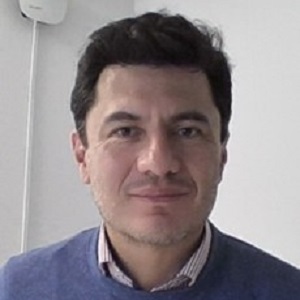

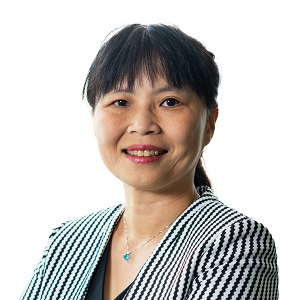
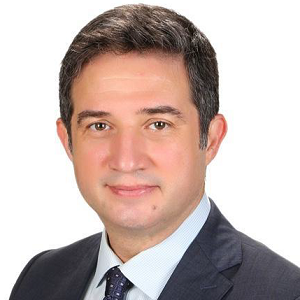
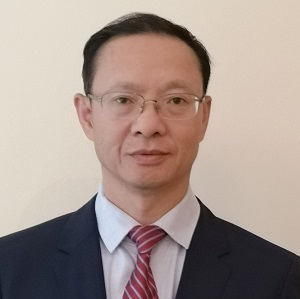
- Dr Zhong Sheng, Senior Research Fellow, Energy Studies Institute, NUS

- The mixture of renewable energy sources and utilization in addressing increasing demand
- The importance of grid modernisation and energy storage for higher renewable energy system
- 100% RE: The potential role of nuclear and emerging fuels (hydrogen, ammonia) in the future energy mix.
- Ensuring a just and inclusive transition away from fossil fuels energy system and industries, including job creation.
Panellists:
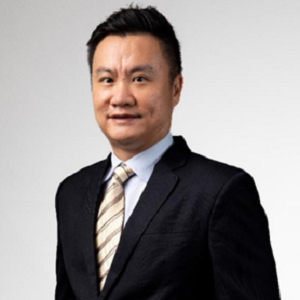



The panel would discuss how to provide the huge investment required for energy transformation pathways, focusing on:
- The role of public-private partnerships in attracting private sector investment into clean energy projects.
- Exploring innovative financing mechanisms like green bonds, carbon pricing schemes, and blended finance models.
- De-risking mechanisms for decarbonization projects, especially energy efficiency.
- The role of multilateral development banks and international financial institutions in supporting Asia's energy transition.
*Programme is subject to changes.
Listen to SIEwCast
Episode 2: Financing the Energy Systems of Tomorrow
Watch Interview
Financing the next phase of Southeast Asia's energy transition
Read Articles
SIEWConnects@DBS: Connecting Asia, Powering Growth
SIEW 2026 Sponsors