Flexible gas supplies can help Asia's power systems respond to changing electricity demand as renewable energy expands. At the Special Session: Gas as the Bridge Between Supply and a Resilient Grid, the discussion examined how long-term gas contracts can offer flexibility. It also highlighted the importance of planning ahead to ensure gas supplies are available when needed.
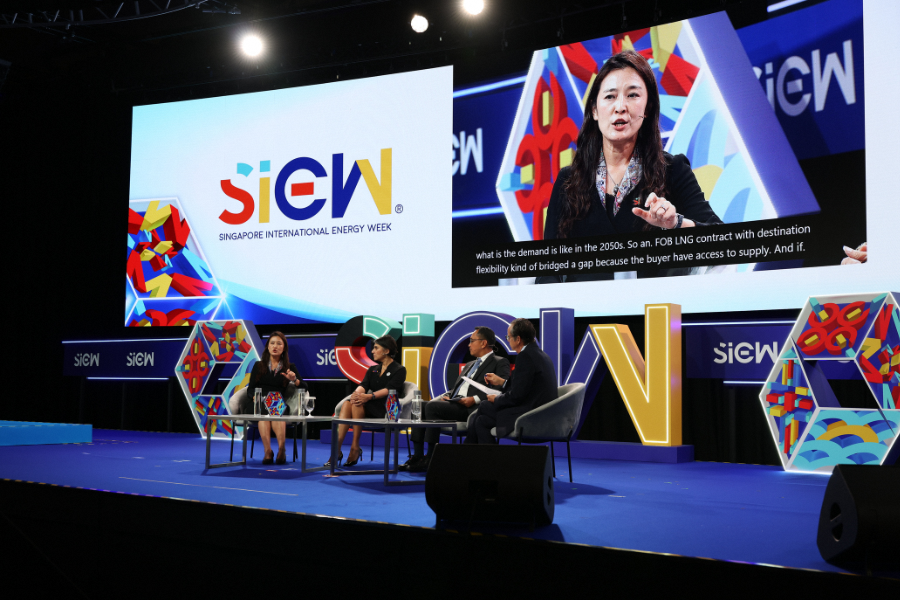
The panellists were Yingying Zhou, Vice President, Head of Asia, Cheniere Energy; Namita Shah, President, Asia and President, OneTech, TotalEnergies; and Rayendra Sidik, Vice President of Commercial, SKK Migas. Martin Houston, Chairman, Omega Oil and Gas, moderated the discussion.
Long-term LNG contracts can offer flexibility
Suppliers developing major liquefied natural gas (LNG) infrastructure often depend on long-term customer commitments to support investment. Buyers, meanwhile, face uncertainty over future gas demand and where cargoes will be needed. This is where long-term contracts with flexible terms can help meet both parties' needs, Ms Zhou explained.
She pointed to free-on-board (FOB) contracts with destination flexibility. Under these arrangements, buyers can organise shipping and redirect cargoes when domestic demand changes. For Ms Zhou, a resilient supply portfolio also requires dependable suppliers, diversified sources and contracts linked to different pricing benchmarks.
Gas, renewables and storage support grid reliability
Securing LNG is only one aspect of grid resilience. Power systems must also manage different sources of electricity as demand changes.
Ms Shah described renewable generation, battery storage and gas-fired power as complementary elements of an integrated electricity system. Wind and solar generation vary with weather conditions. Batteries provide flexibility, while gas-fired plants can adjust their output to meet demand.
She emphasised the need to manage different energy sources together. This means coordinating solar, wind, batteries and gas-fired power, rather than treating each separately.
Looking ahead, Ms Shah highlighted the potential of sodium-based batteries to provide longer-duration energy storage. However, this would depend on further technological advances.
Artificial intelligence could improve grid modelling and help countries better anticipate electricity supply and demand. That said, Ms Shah cautioned that building these models requires extensive data. Access to government-held data could be a challenge.
Early planning helps align gas supply with demand
While technology can help power systems manage changing electricity needs, securing enough gas also requires advance planning.
Mr Sidik illustrated this challenge through Indonesia's competing domestic gas needs. Gas is needed for power generation, fertiliser production and other industries. Rather than responding only after demand emerges, he emphasised planning ahead and aligning gas supply with future customer requirements.
Mr Sidik explained that new gas projects need commitments from customers. These commitments can also help attract financing. Gas projects take considerable time to develop. This makes early coordination between producers and power-sector customers important.
The need for early commitments extends beyond individual gas projects. Flexible LNG contracts can help buyers respond to changing demand. Coordinating different sources of electricity can also support grid reliability.
Ultimately, grid resilience depends on both flexibility today and planning for future energy needs.
Stay tuned as the conversation evolves throughout the day. Follow @SIEW_sg on Telegram and X (formerly Twitter) for the latest insights.