Singapore is strengthening its energy resilience and expanding its power infrastructure to meet growing electricity demand. It is also pursuing diverse low-carbon energy options amid global supply disruptions.
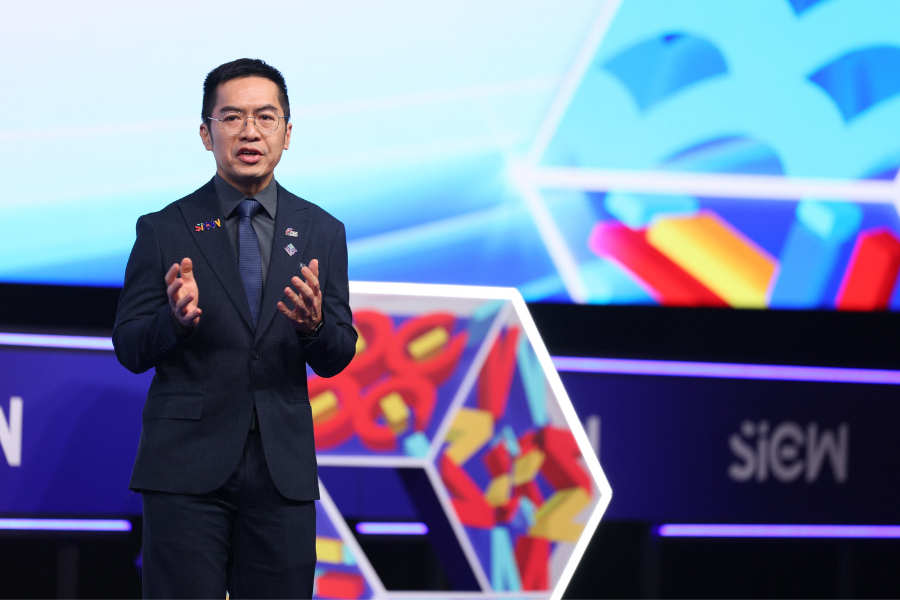
At the opening of the Singapore International Energy Week (SIEW) 2026, Puah Kok Keong, Chief Executive, Energy Market Authority (EMA) of Singapore, highlighted the importance of partnerships in strengthening energy resilience. This year's theme, “Connecting Energy Systems, Powering Tomorrow”, reflects the importance of collaboration across the global energy community.
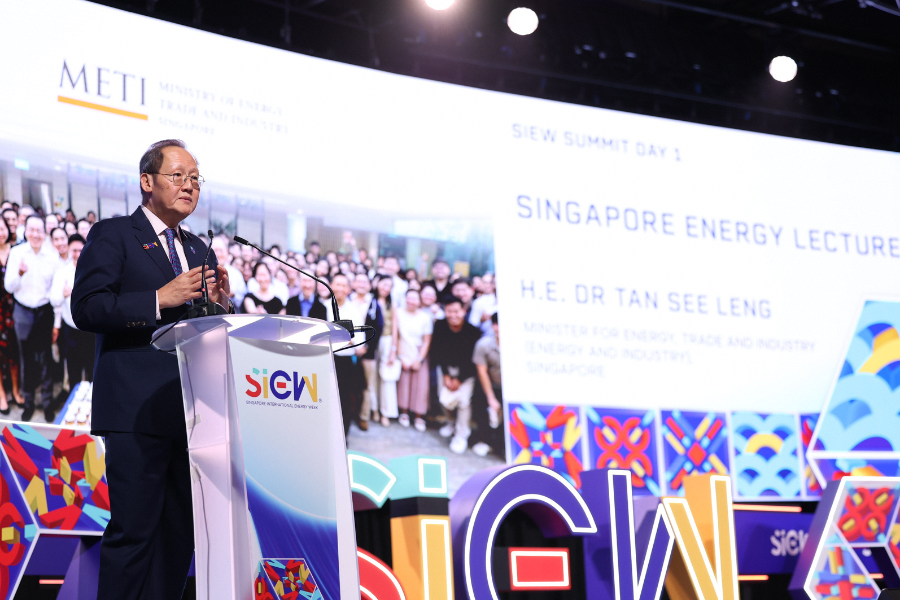
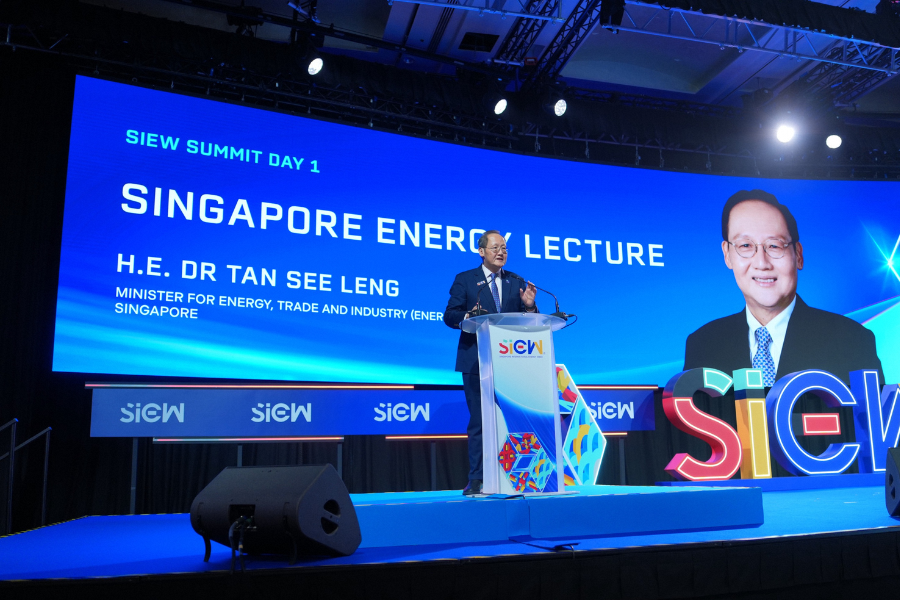
H.E. Dr Tan See Leng, Minister for Energy, Trade and Industry (Energy and Industry), Ministry of Energy, Trade and Industry, Singapore, delivered the Singapore Energy Lecture. He outlined five priorities for Singapore's energy future: Confidence, Competitiveness, Carbon, Connectivity and Cost.
Confidence: Strengthening energy security
Under Confidence, H.E. Dr Tan emphasised the need to safeguard Singapore's energy supplies amid global disruptions. The country's measures include diversified liquefied natural gas (LNG) sources, fuel reserves and international cooperation.
Singapore and Saudi Arabia announced their joint intent to establish an arrangement for Saudi crude oil storage at Jurong Rock Caverns from the second half of 2027. The proposed arrangement aims to strengthen Singapore's energy security during supply disruptions while supporting the resilience of Saudi crude oil supplies in Southeast Asia.
Competitiveness: Building infrastructure for growing demand
The second priority, Competitiveness, focuses on ensuring that Singapore's power infrastructure can support economic growth.
To meet rising electricity demand, the Energy Market Authority (EMA) announced its Five-Year Energy Infrastructure Plan. Five new natural gas-fired power plants are expected to come online between 2026 and 2031. Together, they will increase Singapore's generation capacity by 26 percent from today's approximately 12 gigawatts (GW).
The grid will also expand. Seven new substations will be built by 2031. Singapore's underground transmission cable network will grow from around 7,700 kilometres today to approximately 9,100 kilometres by 2030.
Energy storage is another priority. H.E. Dr Tan announced an industry consultation on a National Energy Storage Systems (ESS) Vision. Singapore aims to increase storage capacity from approximately 350 megawatt-hours (MWh) today to just over 1 gigawatt-hour (GWh) by 2030.
Carbon: Developing Singapore's low-carbon options
Under Carbon, Singapore is exploring technologies that could help reduce emissions over the longer term.
Solar deployment is set to expand to 4 gigawatt-peak (GWp) by 2035. A proposed pilot involving EDP APAC and GCL Perovskite would test next-generation tandem perovskite-silicon panels in Singapore. This is intended to be the first project under the Singapore Pilots for Energy and Enterprise Decarbonisation (SPEED) programme.
H.E. Dr Tan announced a $75 million Power Decarbonisation Funding Initiative to support low-carbon technologies for cleaner and more secure power generation.
Nuclear energy is another pathway under consideration. An International Atomic Energy Agency (IAEA) Integrated Nuclear Infrastructure Review Mission is planned for 2027. It will independently assess Singapore's preparedness in areas such as nuclear safety, radioactive waste management and emergency planning.
H.E. Dr Tan also announced two Nuclear Manpower Development Programmes for the public sector and industry. The National University of Singapore and Nanyang Technological University are working towards launching a joint master's programme in nuclear engineering in 2027.
Preliminary geothermal studies, meanwhile, indicate a technical resource potential exceeding 60 times Singapore's annual electricity consumption. This does not represent commercially recoverable electricity. EMA has appointed Surbana Jurong and GLJ Ltd to study the feasibility of deploying next-generation geothermal power plants. The study will assess whether Singapore's geothermal resources can be harnessed safely and economically.
No decision has been made on deploying nuclear or geothermal energy in Singapore.
Connectivity: Strengthening regional energy links
Connectivity forms the fourth priority, with regional electricity imports offering Singapore access to more low-carbon energy sources.
H.E. Dr Tan announced that EMA would award Sembcorp Utilities Conditional Approval to import up to 1.3 GW of renewable electricity from and through Peninsular Malaysia.
Marine surveys have also commenced for a proposed subsea interconnector that could add up to 2 GW of interconnection capacity by 2030.
These projects could expand Singapore's electricity import options. However, H.E. Dr Tan stressed that import projects must offer competitive prices compared with other ways of reducing emissions.
Cost: Keeping the transition affordable
The fifth priority, Cost, recognises that Singapore's energy transition must remain commercially sustainable.
H.E. Dr Tan emphasised that decarbonisation should not compromise energy security or impose undue costs on households and businesses.
Targeted support, including rebates and energy efficiency grants, will help manage the impact of energy costs.
Stay tuned as the conversation evolves throughout the day. Follow @SIEW_sg on Telegram and X (formerly Twitter) for the latest insights.