Energy security in Southeast Asia increasingly depends on diversified energy sources, resilient supply chains and stronger regional cooperation.
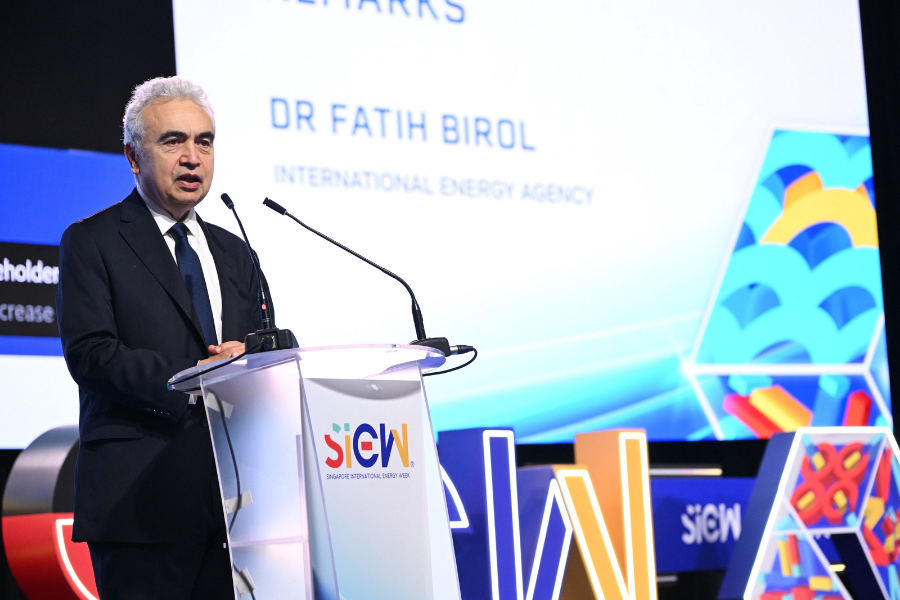
At the 10th Singapore-International Energy Agency (IEA) Forum, Dr Fatih Birol, Executive Director, IEA, and the Honourable Sharon S. Garin, Secretary, Department of Energy, Republic of the Philippines, outlined priorities for strengthening regional energy resilience amid growing geopolitical uncertainty.
Deepening Singapore-IEA cooperation
Dr Birol announced plans to significantly expand the IEA Regional Cooperation Centre in Singapore, strengthening the agency's support for Southeast Asian countries as they navigate increasingly complex energy challenges.
Beyond traditional vulnerabilities involving oil, gas and electricity, countries must increasingly address risks arising from concentrated clean energy supply chains, Dr Birol noted. To support regional preparedness, the IEA is undertaking a comprehensive ASEAN Energy Security Review to assess vulnerabilities and provide practical recommendations for strengthening energy security.
Diversifying energy sources
The Honourable Ms Garin outlined the Philippines' approach to strengthening energy security through diversification, regional cooperation and investment. She emphasised the importance of a balanced energy mix that maintains reliability and affordability as renewables expand. Natural gas can provide system flexibility, supported by energy storage and potential future nuclear capacity.
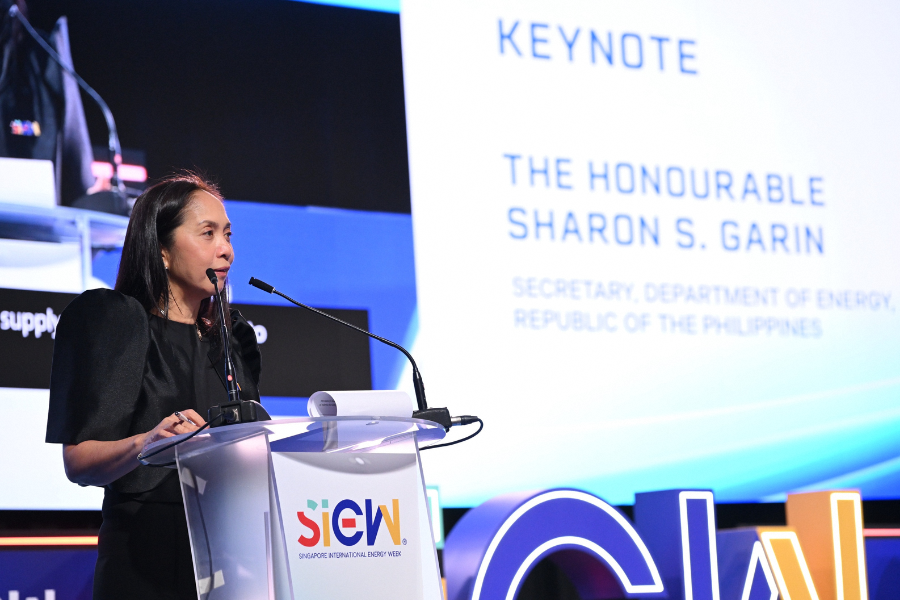
According to the Honourable Ms Garin, renewables already account for more than a quarter of the Philippines' power generation, with targets of 35 percent by 2030 and 50 percent by 2040. The Philippines is also preparing its first mid-merit natural gas capacity auction, targeting 3,840 megawatts (MW) of gas-fired capacity across its two main grids.
Turning regional cooperation into investable energy projects
The Honourable Ms Garin highlighted the ASEAN Power Grid as a means to diversify electricity supply and strengthen resilience during disruptions. She stressed that effective interconnection requires more than physical infrastructure. Coordinated planning, compatible regulations, commercially viable arrangements and sustained investment are also essential.
To attract long-term capital, she called for policy continuity, transparent regulations and credible project timelines. The Philippines is streamlining energy project permitting through its Energy Virtual One-Stop Shop to give developers greater visibility across the project cycle.
Both speakers emphasised the need for practical measures to address Southeast Asia's evolving energy security risks. From strengthening supply chain resilience to diversifying energy sources and advancing regional interconnections, cooperation and investment will be critical to building secure, reliable and affordable energy systems.
Follow @SIEW_sg on Telegram and X (formerly Twitter) for the latest insights and updates.