Energy security increasingly depends on diversified energy sources, resilient infrastructure and stronger regional connectivity. Four energy leaders addressed these issues in their opening remarks on Day 2 of the SIEW Summit.
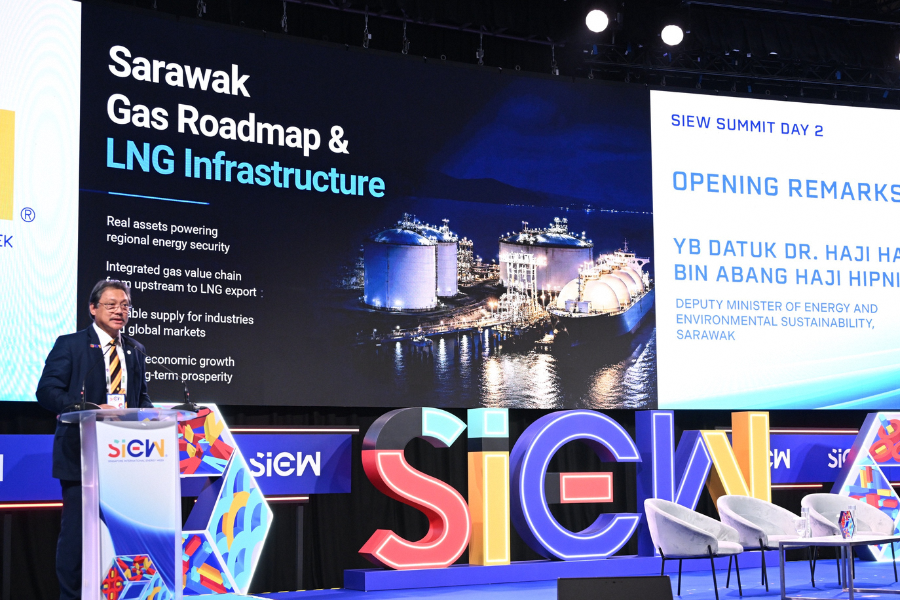
Shri Shripad Yesso Naik, India's Minister of State for Power and New and Renewable Energy, and YB Datuk Dr. Haji Hazland bin Abang Haji Hipni, Sarawak's Deputy Minister of Energy and Environmental Sustainability, outlined how diversifying energy sources and strengthening infrastructure can improve energy resilience.
As electricity demand grows, regional power connectivity is becoming more important. Dr Fatih Birol, Executive Director, International Energy Agency (IEA), emphasised the role of the ASEAN Power Grid in supporting energy security and competitiveness.
Alongside regional connectivity, electricity systems will need to accommodate more renewable energy. Francesco La Camera, Director-General, International Renewable Energy Agency (IRENA), highlighted the importance of investment in grids, storage and system flexibility to support this expansion.
Diversifying energy sources, strengthening resilience
For Shri Naik, energy security encompasses affordability, reliability and supply chain resilience. Non-fossil fuel sources accounted for 50 percent of India's total installed electricity generation capacity in June 2025. This met India's target ahead of schedule. Its target for 2035 is 60 percent.
India is also pursuing nuclear energy expansion. It is targeting 100 gigawatts of capacity by 2047. Diversified energy portfolios and international partnerships remain central to Shri Naik's approach to meeting different national energy needs.
In Sarawak, diversification is taking shape through specific energy and infrastructure projects. Dr Hazland described efforts to expand gas, hydropower and solar generation while strengthening electricity infrastructure.
Nine solar power purchase agreements have been signed, representing 1,450 megawatts of capacity. Plans are also under way to develop the Kuching Liquefied Natural Gas (LNG) Terminal as part of the Kuching Low-Carbon Hub.
The Bunut-Medamit-Limbang grid, completed in July 2026, has strengthened electricity supply in northern Sarawak. The completed grid also supports plans for wider regional connectivity. These include the Sarawak-Sabah interconnection and the ASEAN Power Grid.
Electrification calls for stronger power grids
The importance of stronger electricity systems extends beyond regional connectivity. Global energy market disruptions are also influencing how countries meet their energy needs.
Dr Birol pointed to several trends, including greater solar deployment, renewed interest in nuclear energy and rising electric vehicle sales. Some countries have also increased coal consumption, although it remains uncertain how long this will continue.
In Southeast Asia, electricity demand is rising twice as fast as overall energy demand. The ASEAN Power Grid could help strengthen regional energy security and economic competitiveness.
Renewable power capacity is expanding, but meeting growing electricity demand will also require stronger infrastructure. Mr La Camera cited global renewable power capacity additions of about 693 gigawatts in 2025.
Integrating this growing capacity into electricity systems will require modern grids, energy storage and greater flexibility.
Renewables also offer a cost advantage. IRENA found that more than 90 percent of utility-scale renewable projects commissioned in 2025 could generate electricity more cheaply than the lowest-cost new fossil fuel alternatives.
Continued investment will be needed to turn renewable energy commitments into projects. Supporting infrastructure will also require funding.
Across the four opening remarks, one central challenge stands out. Energy systems need to keep pace with rising electricity demand. Investment in diverse energy sources, stronger grids and regional connectivity will be important to maintaining reliable and affordable electricity supplies.
Follow @SIEW_sg on Telegram and X (formerly Twitter) for the latest insights and updates.