Episode 4: Why Energy Technology Is Only The Tip Of The Iceberg
Episode 4: Why Energy Technology Is Only The Tip Of The Iceberg
EDF
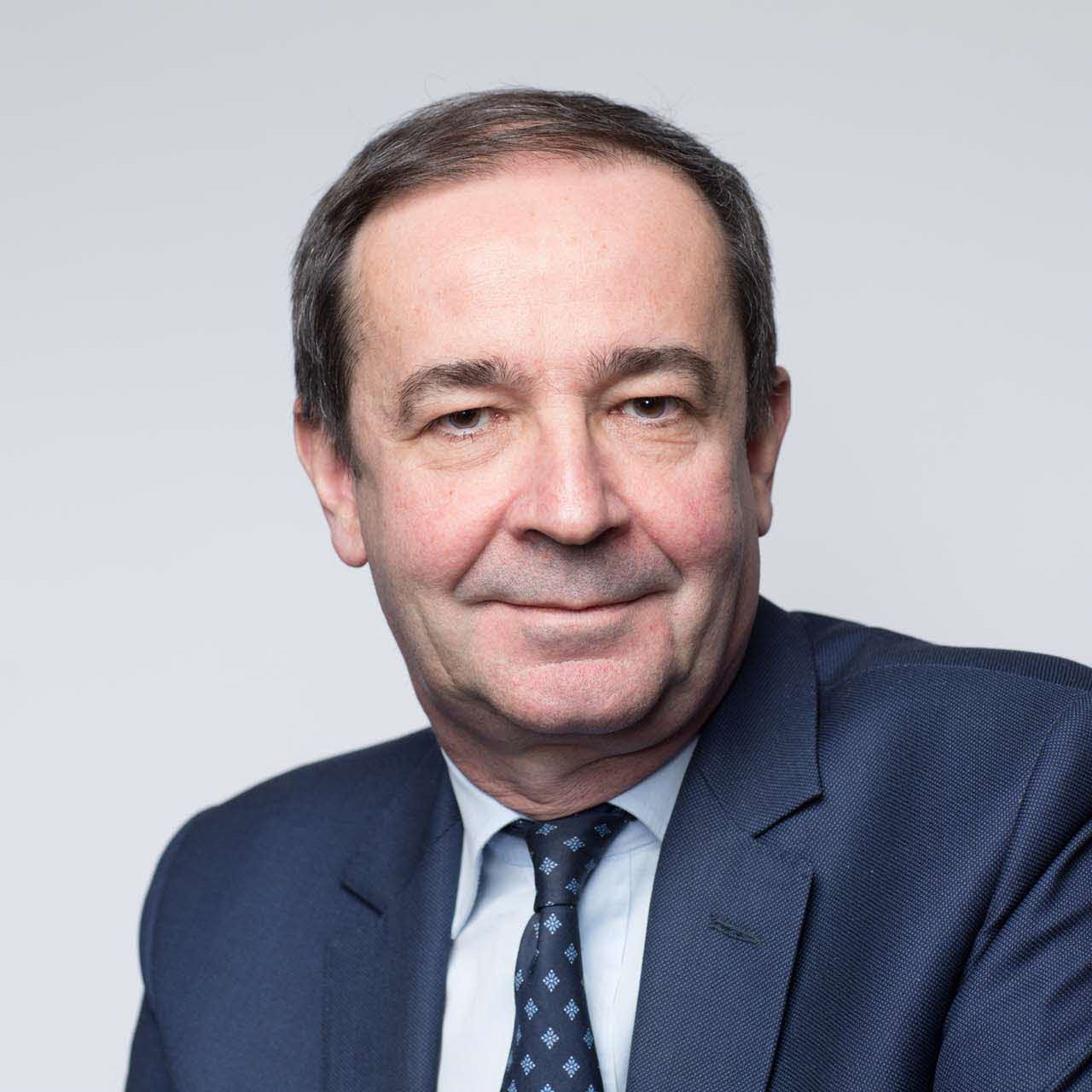
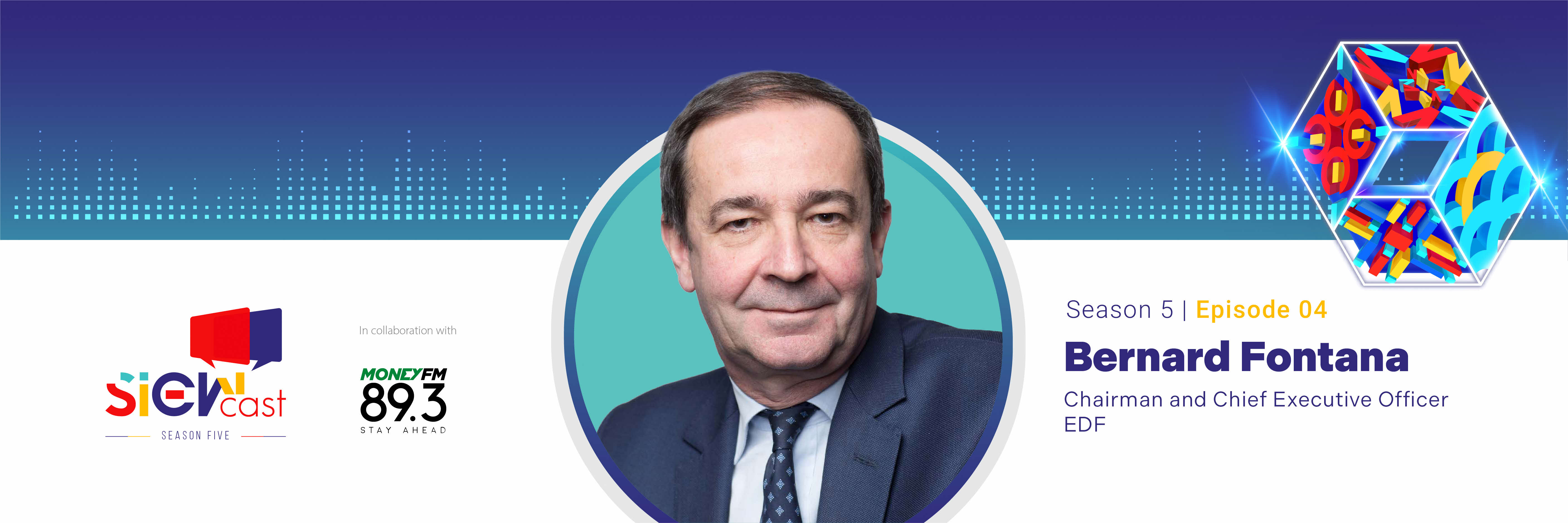
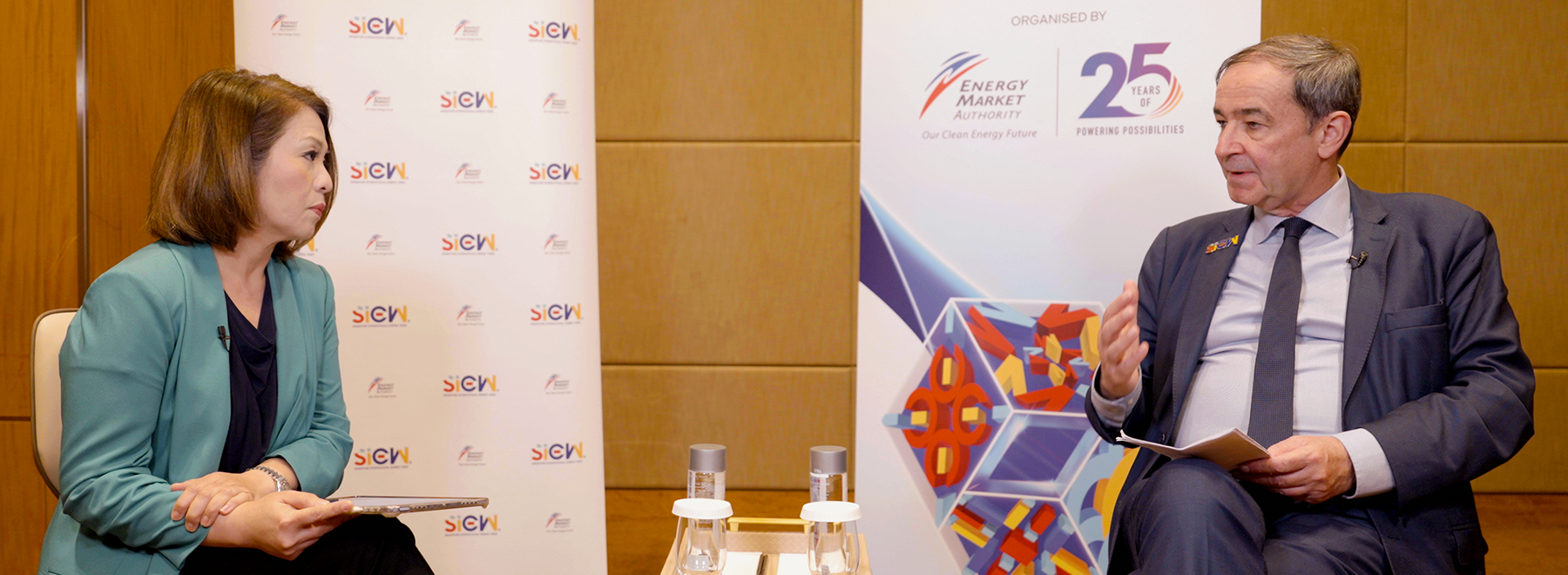
New power plants, stronger grids and transmission links between countries are the most visible parts of connecting energy systems. For EDF Chairman and Chief Executive Officer Mr Bernard Fontana, these are only the tip of the iceberg. Speaking with MONEYFM 89.3's Lynlee Foo, he looks beneath the surface at how trust, skills, supply chains and financing decide whether projects get built. Drawing on decades in heavy industry and nuclear, he shares practical lessons for countries preparing to meet rising electricity demand.
Show Notes:
In this episode, we discuss…
- Why rising electricity demand makes resilience a priority
- Where nuclear fits alongside renewables
- Building the trust and skills behind major energy projects
- Getting energy infrastructure built and financed
- Connecting power systems through lasting partnerships
Key takeaways
00:54 | Resilience as the starting point Electrification, transport and artificial intelligence are driving a structural rise in electricity demand. Mr Fontana sees this as an opportunity for countries to build reliable, competitive and low-carbon power. With supply now a matter of national security, he puts resilience first. That means modernising grids, investing in low-emission generation that can run whenever it is needed, and setting stable frameworks for long-term investment. |
02:06 | Stability that renewables can build on Nuclear and hydropower complement renewables by producing electricity around the clock, whatever the weather. Grids need more than a balance of supply and demand. They also require steady frequency and system strength. Large reactors will remain important, while small modular reactors may suit locations that need both electricity and industrial steam. |
03:01 | Looking below the tip of the iceberg For countries considering nuclear for the first time, the technology is the most visible part of a much larger effort. Lasting programmes rest on strong regulation, public trust, skilled people and capable institutions. Building these is a journey that takes time. |
03:54 | Delivering projects at pace Projects stall without timely approvals, a capable supply chain and skilled workers. Mr Fontana’s focus is to get it right the first time, with a constant focus on safety, quality and speed. France has sped up approvals. Its nuclear industry has also organised itself to hire about 10,000 people a year. The goal is to add several gigawatts of new capacity each year. |
04:55 | Allocating risk to unlock capital Investors commit when they have visibility and know who carries which risk. Mechanisms such as contracts for difference give them more certainty on returns. Governments can offer stable rules and loan guarantees, while industry takes responsibility for how the technology performs. The UK's Sizewell C nuclear project shows how this balance can work. With a standard reactor design and strong government support, it attracted more investors than expected. |
06:36 | Partnerships that build local strength Mr Fontana believes partnerships should be tailored and built for the long term, as every country starts from a different point. The goal is to help countries develop their own skills, supply chains and regulators. Safety cooperation through bodies such as the International Atomic Energy Agency (IAEA) reinforces these efforts. EDF's 40-year partnership at South Africa's Koeberg nuclear plant reflects this approach. Once strong local foundations are in place, linking grids and electricity markets across borders can make power systems more stable and efficient. |
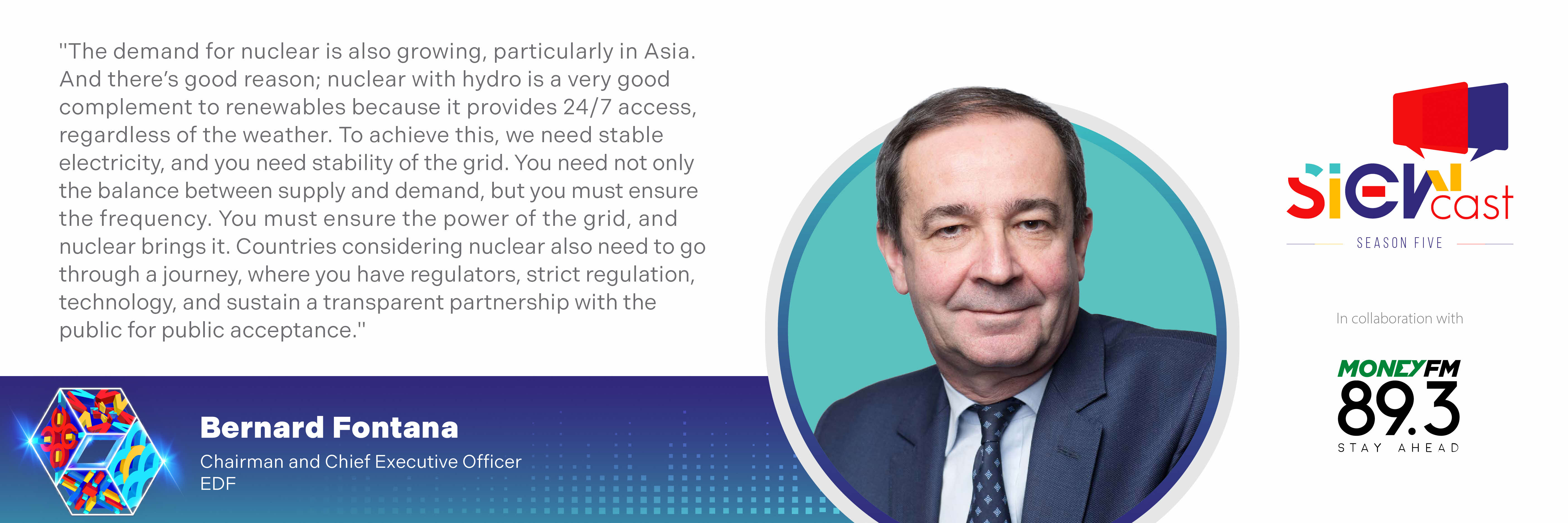
About our guest Mr Bernard Fontana has been Chairman and Chief Executive Officer of EDF since May 2025. The French electricity company's businesses span nuclear power, hydropower and renewables. His career has bridged energy-intensive industries and the nuclear sector. After early roles in chemicals at SNPE and in steel at ArcelorMittal, he became CEO of APERAM. In 2012, he took the helm at Holcim, the construction materials group. Mr Fontana moved into nuclear in 2015 as Deputy Chief Executive Officer of AREVA NP. The following year, he became Chairman of the Executive Board and CEO of the company, which was later renamed Framatome. In April 2024, he took charge of EDF's Industry and Services Division as Group Executive Vice-President. He became Chairman of Arabelle Solutions that October. Beyond EDF, he sits on the boards of Thales, SSAB and GIFEN Services. He previously served as Chairman and CEO of GIFEN Services for four years. Since 2018, he has also been on the Council of GIFEN, the French nuclear industry group. He is a member of France’s High Committee for Transparency and Information on Nuclear Safety. An engineer by training, Mr Fontana graduated from the École Polytechnique and the École Nationale Supérieure des Techniques Avancées in Paris. |
Additional Resources
- EDF's regional HQ and research lab in Singapore [00:30]
- The UK's Sizewell C nuclear project [05:37]
- IAEA@SIEW Forum on nuclear energy readiness [06:57]
- World Association of Nuclear Operators (WANO) [07:00]
- Western European Nuclear Regulators Association (WENRA) [07:01]
- South Africa's Koeberg nuclear power station [07:17]
- European Pressurized Reactor (EPR) [09:30]
- EDF's 400-megawatt small modular reactors [09:31]
You can find the transcript of this episode here.
Keep up with the latest energy conversation.
Sign up for the SIEW newsletter for news and updates from SIEW.Save the date for SIEW 2027.
The Singapore International Energy Week (SIEW) returns from 25–27 October 2027. Visit www.siew.gov.sg for programme and registration updates.
This SIEWCast episode is brought to you by the Singapore International Energy Week (SIEW) and MoneyFM 89.3.
SIEW 2026 Sponsors