Singapore-International Renewable Energy Agency (IRENA) High-Level Forum
| Organiser | Energy Market Authority, International Renewable Energy Agency, in partnership with Asia Clean Energy Summit |
| Date | 24 Oct 2023, 14:00 - 15:45 hrs |
| Venue | Level 4, Roselle Junior Ballroom, 4610, Marina Bay Sands, Singapore |
The global energy transition is off-track, aggravated by the effects of global crises. A successful energy transition demands bold, transformative measures reflecting the urgency of the present situation. Investment and comprehensive policies across the globe and all sectors must grow renewables and instigate the structural changes required for the predominantly renewables-based energy transition.
Although global investment across all energy transition technologies reached a record high of USD 1.3 trillion in 2022, annual investment must more than quadruple to remain on the 1.5oC pathway. As the region commits to ever more ambitious climate targets, including net zero commitments, planning must begin now in earnest. While the Association of Southeast Asian Nations (ASEAN) has ambitious renewable energy goals in the near-term, the region needs to think and plan for the long-term. It has a unique opportunity to develop a sustainable energy system based on renewable energy resources that can support socioeconomic recovery and development while addressing climate change mitigation and adaptation strategies, and accomplishing energy security, universalisation and affordability goals.
In this regard, there are significant opportunities for the international community to come together to take stock and identify green pathways to strengthen the energy transition towards a net zero world, especially for Southeast Asia region. With the theme “Regional Interconnectivity for Net Zero”, the third edition of the Singapore-IRENA High-Level Forum will focus on regional energy integration and cross border infrastructure to stimulate energy trade in the region, as well as investments in the energy transition for a net zero future.
High level government representatives, financial institutions, development partners and industry leaders from across the region and beyond will come together at this High-Level Forum.
Programme
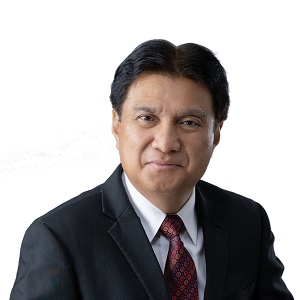
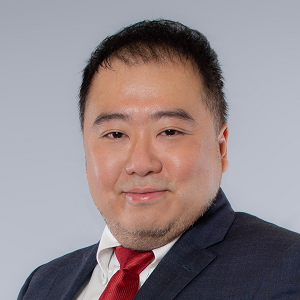
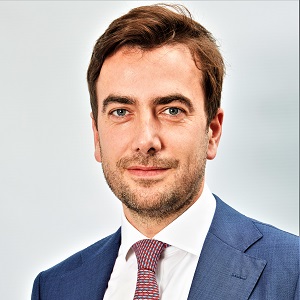
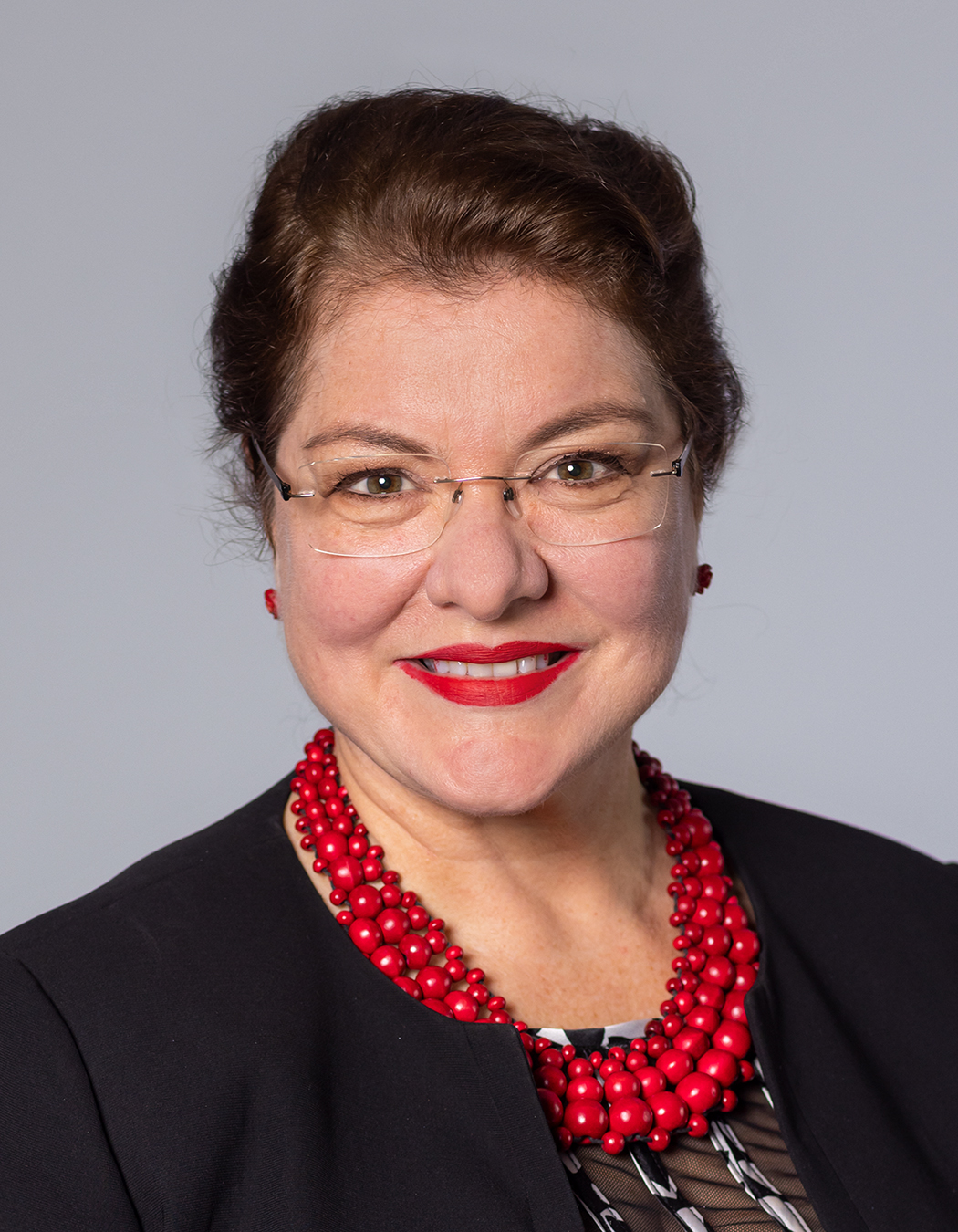
Speakers:
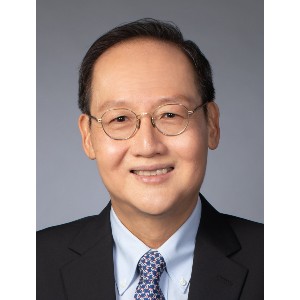
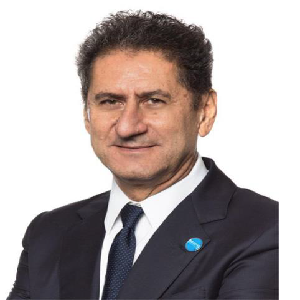
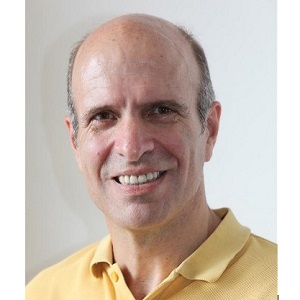
Keynote:
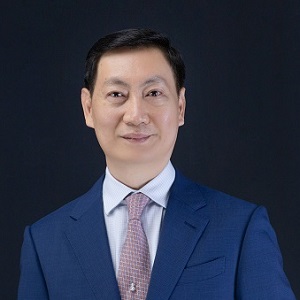
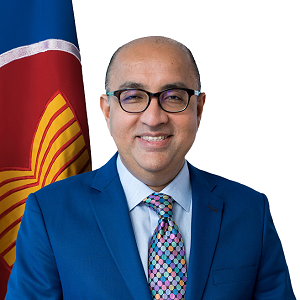
Panellists:
-sp.jpg)
role in meeting the rising energy demand and in improving energy access. It would also enable the sharing of flexible resources and operating reserves where markets and regulations are appropriately set. Strengthening its potential would require forward-looking planning, modernisation and expansion of supporting infrastructure on land and sea to facilitate the development, storage, distribution and transmission, and consumption of renewables.
- How can increased regional interconnectivity contribute towards the region’s energy security and resiliency.
- What are some of the key challenges inhibiting the development of a regional grid system.
- How do you envision the future of regional interconnectivity within ASEAN and its role in driving the region’s energy transition goals in the coming years.
Keynote:
Panellists:
-sp.jpg)
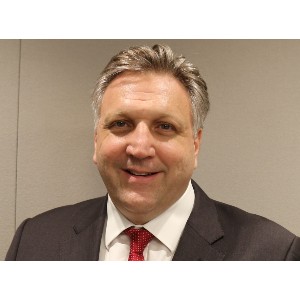
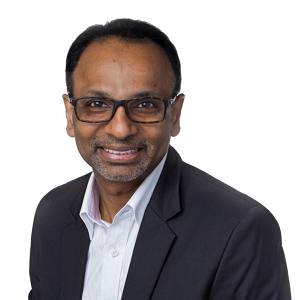
Presented by:

Funding the energy transition at the pace required to keep the world on a climate-safe pathway will require a substantial increase in investments. To enable an energy system aligned with the 1.5°C target, investment in energy transition technologies and related infrastructure will need to rise to over USD 130 trillion by 2050, with the bulk of investment focusing on renewable energy, energy efficiency, electrification and infrastructures. This is expected to make up around two-thirds of the total investments and governments and we will need to catalyse more private funds at scale to crowd-in and complement public capital.
- How has the investment landscape in the energy transition evolved over the years.
- What are some of the key opportunities and/or challenges associated with investments in emerging markets.
- What are the global and regional trends/initiatives shaping the future of investments in the energy transition. How can investors and multilateral development banks align with these trends.
Speakers:
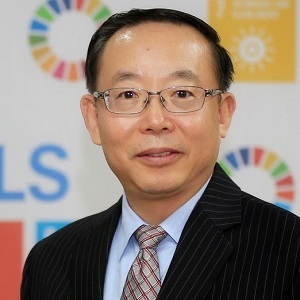

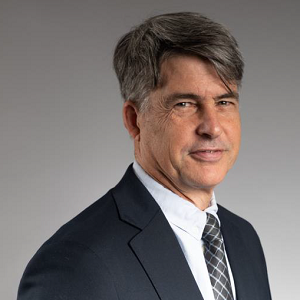
This session will provide a summary of the discussions and an outlook on the road ahead. Beyond strengthening collaboration and the development of low-carbon alternatives and financing initiatives, how can we stay on track towards SDG 7 and what more can government, corporations, and investors do to further align and catalyse new and emerging economic opportunities emerging from this transition.
* Programme is subject to changes.
Regional Interconnectivity for Net Zero
Listen to SIEwCast
Episode 2: Financing the Energy Systems of Tomorrow
Watch Interview
Financing the next phase of Southeast Asia's energy transition
Read Articles
SIEWConnects@DBS: Connecting Asia, Powering Growth
SIEW 2026 Sponsors