Energy Studies Institute @ National University of Singapore
| Organiser | Energy Studies Institute and Singapore Nuclear Research and Safety Initiative, National University of Singapore |
| Date | Session B, 28 Oct 2022, 09:00 - 10:30 hrs |
| Venue | Marina Bay Sands, Orchid 4211 (Room), Level 4, Singapore |
There is a global consensus among the experts in the policymaking community that nuclear energy is potentially a vital tool for countries to achieve global climate goals and energy supply security. According to the International Energy Agency, nuclear power is the second largest source of low-carbon electricity. Nuclear power plants produce almost no greenhouse gas emissions while in operation. Nuclear power produces about the same amount of carbon dioxide-equivalent emissions per unit of electricity as wind, and one-third of the emissions per unit of electricity when compared with solar. When compared to fossil fuel, nuclear energy is a promising source of low-carbon alternatives that could decarbonise the economy at a lower cost. One viable option, as a decarbonisation strategy, is to expand the role of nuclear energy in power generation through the use of advanced nuclear technologies and small modular reactors (SMRs) to provide process heat for industrial applications. The prospects appear bright given the political interests and financial support for SMR developers by the governments in the traditional nuclear power states such as the United States, the United Kingdom, and Canada. However, there are significant regulatory challenges since SMR technology is still nascent in the global nuclear industry.
According to the International Atomic Energy Agency’s Nuclear Harmonisation and Standardisation Initiative, the immediate challenge for the global nuclear regulatory community is to establish a common position on technical and policy issues even though there is no large-scale deployment of SMRs yet. So far, two SMR units have been deployed aboard a Russian and Chinese floating nuclear power plants, and another unit is in the advanced stage of construction in Argentina. It is on this note that this roundtable aims to assess the viability of nuclear energy as a decarbonisation strategy in ASEAN, the safety issues and challenges for the regulators, and the suitability of advanced nuclear technologies and SMRs in the region.
| Time | Programme |
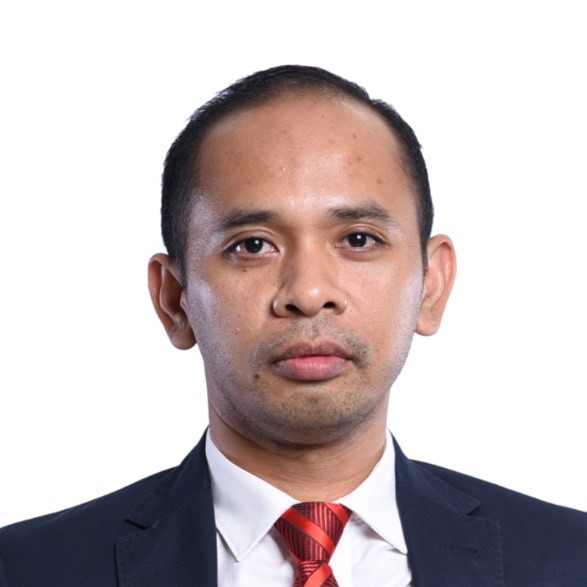
| 9:00 – 9:05 hrs (GMT +8) | Introductory Remarks Dr Nur Azha Putra Research Fellow Energy Studies Institute National University of Singapore |
| 9:05 – 9:15 hrs (GMT +8) | Nuclear power for a carbon-neutral energy system King Lee Director, Harmony Programme World Nuclear Association  Click here to download the presentation Click here to download the presentation |
| 9:15 – 9:25 hrs (GMT +8) | Nuclear energy in ASEAN’s decarbonisation and its implication on regional cooperation Beni Suryadi Manager Power, Fossil Fuels, Alternative Energy and Storage ASEAN Centre for Energy Click here to download the presentation |
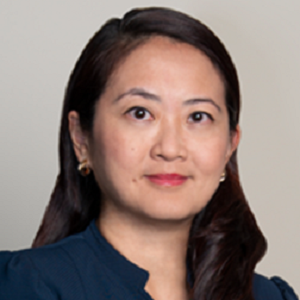
| 9:25 – 9:35 hrs (GMT +8) | ASEAN nuclear cooperation: Lessons from other sectoral cooperation within the region Sharon Seah Senior Fellow & Coordinator of ASEAN Studies Centre ISEAS-Yusof Ishak Institute Click here to download the presentation |
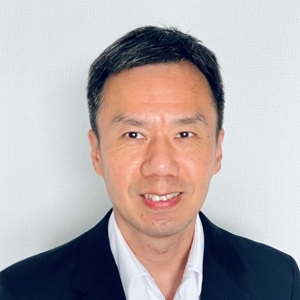
| 9:35 – 9:45 hrs (GMT +8) | New nuclear technologies and prospects for small modular reactors in ASEAN Associate Professor Chung Keng Yeow Director Singapore Nuclear Safety Research Initiative National University of Singapore |
| 9:45 – 10:00 hrs (GMT +8) | Nuclear power development in the Philippines Dr Carlo Arcilla Director Philippines Nuclear Research Institute Click here to download the presentation |
| 10:00 – 10:30 hrs (GMT +8) | Panel Discussion Moderator: Dr Alvin Chew Adjunct Senior Research Fellow Energy Studies Institute National University of Singapore Pannellists: King Lee Director, Harmony Programme World Nuclear Association Beni Suryadi Manager Power, Fossil Fuels, Alternative Energy and Storage ASEAN Centre for Energy Associate Professor Chung Keng Yeow Director Singapore Nuclear Safety Research Initiative National University of Singapore Sharon Seah Senior Fellow & Coordinator of ASEAN Studies Centre ISEAS-Yusof Ishak Institute Dr Carlo Arcilla Director Philippines Nuclear Research Institute |
| 10:30 hrs (GMT +8) | END |
Speaker
- Dr Nur Azha Putra, Research Fellow Energy Studies Institute National University of Singapore
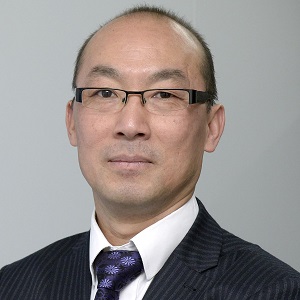
Click here to download the presentation
Speaker
Click here to download the presentation
Click here to download the presentation
Speaker
- Associate Professor Chung Keng Yeow, Director Singapore Nuclear Safety Research Initiative National University of Singapore
Speaker
- Dr Carlo Arcilla, Director Philippines Nuclear Research Institute
Click here to download the presentation
Panellists
- Associate Professor Chung Keng Yeow, Director Singapore Nuclear Safety Research Initiative National University of Singapore
- Dr Carlo Arcilla, Director Philippines Nuclear Research Institute
Speakers
The Role of Nuclear Energy in ASEAN Decarbonisation and Its Implications for Regional Nuclear Cooperation
Listen to SIEwCast
Episode 2: Financing the Energy Systems of Tomorrow
Watch Interview
Financing the next phase of Southeast Asia's energy transition
Read Articles
SIEWConnects@DBS: Connecting Asia, Powering Growth
SIEW 2026 Sponsors