Electricity demand is rising, global energy supplies are being disrupted, and building more resilient, lower-carbon energy systems is becoming more complex.
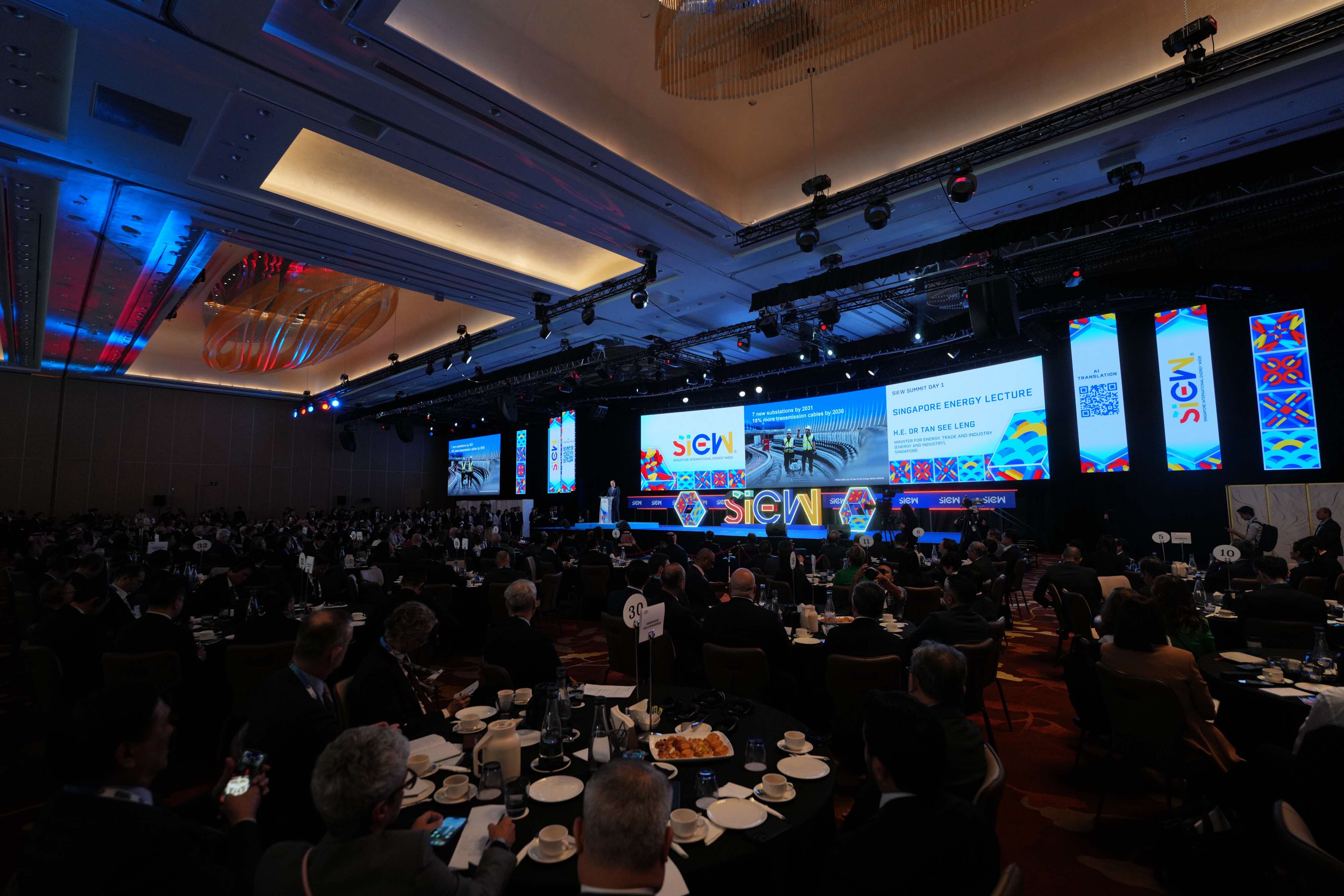
These challenges set the agenda at the 19th Singapore International Energy Week (SIEW) 2026. Policymakers, industry leaders and energy experts came together to explore what it will take to build more secure, connected energy systems.
Held from 26 to 30 October under the theme "Connecting Energy Systems, Powering Tomorrow", the event drew over 23,000 delegates. From major announcements to new partnerships and global perspectives on Asia's energy future, here are the week's five key highlights.
1. Energy security takes centre stage amid supply disruptions
2. ASEAN Power Grid gains momentum towards regional integration
3. Singapore unveils five-year infrastructure plan to meet rising electricity demand
4. Nuclear energy draws growing interest as Asia assesses readiness
5. Energy diversification and innovation advance lower-carbon pathways
1. Energy security takes centre stage amid supply disruptions
This year's disruptions in the Strait of Hormuz put energy security firmly back on the agenda. For energy-importing countries such as Singapore, the question is how to keep supplies reliable when shocks hit.
In his Singapore Energy Lecture, H.E. Dr Tan See Leng, Minister for Energy, Trade and Industry (Energy and Industry), Singapore, highlighted how years of preparation were put to the test this year.
When gas shipments from Qatar were disrupted, Singapore GasCo moved quickly to secure replacement supplies—drawing on a gas import base that now spans liquefied natural gas (LNG) sources around the world. Government-held reserves of gas and diesel stood ready as a further buffer. While prices rose, Singapore saw no fuel shortages or power outages.
Noting that the supply crisis "will not be the last of its kind", H.E. Dr Tan said: "We cannot predict every disruption, but we will always ensure that Singapore is prepared for them."
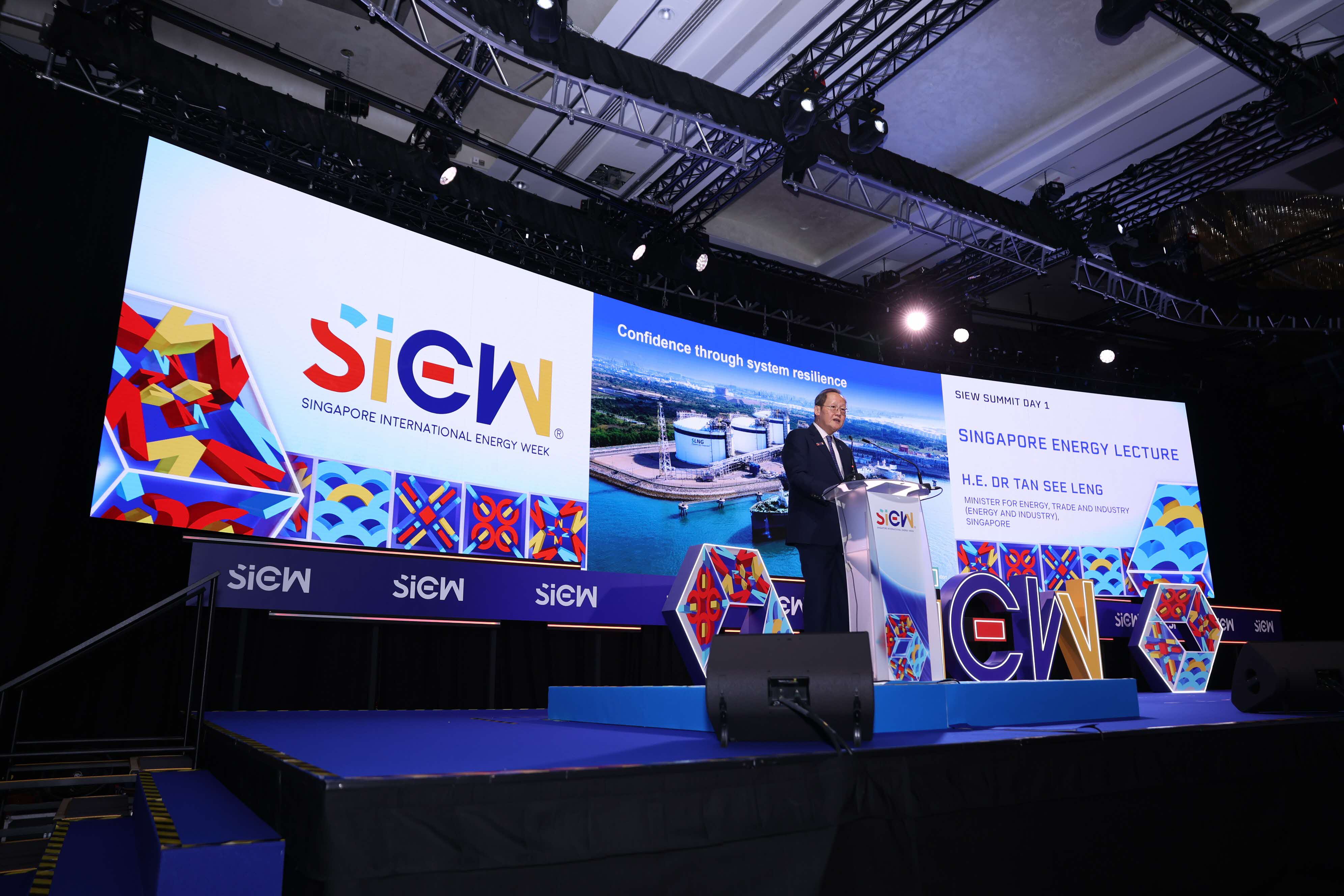
Bilateral cooperation is another important part of this approach. During his lecture, H.E. Dr Tan announced that Singapore and Saudi Arabia intend to store crude oil at Jurong Rock Caverns from the second half of 2027. The arrangement would give Singapore an added buffer in a crisis while making Saudi crude oil supplies to Southeast Asia more resilient.
Across the region, the evolving role of natural gas featured in several panel sessions at SIEW 2026. Panellists saw it as an essential bridge fuel for the region, with gas-fired generation helping to keep power systems reliable as more renewables come online. Speakers also discussed how diversified supply and flexible contracts can help energy importers weather shocks.
The conversation continued at the 10th Singapore–International Energy Agency (IEA) Forum, which also marked a decade of energy cooperation between Singapore and the IEA.
Dr Fatih Birol, Executive Director of the IEA, highlighted Southeast Asia's exposure to global energy disruptions and the need to strengthen supply chain resilience. He also outlined plans to expand the IEA Regional Cooperation Centre in Singapore. Alongside this, the agency will undertake a comprehensive ASEAN Energy Security Review to help countries identify vulnerabilities and strengthen their preparedness.
2. ASEAN Power Grid gains momentum towards regional integration
The ASEAN Power Grid (APG) was a major talking point throughout the Week. Regional leaders examined how stronger electricity interconnections can strengthen energy security, bring more renewables onto the grid and unlock opportunities for cross-border power trade.
Progress is already being made. The Lao PDR–Thailand–Malaysia–Singapore Power Integration Project has demonstrated the feasibility of multilateral electricity trade, providing a foundation for expanding regional connectivity.
Singapore's own electricity import plans also moved forward during the Week. The Energy Market Authority (EMA) granted a Conditional Approval to Sembcorp Utilities to import up to 1.3 gigawatts (GW) of low-carbon electricity from or through Peninsular Malaysia. This contributes towards Singapore's target of sourcing around 6 GW of lower-carbon electricity from overseas by 2035. That electricity could come from solar in Malaysia or, further afield, offshore wind in Vietnam via Malaysia's grid.
Opening Day 2 of the SIEW Summit, H.E. Dr Tan noted: "Building stronger electricity connections is only one part of the equation. We must also unlock the renewable energy resources that will flow through these connections."
To deepen regional integration, countries must establish the regulatory and commercial arrangements needed to facilitate electricity trade across borders and attract investment into new projects. At SIEW Energy Insights, speakers explored regulatory alignment and market frameworks governing cross-border electricity trade. The Singapore-IEA Forum took the conversation further, looking at what it would take to turn regional ambitions into commercially viable projects.
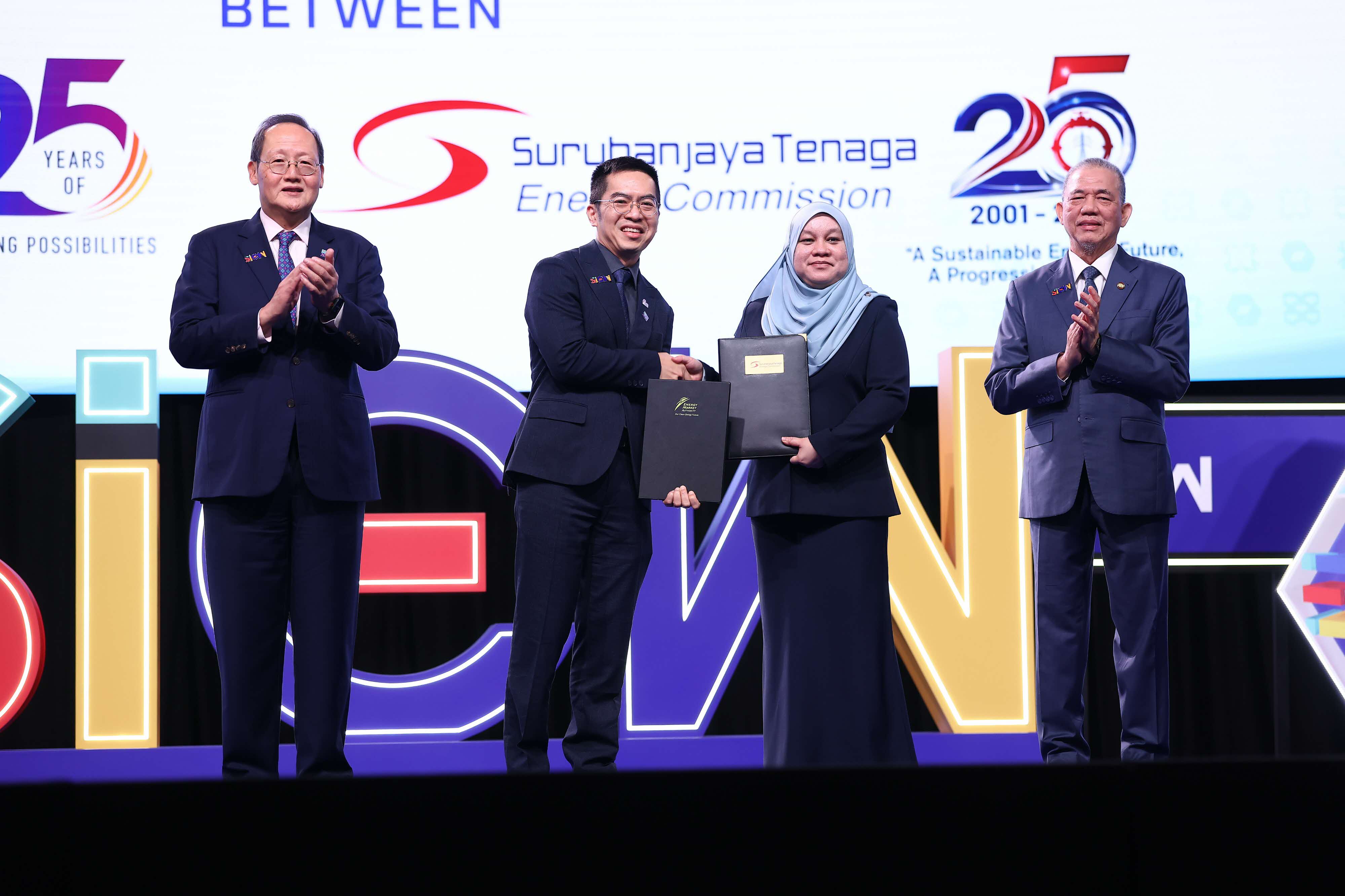
Reflecting this focus on regional coordination, Singapore and Malaysia renewed their energy cooperation agreement, covering renewable energy certificates (RECs) and interconnection capacity. As part of its initiatives to boost renewables deployment, Singapore has also updated its REC standard, SS 673. The update makes renewable electricity claims more credible, as they should now be backed by RECs from power physically supplied to Singapore's grid.
On the infrastructure front, detailed feasibility studies are under way for a second interconnector between Singapore and Peninsular Malaysia. If realised, the interconnector could support up to 2 GW of capacity by 2030, complementing the existing 1 GW link.
3. Singapore unveils five-year infrastructure plan to meet rising electricity demand
The rapid growth of artificial intelligence (AI), data centres and electrification is reshaping electricity demand across Asia, placing new requirements on power generation and grid infrastructure. For Singapore, the challenge is keeping power reliable and competitive as demand grows. In his Singapore Energy Lecture, H.E. Dr Tan shared: "Our ability to scale our generation and grid capacity to meet these needs will be increasingly important. Simply put, the fastest megawatt will be the winning megawatt."
Peak electricity demand stood at 8.6 GW in August 2026 and is projected to reach 9.9 to 13 GW by 2031. At SIEW 2026, EMA unveiled a five-year Energy Infrastructure Plan to prepare Singapore's power system for this growth.
Under the plan, five new natural gas-fired power plants are expected to come online between 2026 and 2031, increasing Singapore's generation capacity by approximately 26 percent. Investment in the electricity grid is also set to increase substantially. Up to S$5.3 billion is planned between 2025 and 2029, which is around 11 times the amount spent over the preceding five years. Beyond expanding infrastructure, EMA also awarded S$14.9 million to four industry projects to develop and test technologies that can strengthen grid resilience.
Energy storage will also become increasingly important in maintaining system stability as Singapore integrates more variable renewable energy sources such as solar. The country aims to triple its energy storage capacity to around 1 gigawatt-hour (GWh) by 2030.
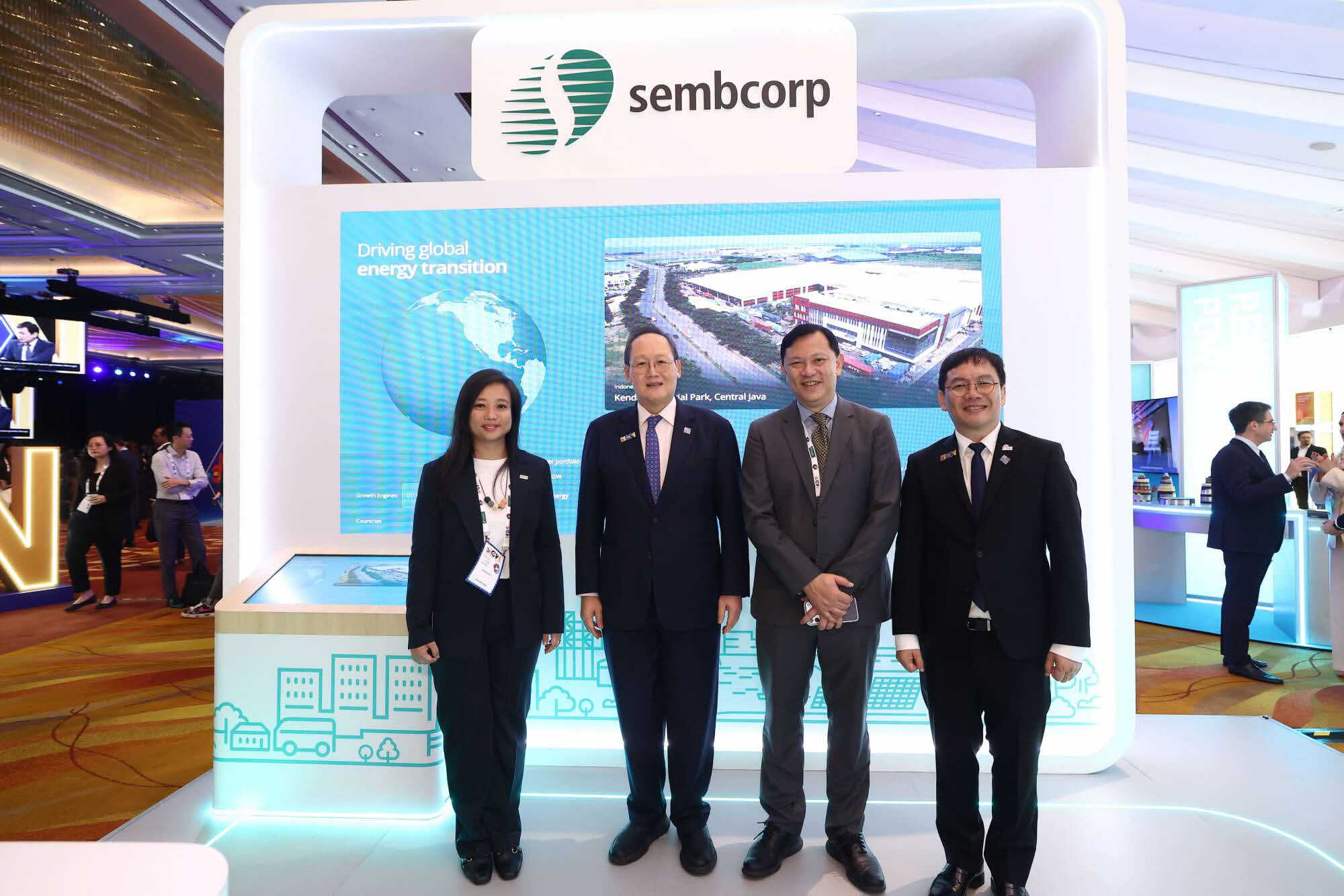
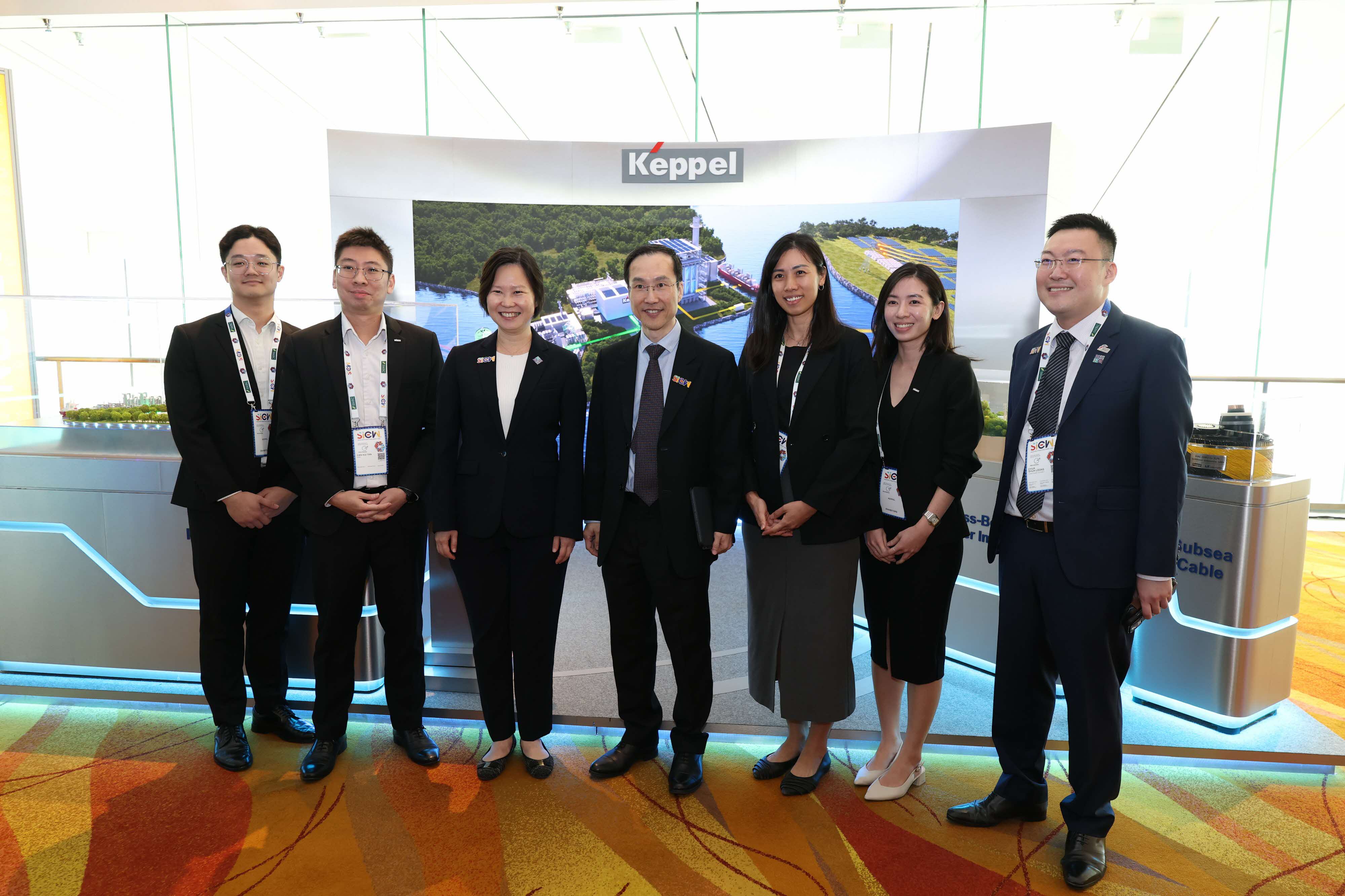
Preparing for that future was also at the heart of the SIEW Energy Showcase. Held to commemorate EMA's 25th anniversary, it reflected on how the Authority's role has evolved as Singapore's energy landscape changed.
To keep the power system stable as more variable sources such as solar come online, Singapore aims to triple its energy storage capacity to around 1 gigawatt-hour (GWh) by 2030.
4. Nuclear energy draws growing interest as Asia assesses readiness
As countries across Asia seek reliable, low-carbon energy sources to meet growing electricity demand, nuclear energy is receiving renewed attention. Discussions at SIEW 2026 went beyond the potential of nuclear technologies. They also looked at the regulatory frameworks, technical expertise and international partnerships countries would need in place before nuclear energy can be deployed safely.
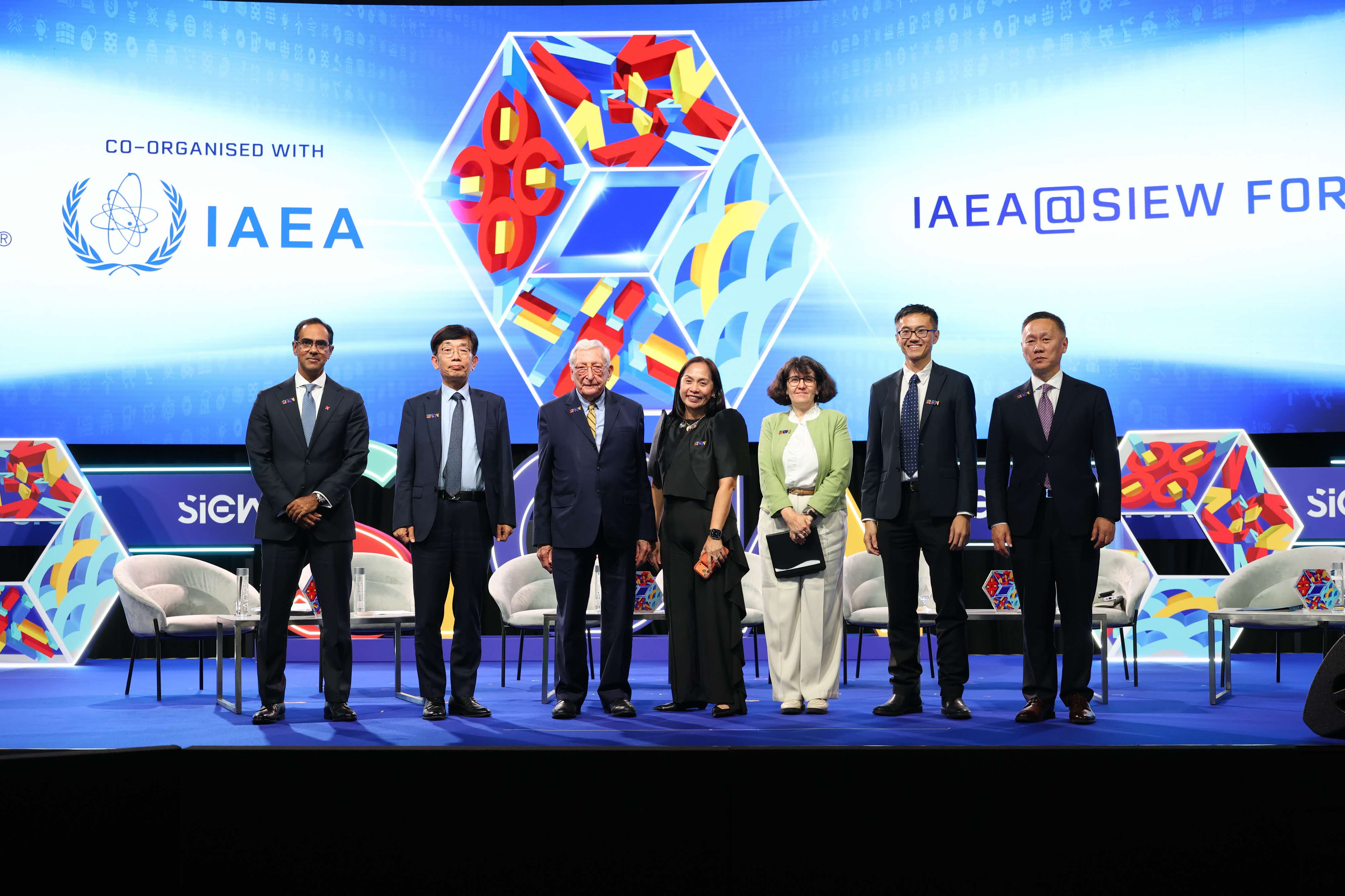
At the inaugural International Atomic Energy Agency (IAEA)@SIEW Forum, policymakers and industry experts stressed that this groundwork needs to start early. They also noted that countries new to nuclear energy can learn from those with established programmes.
Singapore is laying similar groundwork to keep its options open. The country announced manpower development programmes to strengthen nuclear expertise. EMA also appointed a panel of consultants to help prepare for the IAEA's Integrated Nuclear Infrastructure Review (INIR) Phase 1 Mission in 2027. In the region, Singapore agreed with the Philippines to explore nuclear energy cooperation.
No decision has been made on deploying nuclear power in Singapore. But as H.E. Dr Tan pointed out, the capabilities and expertise being built today will be valuable either way, particularly as interest in nuclear energy grows across Southeast Asia.
Looking further ahead, panellists at SIEW Thinktank Roundtable D on Advancing Nuclear Readiness for Energy Security and Decarbonisation discussed the potential of advanced nuclear technologies and the practical foundations for nuclear readiness. They noted that moving from initial projects to wider commercial deployment will not be straightforward. Safety assessments and construction costs remain hurdles, and the industry will need greater scale to become cost competitive.
5. Energy diversification and innovation advance lower-carbon pathways
As Asia advances its energy transition, countries are looking for low-carbon options that suit their respective resources, infrastructure and energy needs. At SIEW 2026, the focus was on scaling up renewables while developing technologies that could diversify future supplies.
For land-scarce Singapore, maximising available space for solar remains a key priority. At the Asia Clean Energy Summit, H.E. Gan Siow Huang, Minister of State, Ministry of Foreign Affairs & Ministry of Energy, Trade and Industry, Singapore, outlined new measures to expand solar deployment.
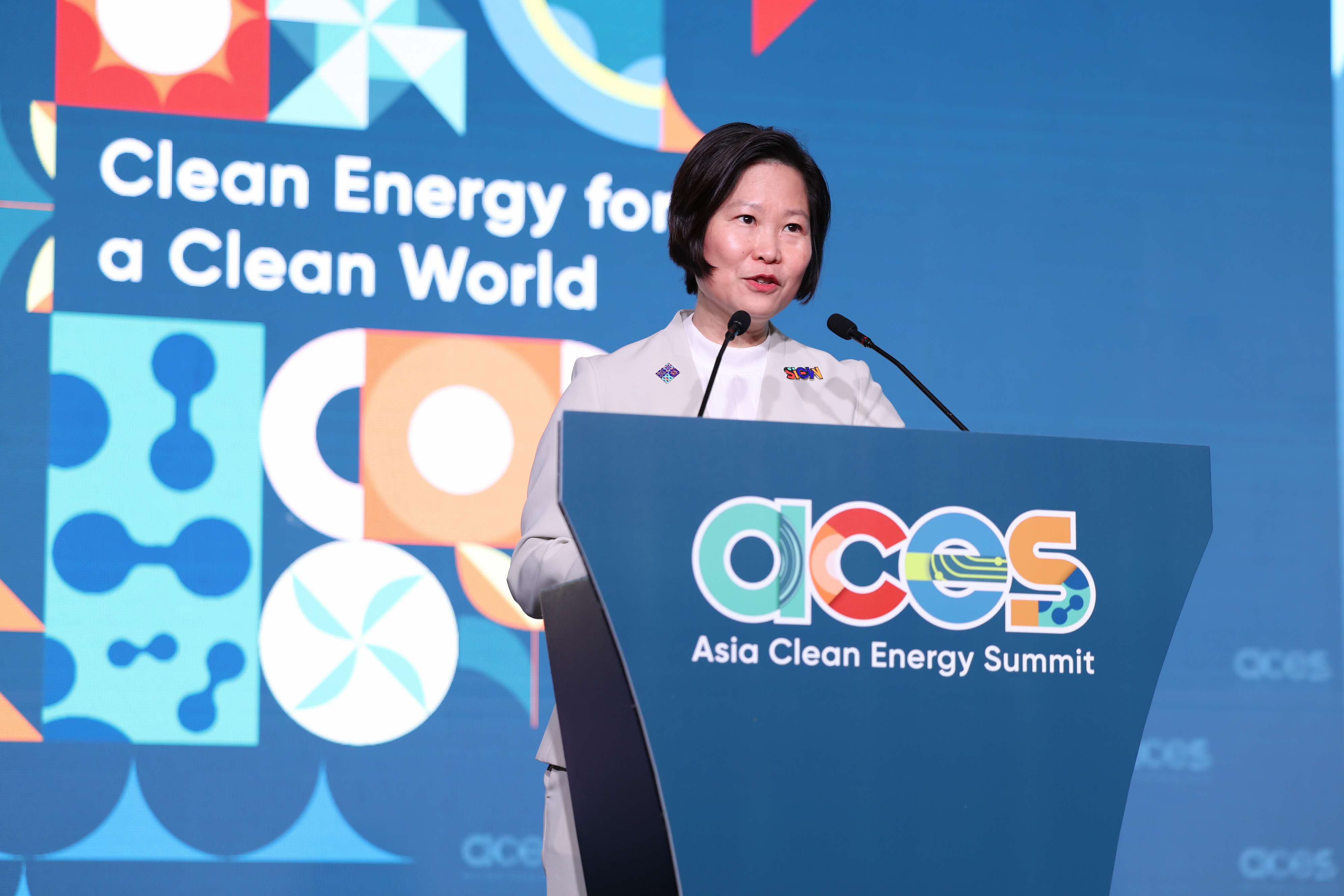
The measures include a new Whole-of-Government Solar Demand Aggregation Framework to facilitate solar deployment across public-sector premises. There are also plans to pilot solar roof tiles on heritage State buildings and encourage greater adoption among private landed properties. The initiatives support an expanded solar target of 4 gigawatt-peak (GWp) by 2035. With 2.3 GWp deployed to date, Singapore is on track to reach 3 GWp by 2030.
Even so, solar will meet at most 10 percent of Singapore's electricity needs in 2050, H.E. Ms Gan noted. "There is no single solution today that meets all our requirements for energy transition," she said. This is why Singapore pursues the "Four Switches" of natural gas, solar, regional power grids and low-carbon alternatives.
Beyond solar, Singapore is exploring alternative energy sources to diversify its low-carbon options. Under the 300-megawatt Biomethane Sandbox, the country has appointed three aggregators to explore potential supply and assess the commercial viability of biomethane power generation. Geothermal energy is also under consideration. Preliminary survey results estimated Singapore's technical geothermal potential at more than 60 times its annual electricity consumption, and further feasibility assessments are now planned.
To advance emerging low-carbon technologies, Singapore also launched a S$75 million Power Decarbonisation Funding Initiative. It will support research and trials involving hydrogen, solar and biomass technologies to assess how they could be applied in Singapore's power sector.
Elsewhere in Southeast Asia, countries are exploring opportunities that draw on their natural resources.
At SIEW Thinktank Roundtable C on advancing emerging energy technologies for Asia’s Low-Carbon Future, panellists examined Indonesia's geothermal potential and the conversion of agricultural waste into biomethane. They also noted the financing and commercial challenges of bringing these technologies to market. Overcoming these hurdles will require solutions that are both economically viable and suited to local energy requirements.
Writing Asia's next energy chapter
The priorities that set the agenda during the week will continue to shape Asia's energy future. SIEW 2026 showed a region responding with growing ambitions, both across borders and at home.
As the next chapter is written, SIEW will continue to convene stakeholders year-round, in the spirit of this year's theme of connecting energy systems and powering tomorrow.
Check out more conversations around key energy topics that took place at SIEW 2026.
Register your interest here for SIEW 2027 on 25–27 October at Marina Bay Sands, Singapore! Sign up for updates on SIEW and connect with us at:
|