Asia’s Energy Future: Building a Diverse and Resilient System
| Date | 30 Oct 2025, 09:30 - 11:30 hrs |
| Venue | Level 4, Melati Ballroom, Sands Expo and Convention Centre, Singapore |
CO-HOST ASEAN Center for Energy, International Renewable Energy Agency
This Roundtable will bring together policymakers, industry leaders, and experts to discuss how these solutions can reduce emissions, enhance energy security, and drive sustainable growth. It will examine the latest trends in technology, investment, and policy shaping Asia’s transition, and explore the frameworks and partnerships required to accelerate adoption. The dialogue will also highlight how regional cooperation can enable the infrastructure and markets needed for a cleaner, more resilient, and dynamic energy system in the decades to come.
This session will explore:
- What are the most promising energy solutions for Asia’s future across power, industry and transport?
- How can technologies like CCS, biomethane, hydrogen, and renewables contribute to a cleaner, more resilient energy system?
- What are the latest trends in technology, investment, and policy shaping the region’s energy transition?
- What frameworks and partnerships are needed to accelerate the adoption of innovative energy solutions?
- How can regional cooperation help build the infrastructure and markets needed for a sustainable energy future?
Presented by:

Programme
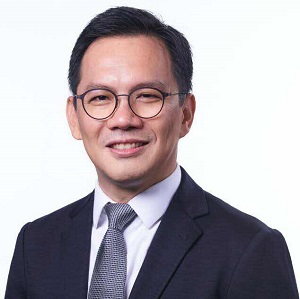
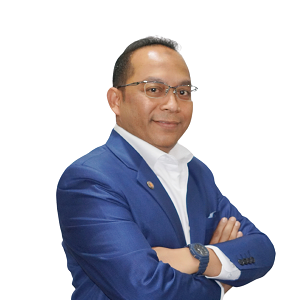
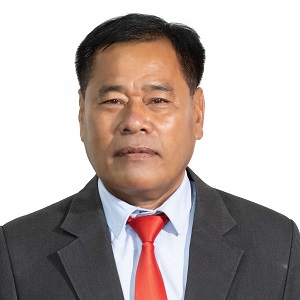
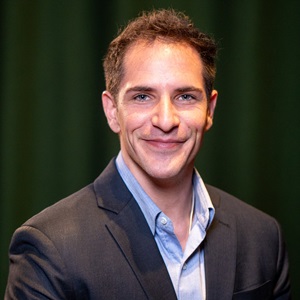
Cross-border electricity trade (CBET) features prominently in ASEAN’s energy and decarbonisation planning, and will also play a central role in corporate uptake of renewables in the region. However, many international actors do not currently recognise CBET transactions for reporting purposes outside of the European Union and North America. This presentation will describe several interrelated workstreams that are underway—each with the aim of ensuring CBET transactions capture and reflect sufficient data to be viewed as globally credible, such that electricity consumers can make credible claims in the global context. The presentation will discuss key progress over the past year, as well as what to expect going forward.
Panel:


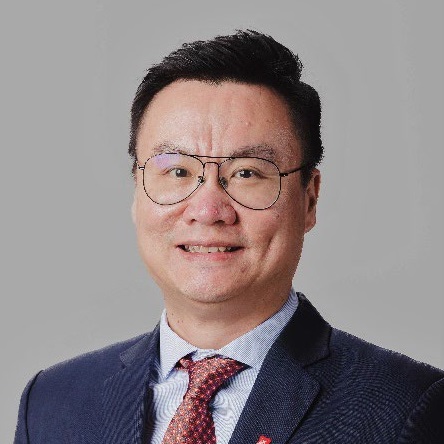

Focus: Exploring diverse technological solutions to decarbonise Asia’s energy systems.
Asia’s energy transition will not be driven by a single solution, but by a portfolio of technologies that together enable sustainability and resilience.
This session will examine the potential and readiness of carbon capture and storage (CCS), biomethane, hydrogen, advanced biofuels, and renewables to meet growing energy demand while reducing emissions. It will explore the latest developments in production, distribution, and integration, as well as opportunities to scale up these technologies across power, industry, and transport.
Key Discussions:
- Which technologies are most ready to be deployed at scale in Asia?
- How can CCS, biomethane, hydrogen, and advanced biofuels complement renewables in building resilience?
- What barriers (technical, regulatory, or infrastructural) must be addressed to accelerate adoption?
Panel:
- Beni Suryadi, Senior Manager, APAEC and Strategic Partnership, ASEAN Centre for Energy
- He Yiyong, Founder and Director, Straits Bio-LNG
Focus: Exploring diverse technological solutions to decarbonise Asia’s energy systems.
Asia’s energy transition will not be driven by a single solution, but by a portfolio of technologies that together enable sustainability and resilience.
This session will examine the potential and readiness of carbon capture and storage (CCS), biomethane, hydrogen, advanced biofuels, and renewables to meet growing energy demand while reducing emissions. It will explore the latest developments in production, distribution, and integration, as well as opportunities to scale up these technologies across power, industry, and transport.
Key Discussions:
- Which technologies are most ready to be deployed at scale in Asia?
- How can CCS, biomethane, hydrogen, and advanced biofuels complement renewables in building resilience?
- What barriers (technical, regulatory, or infrastructural) must be addressed to accelerate adoption?
Panel:
- Beni Suryadi, Senior Manager, APAEC and Strategic Partnership, ASEAN Centre for Energy
- He Yiyong, Founder and Director, Straits Bio-LNG
Focus: Exploring diverse technological solutions to decarbonise Asia’s energy systems.
Asia’s energy transition will not be driven by a single solution, but by a portfolio of technologies that together enable sustainability and resilience.
This session will examine the potential and readiness of carbon capture and storage (CCS), biomethane, hydrogen, advanced biofuels, and renewables to meet growing energy demand while reducing emissions. It will explore the latest developments in production, distribution, and integration, as well as opportunities to scale up these technologies across power, industry, and transport.
Key Discussions:
- Which technologies are most ready to be deployed at scale in Asia?
- How can CCS, biomethane, hydrogen, and advanced biofuels complement renewables in building resilience?
- What barriers (technical, regulatory, or infrastructural) must be addressed to accelerate adoption?
Panel:
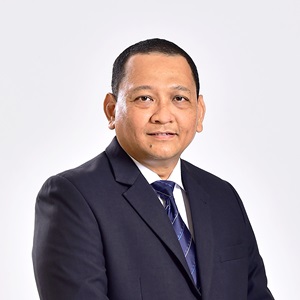
- Beni Suryadi, Senior Manager, APAEC and Strategic Partnership, ASEAN Centre for Energy
- He Yiyong, Founder and Director, Straits Bio-LNG
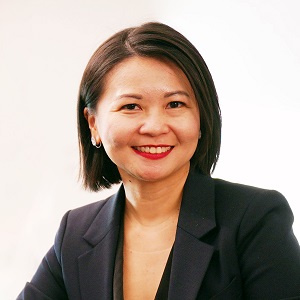
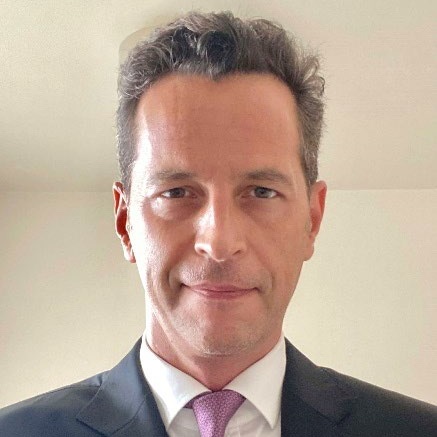
Panel:
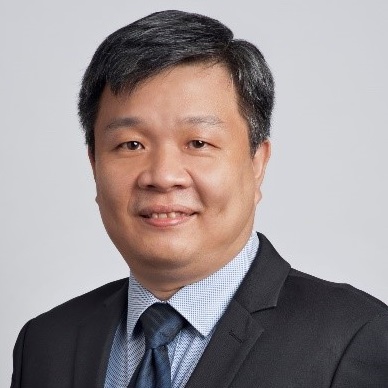

Focus: Mobilising investments and frameworks to enable technology deployment.
While technology options are advancing, financing and policy frameworks are essential to bring them to scale.
This session will focus on the role of investment, market design, and partnerships in advancing innovative solutions across Asia. It will consider how capital can be channelled effectively into CCS projects, biomethane infrastructure, hydrogen hubs, and renewable deployment, while ensuring long-term resilience and affordability.
Key Discussion:
- What are the latest investment trends shaping Asia’s low-carbon technologies?
- How can policy and regulatory frameworks de-risk investment in CCS, biomethane, hydrogen, and renewables?
- What forms of regional cooperation and partnerships are most effective in mobilising resources and building shared infrastructure?
- What role can various stakeholders – sponsors, developers, financiers, multilaterals and policymakers – play in catalysing investment in these emerging sectors?
*Programme is subject to changes.
Listen to SIEwCast
Episode 5: How FERC is reshaping the grid for the future
More programmes from SIEW
SIEW Summit
: SIEW 2025 Summit on 27 Oct brings global leaders together to explore “Envisioning Energy Tomorrow, Building Systems Today.”
Singapore-IEA Forum
: The Singapore-IEA Forum on 28 Oct focuses on Asia’s energy transition and regional cooperation.
The AI-Energy Nexus: Transforming the Transition to Low-Carbon Power
: Roundtable examines how AI enhances grid optimisation, forecasting and low‑carbon system efficiency across Asia.
SIEW 2025 Sponsors