Day 4 29 October 2026

 Day 1 Highlights
 Day 2 Highlights
 Day 3 Highlights
 Day 4 Highlights
 Day 4 Wrap-Up: Regional Energy Connectivity and Low-Carbon Technologies in Focus
Spotlight Sweden Forum: Exploring Sweden's Grid Experience Through an ASEAN Lens
Spotlight Sweden Forum: Exploring Nuclear Options through Singapore-Sweden Partnership
Spotlight Sweden Forum: How Swedish Technology Could Help Unlock Ammonia Power
Spotlight Sweden Forum: Singapore and Sweden Look to Turn Energy Cooperation into Practical Solutions
SIEW Thinktank Roundtable C: Financing, Integration and Partnerships Key toScaling Low-Carbon Technologies
SIEW Thinktank Roundtable C: Turning Low-Carbon Energy Innovation into Practical Solutions
SIEW Thinktank Roundtable C: Advancing Emerging Low-Carbon Technologies towards Deployment
SIEW Thinktank Roundtable B: Balancing Energy Security, Gas Supply Flexibility and Investment Risks
SIEW Thinktank Roundtable B: Strategies to Securing Gas Supply
SIEW Thinktank Roundtable B: Building Resilient Gas Markets for Asia's Changing Energy Needs
SIEW Thinktank Roundtable B: Securing Gas Supply Is Only Part of Asia's Energy Challenge
SIEW Thinktank Roundtable A: Establishing the Market Frameworks for Regional Power Trade
SIEW Thinktank Roundtable A: How a Stronger ASEAN Power Grid can Reduce Energy System Costs
SIEW Thinktank Roundtable A: Advancing the ASEAN Power Grid
SIEW Thinktank Roundtable A: Rethinking Energy Trade for Asia’s Low-Carbon Energy Future
SIEW Thinktank Roundtable A: Strengthening Regional Connectivity and Electricity Trade
SIEW 2026 Day 4: Next Steps in Decarbonising Asia
 Day 5 Highlights
Day 4 Wrap-Up: Regional Energy Connectivity and Low-Carbon Technologies in Focus
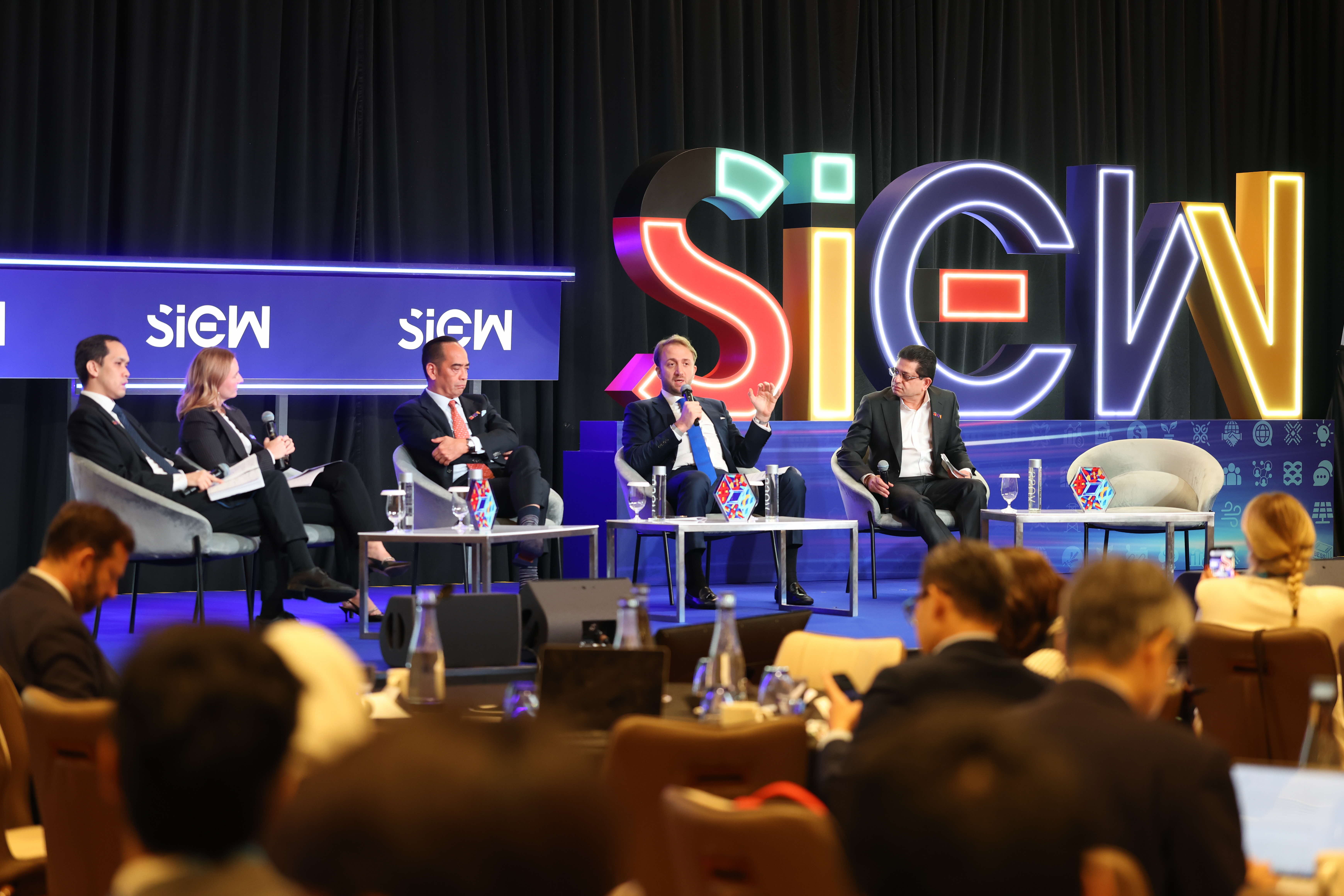
Day 4 of the Singapore International Energy Week (SIEW) 2026 brought together experts at the SIEW Thinktank Roundtables and Spotlight Sweden Forum to examine regional electricity trade, gas security and the technologies supporting Asia’s energy transition.
Here’s a recap of Day 4’s highlights:
- SIEW Thinktank Roundtable A: Advancing the ASEAN Power Grid
- Spotlight Sweden Forum: Singapore and Sweden Look to Turn Energy Cooperation into Practical Solutions
Join us tomorrow for the final day of SIEW 2026, featuring more Thinktank Roundtables on nuclear readiness and AI’s role in energy systems, alongside the Spotlight Korea Forum.
How is your SIEW 2026 experience thus far? Share your thoughts with us by taking a quick survey!
Follow @SIEW_sg on Telegram and X (formerly Twitter) for the latest insights and updates.
Spotlight Sweden Forum: Exploring Sweden's Grid Experience Through an ASEAN Lens
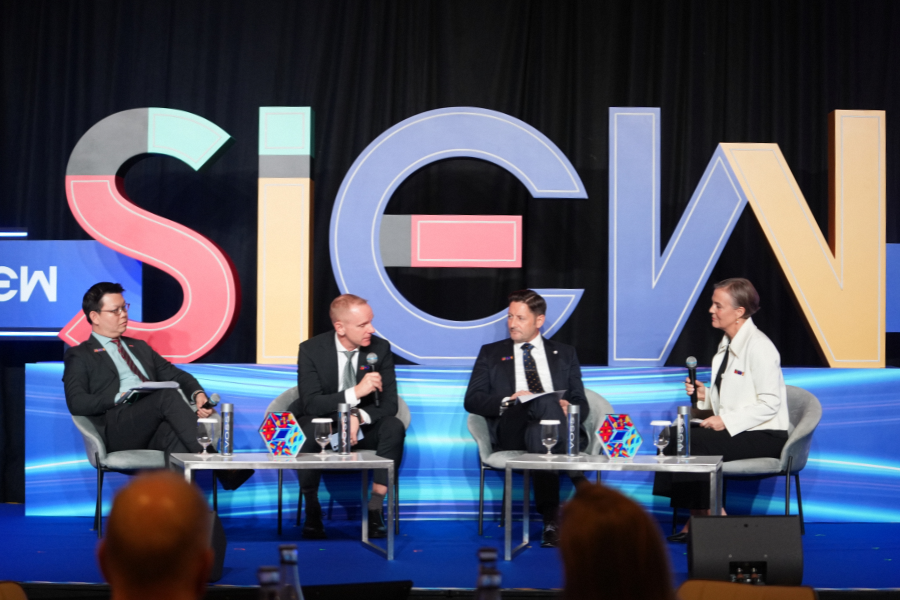
At the Spotlight Sweden Forum's Panel on Power Grids: Strengthening Grid Infrastructure and Resilience, energy experts explored how Swedish and wider European approaches could inform the region's efforts to strengthen grid resilience. Sweden's experience with interconnected grids offers a perspective on the challenges and opportunities ahead.
The discussion featured Lee Seng Wai, Chief Operating Officer, Singapore Energy Interconnections; Thomas Ottosson, Managing Director, Unipower AB; and Anthony Smith, Country Managing Director, Hitachi Energy. The session was moderated by Emma Broms, Regional Manager, State Assignments, Business Sweden.
Spotlight Sweden Forum: Exploring Nuclear Options through Singapore-Sweden Partnership
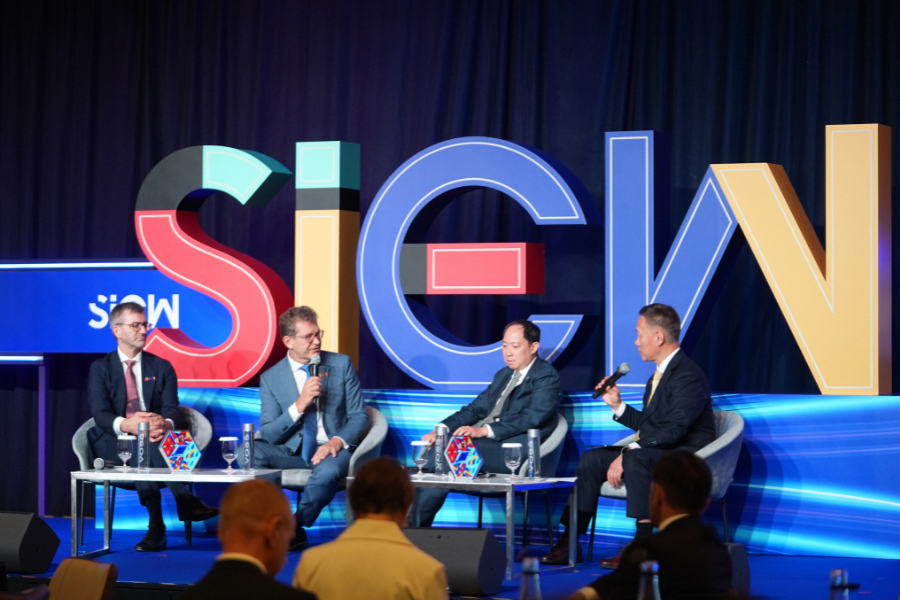
As Singapore evaluates nuclear energy, Sweden's experience could help inform its approach. At the Advancing Nuclear Energy Partnerships panel during the Spotlight Sweden Forum, speakers examined how international expertise could support Singapore's assessment of nuclear energy.
The panel featured Magnus Holmqvist, President, SKB International AB; Alberto De Min, Vice President of Partnerships, Blykalla; and Low Xin Wei, Chief Executive Officer, Singapore Nuclear Research and Safety Institute (SNRSI). Wei Huang, Director, Division of Planning, Information and Knowledge Management, Department of Nuclear Energy, International Atomic Energy Agency (IAEA), moderated the discussion, which brought out three considerations for evaluating nuclear energy:
Learning from Sweden's nuclear waste management experience
Mr Holmqvist highlighted Sweden's comprehensive approach to managing spent nuclear fuel and radioactive waste, including its deep geological repository project. He encouraged Singapore to draw on Sweden's decades of experience to plan for long-term waste management. This could help reduce development time, costs and risks.
Assessing advanced reactors for Singapore's needs
Mr De Min outlined the potential of lead-cooled fast reactors to improve safety and fuel sustainability.
He highlighted his company's SEALER reactor design, which has a planned electricity-generating capacity of 55 megawatts. The reactor is under development and could use recycled nuclear fuel. He suggested the technology could suit Singapore's land constraints. However, emergency planning requirements would still need regulatory assessment.
Strengthening Singapore's nuclear assessment capabilities
Mr Low identified three priorities. These were assessing nuclear technology safety, providing public assurance on radiation protection and waste management, and developing technical expertise.
He also highlighted the value of studying Sweden's regulatory and licensing experience as Singapore develops the capabilities to assess and adapt nuclear technologies to its specific needs.
Stay tuned as the conversation evolves throughout the day. Follow @SIEW_sg on Telegram and X (formerly Twitter) for key insights and the latest updates.
Spotlight Sweden Forum: How Swedish Technology Could Help Unlock Ammonia Power
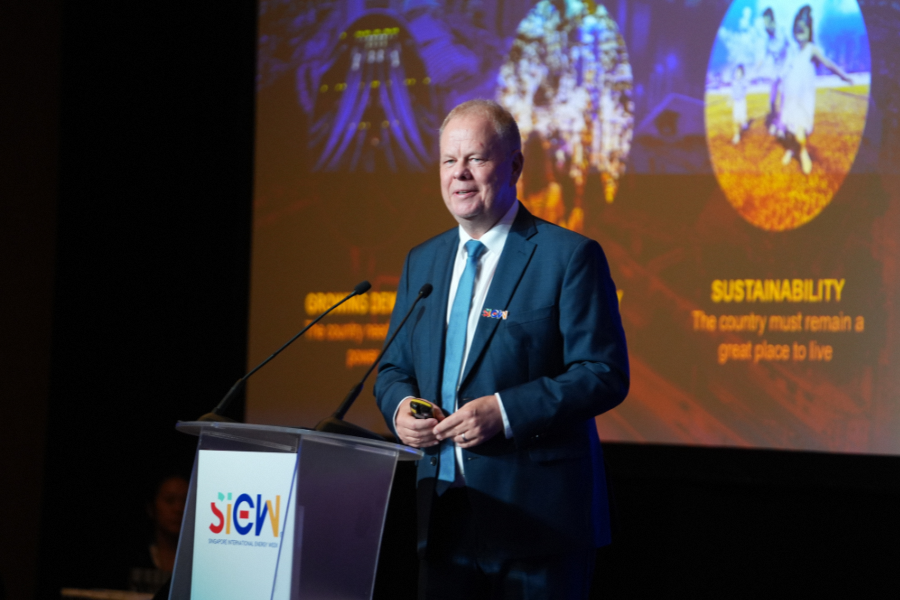
Existing gas turbines could play a new role in low-carbon power generation as engineers explore ways to adapt them for ammonia.
Thorbjörn Fors, Group Senior Vice President and President Asia Pacific, Siemens Energy, examined this potential in his keynote, Engineering the Sweden-Singapore Energy Partnership. He spoke at the Spotlight Sweden Forum.
Learn more about ammonia-based power generation from his keynote
Spotlight Sweden Forum: Singapore and Sweden Look to Turn Energy Cooperation into Practical Solutions
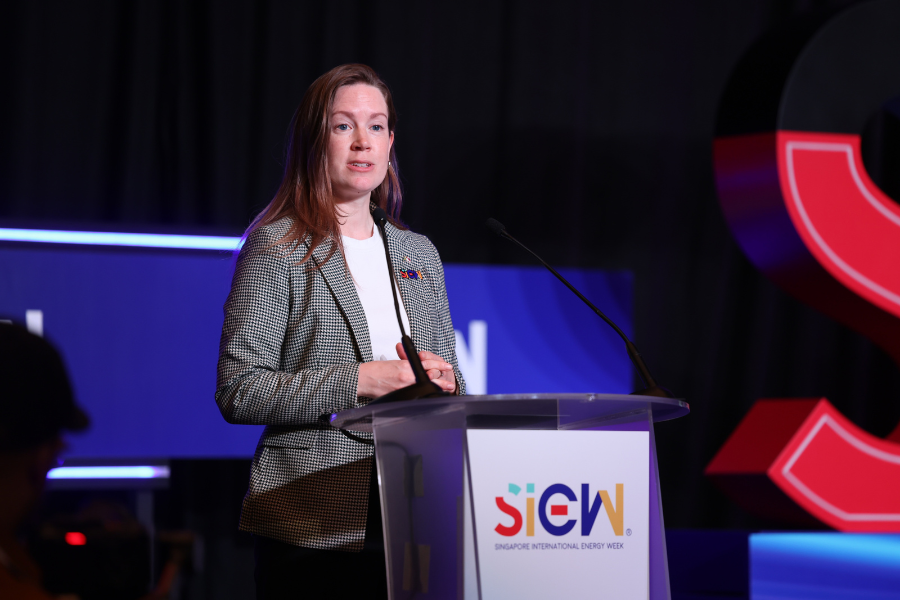
Sweden brings energy expertise, while Singapore offers strong regional connections. Together, these strengths could open new opportunities for collaboration as Southeast Asia works towards a more secure and sustainable energy future.
The potential for such collaboration was highlighted during the opening of the Spotlight Sweden Forum. The welcome remarks were delivered by Puah Kok Keong, Chief Executive of the Energy Market Authority (EMA), and Anders Fredrik Sjöberg, Swedish Ambassador to Singapore.
Helena Bernland, Senior Business Developer for International Markets at the Swedish Energy Agency, presented the keynote, Spotlighting Sweden's Energy Sector.
Find out how Singapore and Sweden are deepening energy cooperation
SIEW Thinktank Roundtable C: Financing, Integration and Partnerships Key toScaling Low-Carbon Technologies
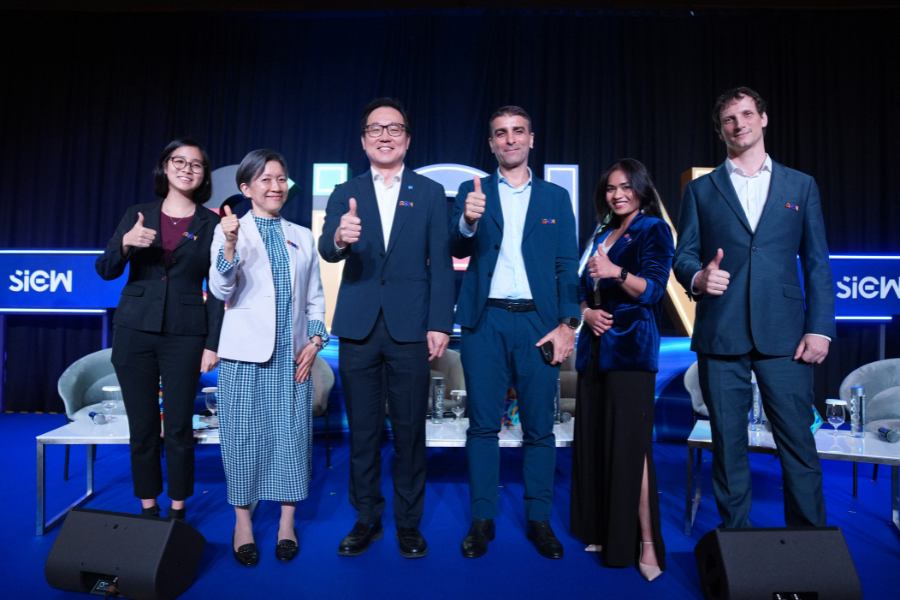
At SIEW Thinktank Roundtable C, the session ‘From Potential to Scale – What Enables Deployment of Low-Carbon Technologies’ brought together experts from finance, research and industry to examine how emerging solutions such as geothermal energy and biomethane can achieve commercial scale. Moderated by Straits Times Correspondent Ang Qing, the discussion highlighted four key takeaways:
- Making emerging technologies bankable requires effective risk-sharing: Megumi Muto, Deputy Chief Sustainability Officer, Mizuho Financial Group, highlighted how blended finance, government support and risk-sharing mechanisms can attract commercial investment. Citing Indonesia's Muara Laboh geothermal project, she explained how concessional financing, development finance institutions and loan insurance helped support successive phases of development. ERI@N Cluster Director Prof Alessandro Romagnoli added that technological uncertainties must be translated into manageable risks, supported by patient capital and real-world demonstrations.
- Commercial deployment depends on integration with existing energy systems: Tan Wooi Leong, Senior Executive Director (Energy), Surbana Jurong Group, emphasised that technical feasibility alone does not guarantee commercial success. New technologies must be integrated into existing infrastructure without compromising reliability or affordability. He highlighted Singapore's regulatory sandboxes as a means of testing solutions under real-world conditions. Prof Romagnoli added that different low-carbon technologies need not compete but could complement one another through integrated energy systems.
- Closer research-industry collaboration can accelerate deployment: Sheena Thomas, Head of Commercial and Business Partnerships, Earth Sciences New Zealand, stressed the importance of sharing research findings, lessons and risks across the ecosystem. She cited New Zealand's exploratory supercritical geothermal drilling programme, which brings together government, researchers, landowners and industry partners to assess the technology's potential.
- Scaling requires practical pathways and supportive regulations: Stephane Vernede, Chief Executive Officer, Enwise, China, shared how customer-led development and incremental scaling have helped advance the company's waste-to-biogas technology. By addressing specific customer needs and expanding deployment in stages, developers can demonstrate commercial viability before pursuing larger projects.
Stay tuned as the conversation evolves throughout the day. Follow @SIEW_sg on Telegram and X (formerly Twitter) for key insights and the latest updates.
SIEW Thinktank Roundtable C: Turning Low-Carbon Energy Innovation into Practical Solutions
By Sylvia Ho
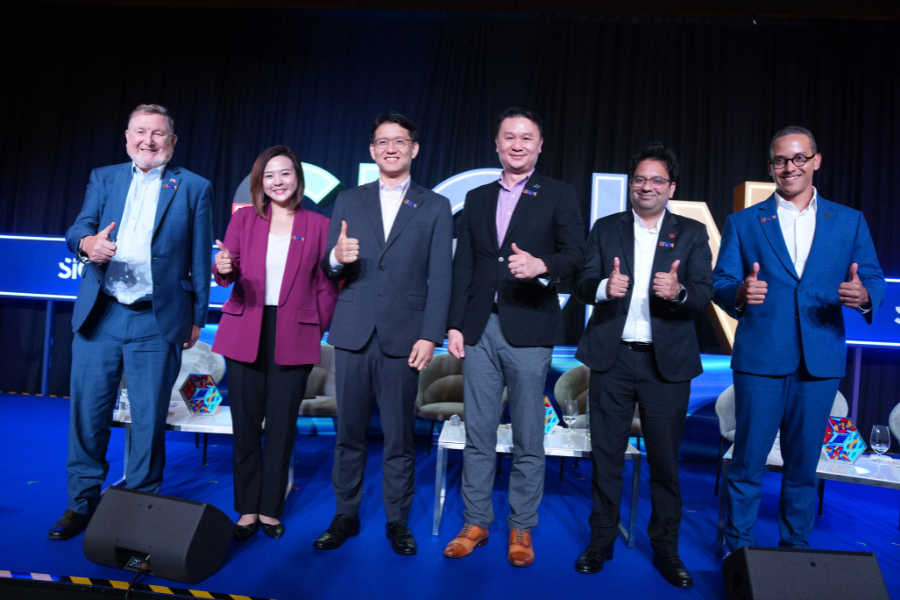
Emerging low-carbon technologies could help Asia diversify its energy supply, strengthen grid resilience and reduce emissions. However, bringing these solutions into wider use will depend on their commercial viability, compatibility with existing infrastructure and supportive policy frameworks.
At the SIEW Thinktank Roundtable Session 1 co-hosted by ERI@N, ‘Emerging Low-Carbon Technologies and Where They Can Be Applied’, Prof Ric Parker, Chairman of the Technical Committee, Advanced Energy & Decarbonisation Office (AEDO), moderated a discussion on the opportunities and challenges of deploying emerging technologies across Asia's energy systems.
Catch the highlights from SIEW Thinktank Roundtable C Session 1
SIEW Thinktank Roundtable C: Advancing Emerging Low-Carbon Technologies towards Deployment
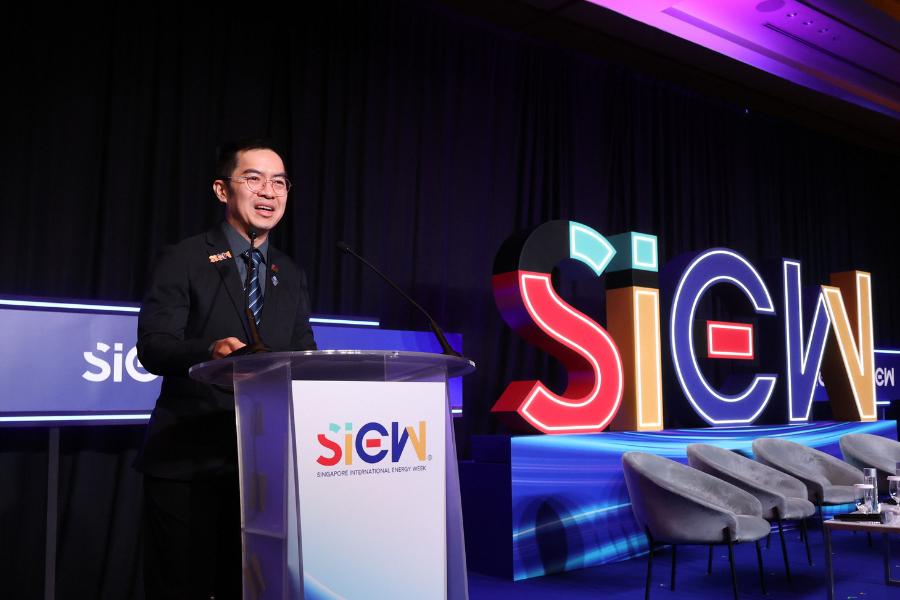
Promising low-carbon technologies could play a greater role in Asia's energy future. But realising their potential requires more than technological innovation.
SIEW Thinktank Roundtable C, on Advancing Emerging Energy Technologies for Asia's Low-Carbon Future, opened with remarks on how emerging technologies could be brought into wider use. The opening speakers were Puah Kok Keong, Chief Executive of the Energy Market Authority (EMA), and Professor Madhavi Srinivasan, Executive Director, Energy Research Institute @ NTU (ERI@N).
SIEW Thinktank Roundtable B: Balancing Energy Security, Gas Supply Flexibility and Investment Risks
By Derek Chua
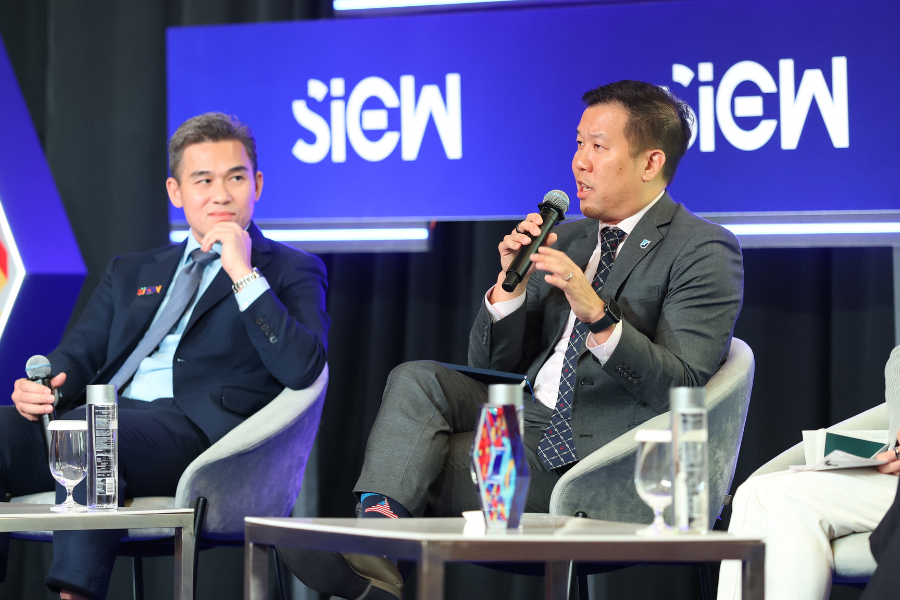
As Asia expands renewable energy capacity, natural gas continues to support power system reliability. Yet recent supply disruptions have exposed the risks of import dependence, raising questions about how countries can secure gas supplies while adapting to a changing electricity mix.
At SIEW Thinktank Roundtable B Session 2, industry leaders and energy experts examined how diversified supply, flexible infrastructure and coordinated investment can strengthen energy security without constraining longer-term energy transition pathways.
SIEW Thinktank Roundtable B: Strategies to Securing Gas Supply
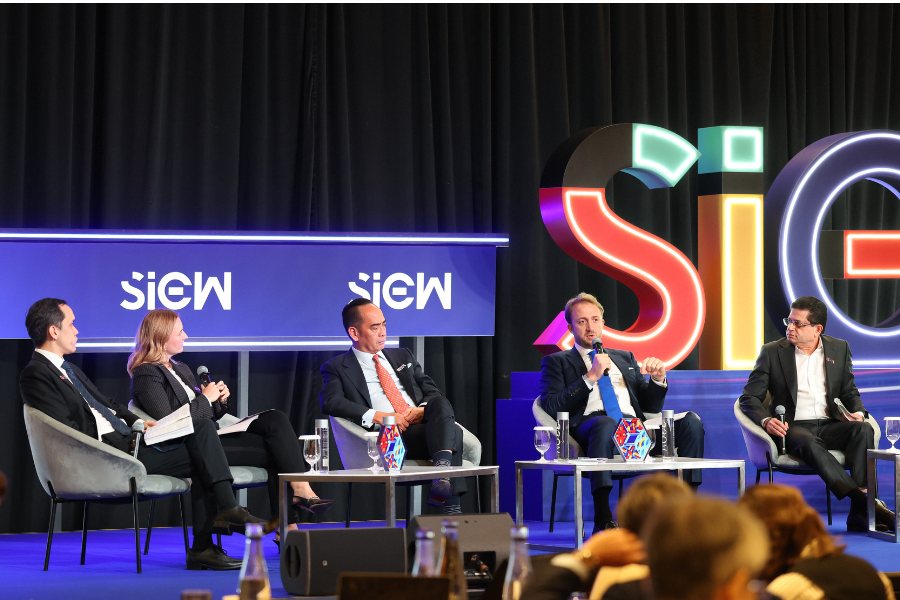
As Asia navigates growing energy demand and decarbonisation priorities, how does the region ensure supply resilience while managing costs and supporting cleaner energy systems?
SIEW Thinktank Roundtable B, Session 1: Securing Gas Supply for Asia’s Energy Transition, gathered industry leaders to explore strategies that can address this priority. Moderated by Lee Beck, Non-Resident Senior Fellow, Global Energy Center, Atlantic Council and Chief Global Policy Officer, HIF Global, key takeaways of the session include:
- Gas complements renewables in ensuring reliable power: Emmanuel V. Rubio, President and CEO, Meralco PowerGen Corporation (MGEN), outlined how gas-fired generation can complement solar and battery storage, particularly in meeting evening electricity demand. He stressed the importance of coordinated efforts to minimise costs for consumers.
- Diversification and flexibility strengthen supply security: Ratnesh Bedi, President, Pacific Energy Corporation, shared the importance of diversifying supply jurisdictions, pricing indices and shipping routes. He also encouraged buyers to consider equity investments in liquefied natural gas (LNG) projects and stress-test their portfolios against potential disruptions.
- Long-term partnerships help balance resilience and affordability: Vincent Lam, Gas & LNG Commercial Head, Gas & Related Services, Sembcorp Industries, emphasised that diversified supply sources, long-term contracts and closer partnerships across the LNG value chain can improve price stability and flexibility. Sharing contractual flexibility between buyers and sellers could also help manage costs.
- Integrated infrastructure can accelerate energy delivery: Erol Saban, Executive Committee Member, Karpowership, highlighted how integrated floating power generation, LNG infrastructure and fuel supply solutions can shorten deployment timelines. He also underscored the importance of coordinated long-term planning across power infrastructure, fuel infrastructure and supply.
Stay tuned as the conversation evolves throughout the day. Follow @SIEW_sg on Telegram and X (formerly Twitter) for key insights and the latest updates.
SIEW Thinktank Roundtable B: Building Resilient Gas Markets for Asia's Changing Energy Needs
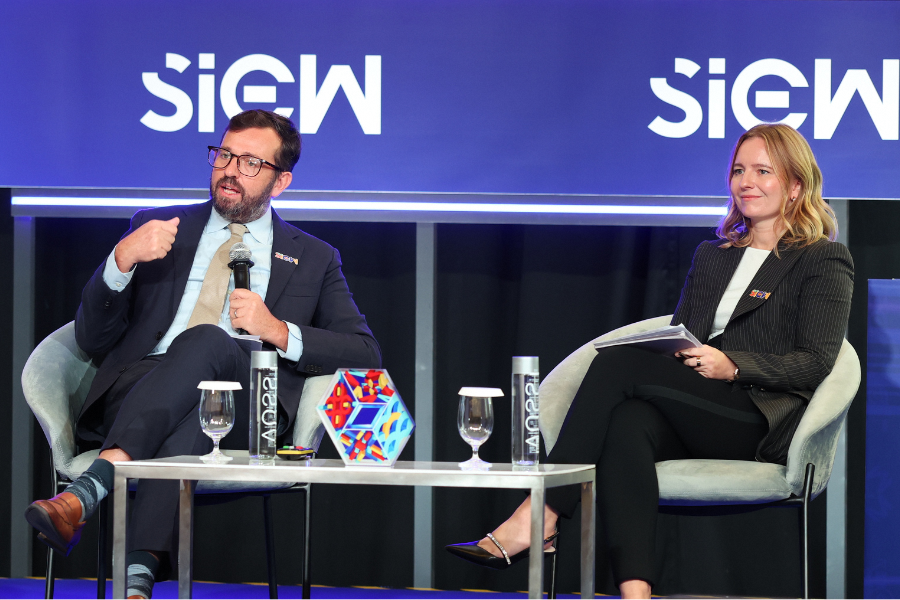
Supply disruptions, rising electricity demand and the energy transition are reshaping the role of gas in Asia's energy systems. Setting the scene for the SIEW Thinktank Roundtable on Gas, Security, and Transition in an Evolving Energy Landscape, Phillip Cornell, Senior Fellow, Atlantic Council Global Energy Center and Managing Director, ASIO Energy, highlighted how the events of 2026 have exposed vulnerabilities in global gas markets.
He highlighted that while Asia's electricity demand is expected to grow strongly through 2030, gas demand may not rise at the same pace as renewable energy deployment expands. This raises questions about the future role of gas-fired generation, particularly as a source of flexibility and backup power.
Given the long lifespans and high capital costs of gas infrastructure, he emphasised the importance of planning across multiple demand and price scenarios to ensure investments remain economically viable as power systems evolve.
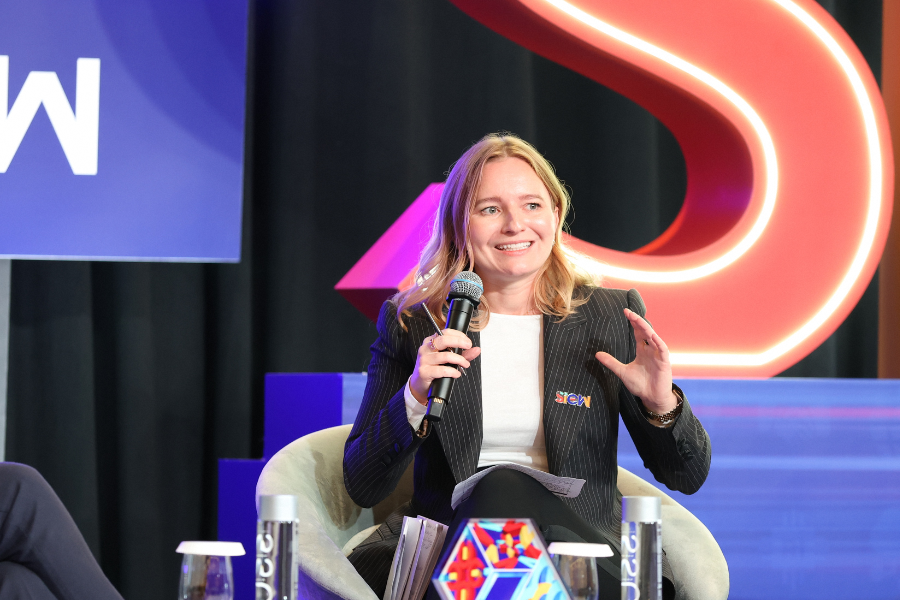
Lee Beck, Senior Fellow, Atlantic Council Global Energy Center, highlighted Southeast Asia's growing dependence on imported gas as domestic production declines. She emphasised the need for greater supply diversification, flexible infrastructure and contracting arrangements to strengthen resilience, while recognising the additional costs involved.
Ms Beck also pointed to opportunities to reduce emissions through methane mitigation and carbon management.
SIEW Thinktank Roundtable B: Securing Gas Supply Is Only Part of Asia's Energy Challenge
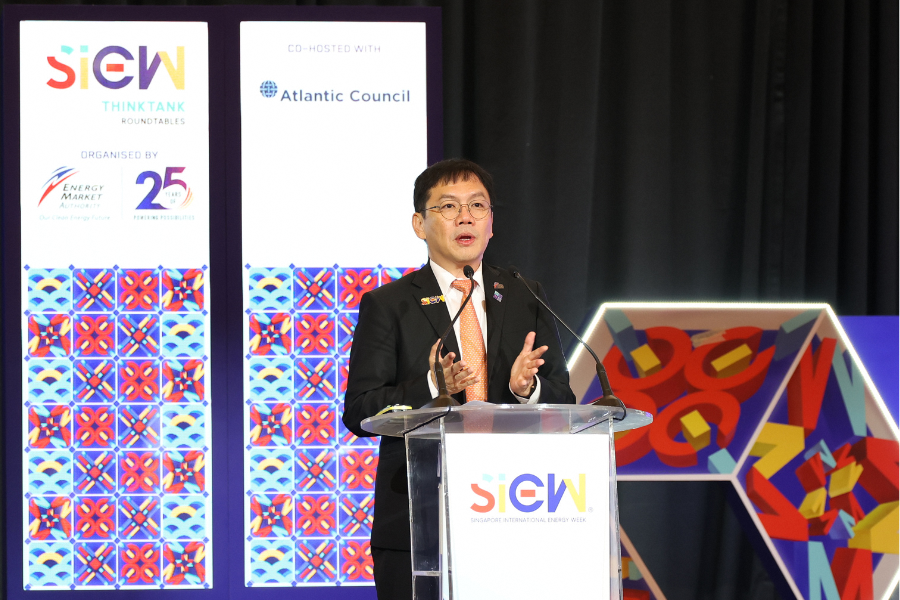
As Asia's electricity needs evolve, securing gas supplies is only one part of maintaining reliable and affordable power. How countries plan for changing energy needs will be just as important.
This central message emerged from the welcome remarks by Jonathan Goh, Director, External Relations, Energy Market Authority (EMA) of Singapore, and the keynote by H.E. Felix William B. Fuentebella, Undersecretary of Energy, Republic of the Philippines. Both addresses were delivered at the SIEW Thinktank Roundtable B on Gas, Security, and Transition in an Evolving Energy Landscape.
Explore more in the opening addresses at SIEW Thinktank Roundtable B
SIEW Thinktank Roundtable A: Establishing the Market Frameworks for Regional Power Trade
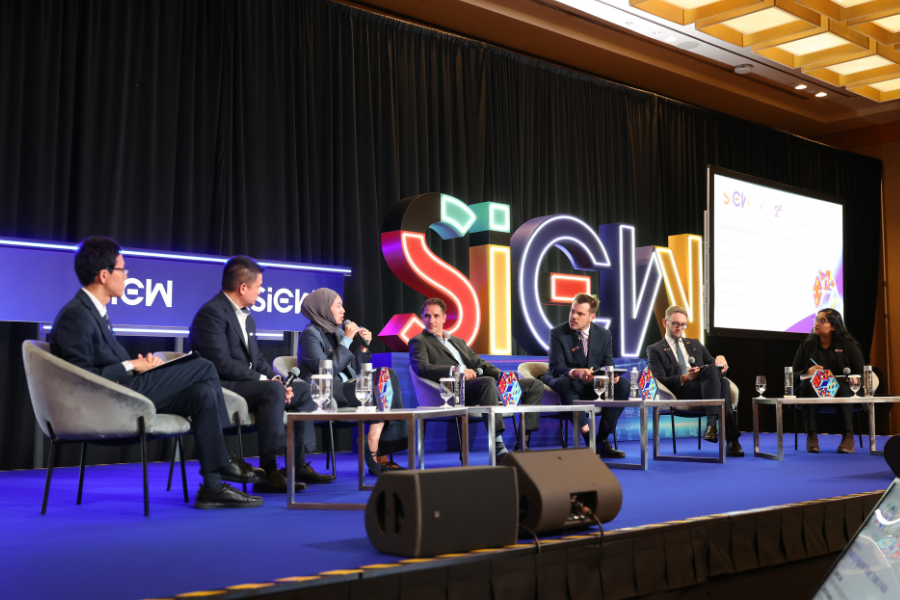
SIEW Thinktank Roundtable A featured a panel discussion that brought together policymakers, regulators and industry representatives to examine the practical conditions needed to strengthen regional energy integration. The session was moderated by Straits Times Journalist Shabana Begum. Key takeaways included:
- Turning ASEAN Power Grid commitments into action: Beni Suryadi, Senior Manager of APAEC, ASEAN Centre for Energy, highlighted ongoing work to translate regional agreements into actionable frameworks. Under Singapore's 2027 ASEAN Chairmanship, anticipated deliverables include frameworks for subsea cables, regional Renewable Energy Certificates (RECs), wheeling charges and projects of common interest. He also emphasised expanding electricity trade through existing infrastructure while progressing more complex interconnection projects.
- Making cross-border renewable energy claims credible: Roble P. Velasco-Rosenheim, Regional Director, Global Partnerships and APAC, The International Tracking Standard Foundation, stressed the importance of aligning regional REC mechanisms with international reporting requirements while respecting national regulatory priorities.
- Strengthening corporate demand for renewable electricity: Soon Sze Meng, CEO, GoNetZero, noted that corporate climate commitments continue to drive demand for RECs and renewable power purchase agreements. Buyers increasingly prioritise certificate origin, generation date and hourly generation data, with some willing to pay a premium for greater traceability and verification.
- Providing investment certainty through regulation: Chris Stark, Head of UK's Mission for Clean Power, Department for Energy Security and Net Zero, highlighted the UK's experience in regional system planning, including plans to expand electricity interconnection capacity from approximately 10 to 18 gigawatts. He emphasised clear long-term objectives, stable regulatory frameworks and mechanisms such as contracts for difference and cap-and-floor arrangements to strengthen investor confidence.
- Balancing infrastructure investment with consumer interests: David Stanford, Executive Director of Technical and International, Australian Energy Regulator, drew on Australia's interconnected electricity market to highlight the resilience benefits of regional integration. He emphasised transparent allocation of project costs, risks and benefits, alongside community engagement, as essential to securing support for major transmission infrastructure.
- Using regional trade to improve grid flexibility: Soichi Morimoto, Senior Researcher, The Institute of Energy Economics, Japan (IEEJ), shared modelling showing how expanded electricity trade could support renewable energy integration.
The discussion underscored that realising the APG's potential will depend on coordinating infrastructure development with credible market mechanisms, regulatory cooperation and investment frameworks.
Stay tuned as the conversation evolves throughout the day. Follow @SIEW_sg on Telegram and X (formerly Twitter) for key insights and the latest updates.
SIEW Thinktank Roundtable A: How a Stronger ASEAN Power Grid can Reduce Energy System Costs
By Jin Wang
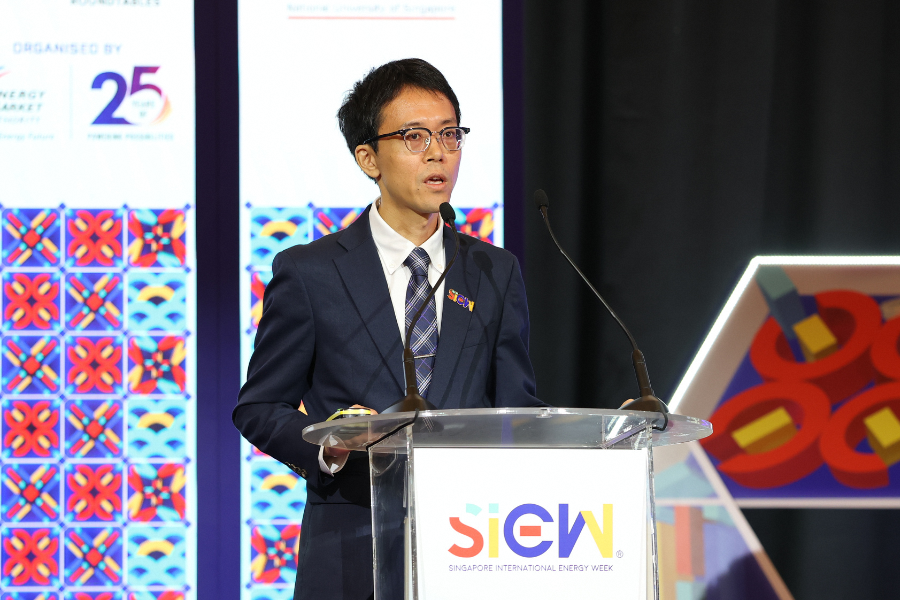
Expanding the ASEAN Power Grid (APG) could increase renewable energy adoption while reducing overall energy system costs across Southeast Asia.
At SIEW Thinktank Roundtable A, Soichi Morimoto, Senior Researcher at The Institute of Energy Economics, Japan (IEEJ), presented modelling findings showing how stronger regional electricity interconnections could improve energy self-sufficiency, optimise renewable resource allocation and create economic opportunities for electricity-exporting countries.
- Regional interconnectivity could unlock ASEAN's renewable energy potential: Mr Morimoto highlighted the uneven distribution of renewable resources across Southeast Asia. Offshore wind potential is concentrated in the Philippines, Vietnam and eastern Indonesia, while Myanmar accounts for more than half of the region's hydropower potential. Stronger cross-border connections could help ASEAN countries make better use of these resources.
- APG expansion could increase renewable energy's share of electricity generation: IEEJ's modelling compared scenarios with different levels of regional transmission capacity, finding that greater interconnectivity could support increased renewable electricity generation by 2050. Offshore wind in Vietnam and hydropower in Myanmar and Lao PDR were identified as key contributors to this increase.
- Stronger interconnections could lower overall energy system costs: IEEJ's modelling suggests that additional investment in regional grid infrastructure, renewables and electrification could be more than offset by savings in fuel, battery storage and fossil fuel-related assets. Mr Morimoto also highlighted the potential for electricity-exporting countries to offset higher domestic system costs through cross-border electricity trade.
The findings suggest that deeper regional grid integration could help ASEAN achieve both greater renewable energy adoption and lower overall system costs, while creating economic opportunities for countries with abundant renewable resources.
Stay tuned as the conversation evolves throughout the day. Follow @SIEW_sg on Telegram and X (formerly Twitter) for key insights and the latest updates.
SIEW Thinktank Roundtable A: Advancing the ASEAN Power Grid
By Derek Chua
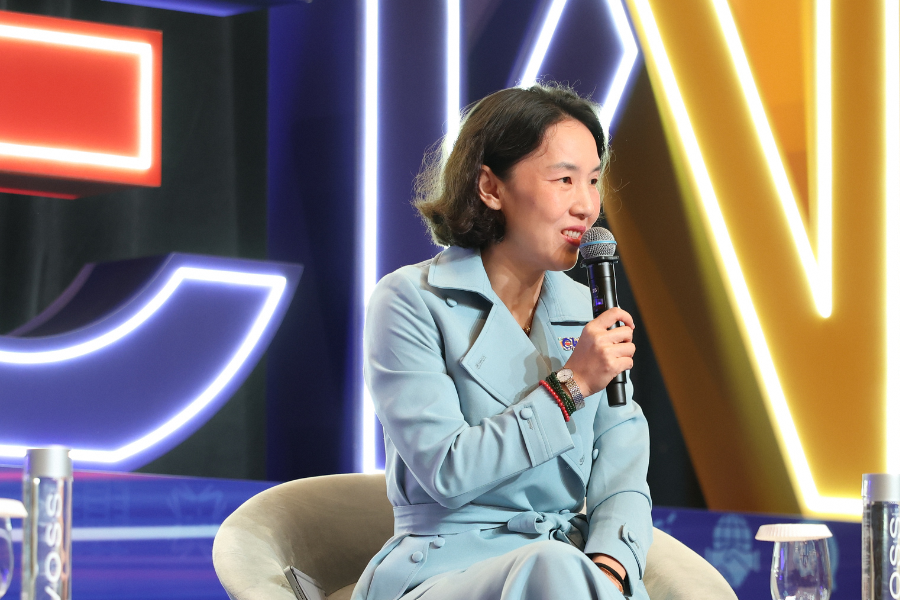
The ASEAN Power Grid (APG) has the potential to strengthen energy security, support decarbonisation and deliver wider economic benefits across Southeast Asia. However, translating regional ambitions into functioning interconnections will require clearer cost-sharing arrangements, regulatory certainty and coordinated project planning.
At SIEW Thinktank Roundtable A, policymakers and industry leaders examined the practical steps needed to advance cross-border electricity trade. The discussion was moderated by Dr Roger Fouquet, Principal Research Fellow, Energy Studies Institute, National University of Singapore.
Explore the key considerations for advancing the ASEAN Power Grid
SIEW Thinktank Roundtable A: Rethinking Energy Trade for Asia’s Low-Carbon Energy Future
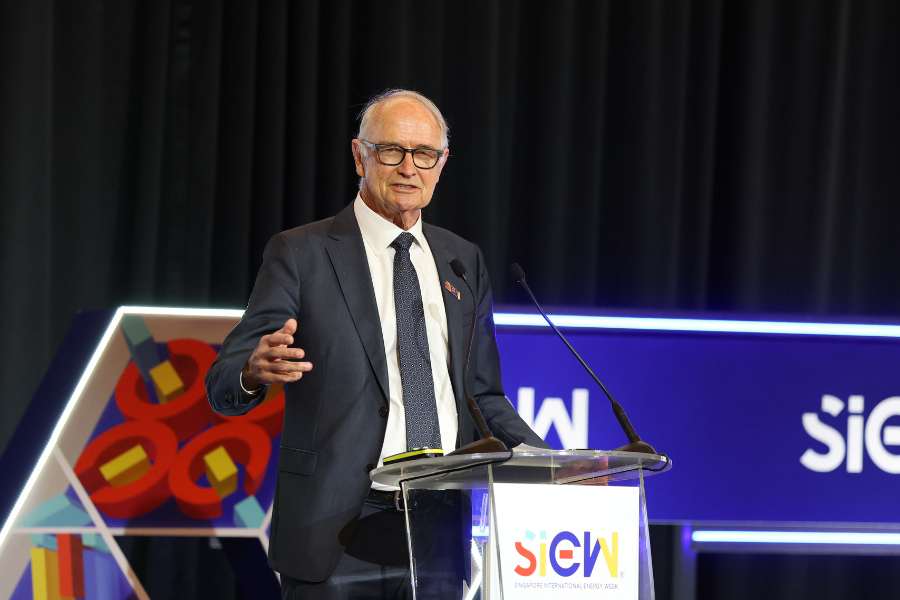
In his keynote at SIEW Thinktank Roundtable A, Professor Ross Garnaut AC, Emeritus Professor of Economics, University of Melbourne and The Australian National University, outlined how the transition to renewable energy will fundamentally reshape international energy trade, creating new opportunities for regional grid connectivity and cooperation.
A new model for international energy trade
Prof Garnaut explained how international trade in fossil fuels enabled resource-constrained economies in Northeast Asia and Europe to develop into major industrial centres. As countries move towards net zero, however, the economics of energy trade will change.
Unlike oil, coal and natural gas, electricity and zero-carbon hydrogen are relatively expensive to transport over long distances. As a result, Prof Garnaut expects a greater share of future energy trade to be embedded in manufactured goods, with energy-intensive production increasingly taking place where renewable resources are abundant.
Nevertheless, cross-border electricity trade will remain important for two reasons: diversifying energy supply and meeting demand in economies with limited domestic renewable resources.
Connecting electricity networks across different geographies can help balance variations in solar and wind generation, while allowing energy-constrained economies such as Singapore to access renewable electricity from neighbouring countries.
Connecting Asia’s renewable energy resources
Turning to regional grid developments, Prof Garnaut cited the Lao PDR–Thailand–Malaysia–Singapore (LTMS) electricity trading arrangement as an important backbone for regional interconnectivity.
He also highlighted the potential of submarine high-voltage direct current (HVDC) transmission infrastructure to connect the island economies of Southeast Asia. Indonesia and the Philippines possess substantial renewable energy resources, but these are distributed across different islands. Developing domestic transmission networks would therefore help both countries connect renewable energy generation with centres of demand.
Prof Garnaut explained that these networks could eventually support broader regional electricity trade. In particular, connecting Indonesia's island grids with Australia and mainland Southeast Asia could create new pathways for electricity trade between Australia's renewable energy resources and Asian markets.
He emphasised that developing this infrastructure requires stronger cooperation both within ASEAN and with regional partners, including Australia, Japan, South Korea and China.
Stay tuned as the conversation evolves throughout the day. Follow @SIEW_sg on Telegram and X (formerly Twitter) for key insights and the latest updates.
SIEW Thinktank Roundtable A: Strengthening Regional Connectivity and Electricity Trade
Strengthening regional power connectivity will require more than physical infrastructure. Market frameworks, investment certainty and regulatory cooperation will be equally important to advancing the ASEAN Power Grid (APG). Speakers at SIEW Thinktank Roundtable A outlined the priorities for accelerating regional electricity trade and strengthening energy security.
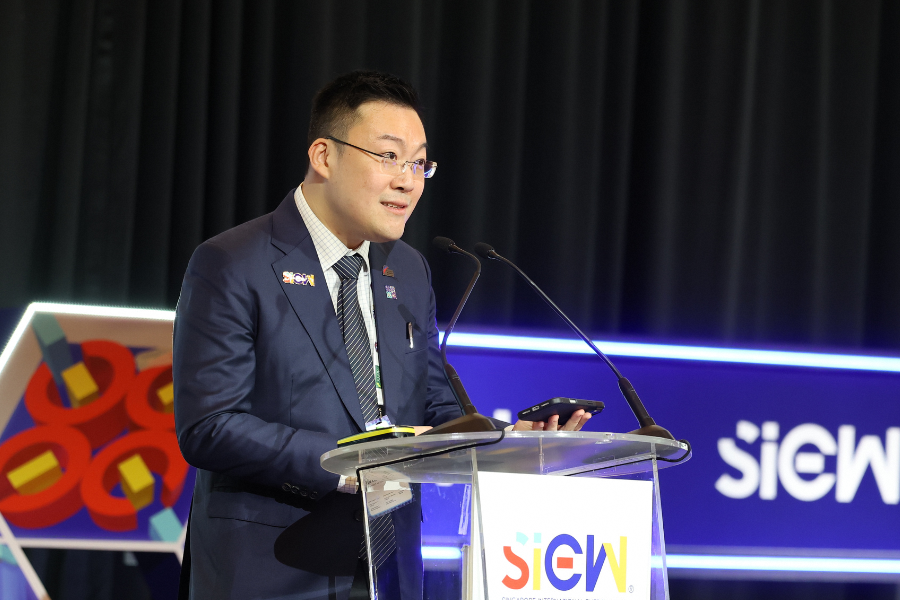
At the opening, Chua Shun Loong, Assistant Chief Executive (Energy Policy), Energy Market Authority (EMA) of Singapore, emphasised the need to advance physical interconnections alongside market mechanisms that give investors and electricity buyers greater confidence.
On infrastructure, he highlighted Singapore's recent conditional approval to import up to 1.3 gigawatts of low-carbon electricity from and through Peninsular Malaysia, alongside earlier conditional approvals for a further 900 megawatts of electricity imports from Johor. These projects demonstrate how regional partnerships can unlock renewable energy resources and investment opportunities.
Beyond infrastructure, Mr Chua pointed to the importance of credible cross-border renewable energy certificates (RECs) in facilitating regional electricity trade.
Peter Govindasamy, Executive Director, Energy Studies Institute, National University of Singapore (NUS); Adjust Professor, Faculty of Science, NUS; Director General, Ministry of Energy, Trade, and Industry, Singapore, shared that energy security increasingly depends on diversification, connectivity and cross-border cooperation rather than self-sufficiency.
H.E. Felix William B. Fuentebella, Undersecretary of Energy, Republic of the Philippines, emphasised that the success of the APG should be measured by improvements in electricity access, affordability, reliability, resilience and decarbonisation. He outlined the Philippines' priorities of securing a viable cross-border power interconnections.
Stay tuned as the conversation evolves throughout the day. Follow @SIEW_sg on Telegram and X (formerly Twitter) for key insights and the latest updates.
SIEW 2026 Day 4: Next Steps in Decarbonising Asia
Regional power markets, energy security and low-carbon technologies take centre stage on Day 4 of the Singapore International Energy Week (SIEW) 2026.
The Spotlight Sweden Forum: Energy Technologies for ASEAN’s Energy Future will examine opportunities for Sweden-Singapore collaboration, with discussions on nuclear energy partnerships and resilient power grids. Puah Kok Keong, Chief Executive, Energy Market Authority (EMA) of Singapore, and H.E. Anders Fredrik Sjöberg, Ambassador Extraordinary and Plenipotentiary, Embassy of Sweden, will deliver the Welcome Remarks. This will be followed by in-depth keynote sessions spotlighting Sweden’s energy sector and the Singapore-Sweden partnership.
This morning’s SIEW Thinktank Roundtable A, co-hosted with the Energy Studies Institute, will explore how connected grids and regional energy markets can support Asia’s decarbonisation.
In the afternoon, SIEW Thinktank Roundtable B co-hosted with the Atlantic Council will examine gas supply security and the role of natural gas in changing power systems. The SIEW Thinktank Roundtable C co-hosted with ERI@N will focus on emerging low-carbon technologies, including geothermal and biomethane, and the conditions needed to support wider commercial deployment.
Stay tuned as the conversation evolves throughout the day. Follow @SIEW_sg on Telegram and X (formerly Twitter) for key insights and the latest updates.
SIEW Live 2026
SIEW Live: Dr Tan See Leng, Minister for Energy, Trade and Industry (Energy and Industry), Singapore
SIEW Live: Gan Siow Huang, Minister of State, Ministry of Foreign Affairs & METI, Singapore
SIEW Live: YAB Datuk Amar Haji Fadillah bin Haji Yusof, Deputy Prime Minister, Malaysia
SIEW Live: Tan Ching Yee, Chairman, Energy Market Authority
Media Releases
27 October 2026
NEA COMMISSIONS STUDIES TO STRENGTHEN CAPABILITIES IN NUCLEAR SAFETY, REGULATION AND ENVIRONMENTAL PROTECTION
27 October 2026
EMA Appoints Panel of Consultants to Strengthen Nuclear Capability Building Efforts
Events at A Glance
SIEW 2026 Sponsors